
10 European Banks Euro Stablecoin Project Under Dutch Central Bank Targeting MiCA Approval 2026
Imagine a world where Europe’s biggest banks band together to challenge the dollar’s stranglehold on digital money. That’s exactly what’s brewing right now with Qivalis, a fresh venture from ten powerhouse European banks aiming to roll out a euro-backed stablecoin by mid-2026. This isn’t just another crypto experiment; it’s a bold step toward European monetary sovereignty in the blockchain era, perfectly timed with the EU’s MiCA rules coming into full swing.


These banks aren’t playing small. They’re pooling resources under a new Amsterdam-based company supervised by the Dutch Central Bank, targeting an Electronic Money Institution license that could greenlight operations in just six to nine months. The goal? Deliver near-instant, low-cost payments that run 24/7, from cross-border transfers to programmable smart contracts for supply chains and even crypto settlements. For fans of non-USD stablecoins EUR, this screams diversification opportunity.
Meet the Heavyweights Behind Qivalis
10 Banks Backing Qivalis Stablecoin
-

ING: Dutch giant headquartered in Amsterdam, driving digital innovation in payments.
-

UniCredit: Italian powerhouse with a strong pan-European presence across 13 markets.
-
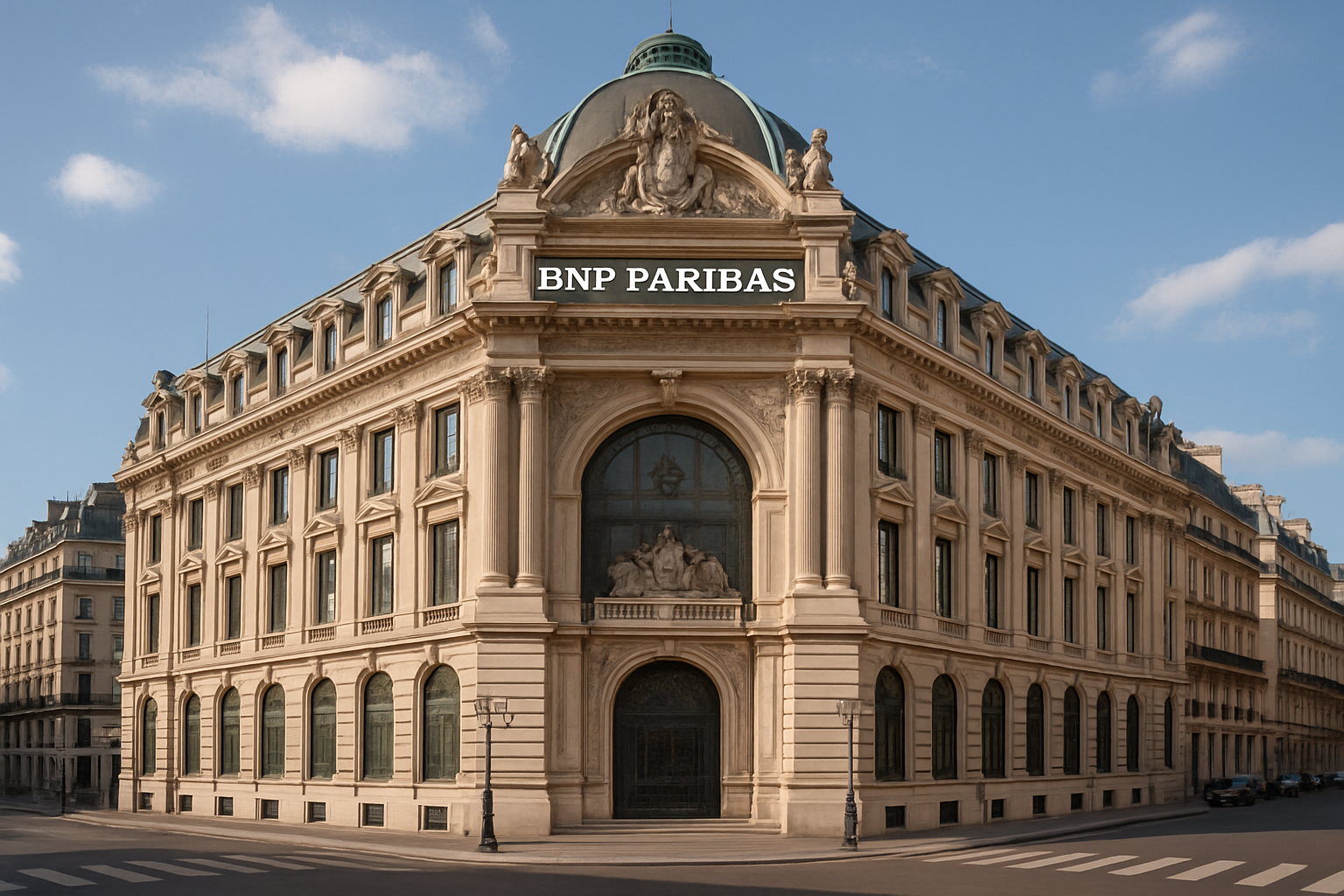
BNP Paribas: France’s largest bank by assets, recently joined to boost the consortium.
-
Raiffeisen Bank International: Austrian leader focused on Central and Eastern Europe.
-

SEB: Swedish bank serving Nordic and Baltic regions with corporate expertise.
-
Danske Bank: Denmark’s biggest bank, emphasizing sustainable finance.
-

CaixaBank: Spain’s third-largest bank, known for retail and digital banking.
-
KBC: Belgian group with integrated bank-insurance services across Europe.
-
Banca Sella: Italian family-owned bank pioneering fintech solutions.
-
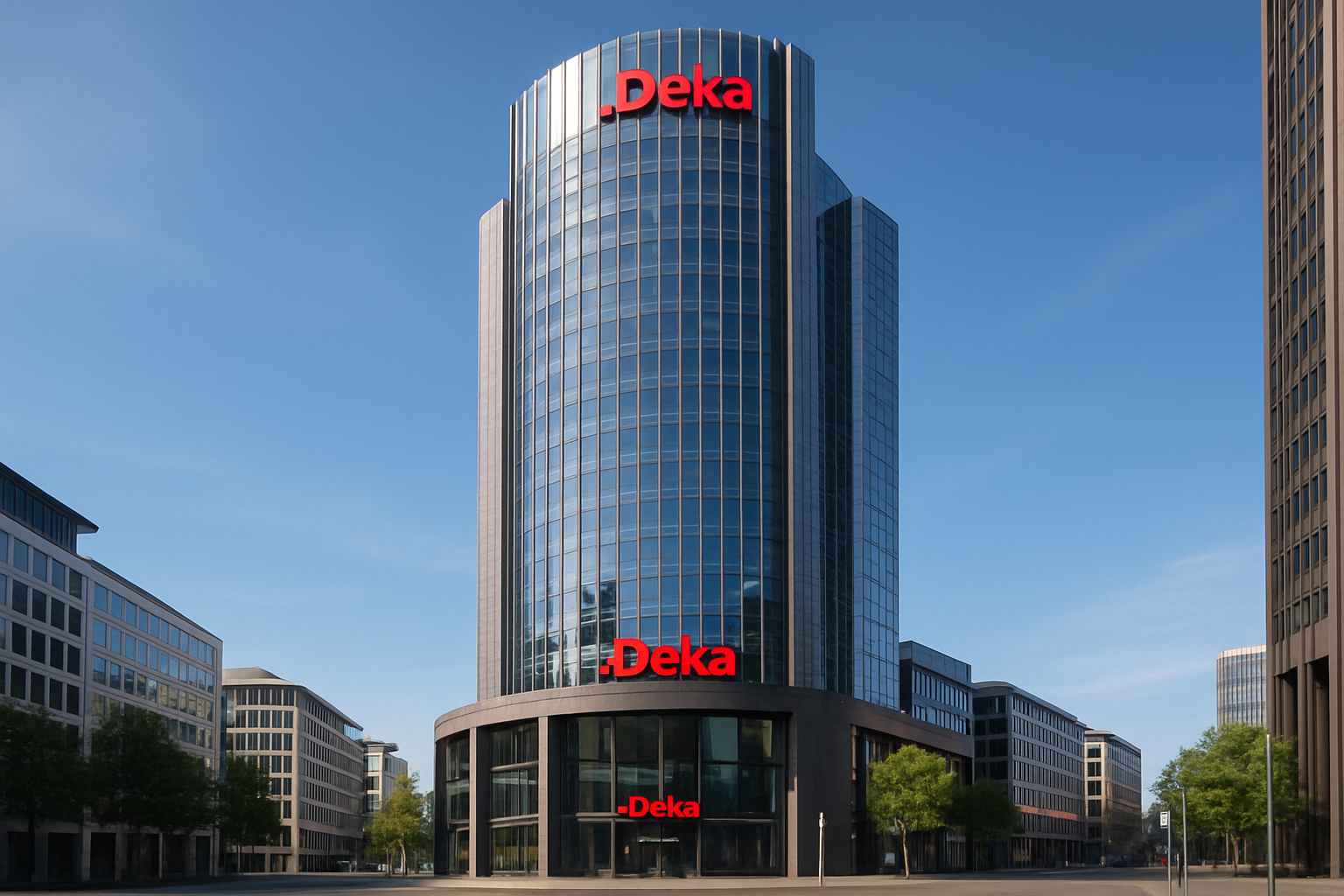
DekaBank: Germany’s central asset manager for cooperative banks.
Picture this lineup: ING from the Netherlands, UniCredit out of Italy, France’s BNP Paribas, Austria’s Raiffeisen Bank International, Sweden’s SEB, Denmark’s Danske Bank, Spain’s CaixaBank, Belgium’s KBC, Italy’s Banca Sella, and Germany’s DekaBank. BNP Paribas jumped in recently, rounding out the dream team after initial plans from nine banks surfaced in September. It’s like the Avengers of European finance assembling against USDT and USDC dominance.
Leading the charge is CEO Jan-Oliver Sell, who cut his teeth at Coinbase Germany, bringing that crypto-native edge. ING’s Floris Lugt steps up as CFO, while Howard Davies, former NatWest chair, takes the helm as chairperson. Based in Amsterdam, Qivalis is open to more banks joining, signaling this could grow into a pan-European powerhouse. Check out the full scoop on how nine major European banks are joining forces for this 2026 launch.
MiCA Compliance and Dutch Central Bank Oversight: The Regulatory Edge
Europe’s not messing around with regulation. This euro stablecoin is built from the ground up to comply with MiCA, the EU’s Markets in Crypto-Assets framework that demands full reserves, transparency, and consumer protections. No more Wild West for stablecoins here. The Dutch Central Bank will oversee Qivalis as an e-money institution, a smart choice given the Netherlands’ progressive stance on fintech.
Expect the stablecoin to hit the market in the second half of 2026, pending that license approval. This timeline aligns perfectly with MiCA’s stablecoin rules, positioning Qivalis ahead of less-regulated rivals. It’s a masterclass in how euro stablecoin banks are leveraging regulatory clarity to build trust. Dive deeper into the details with this breakdown on 10 EU banks, euro stablecoin 2026, MiCA rules, and Dutch Central Bank oversight.
Why Euro Stablecoins Could Reshape Global Payments
Let’s get real: USD stablecoins like Tether and Circle have cornered the market, but they’re vulnerable to US politics and sanctions. Enter the euro stablecoin, offering a neutral, euro-pegged alternative for traders and businesses tired of dollar exposure. Qivalis promises frictionless payments that settle instantly, slashing costs for cross-border trade within the EU and beyond.
Think about supply chain finance, where delays cost billions; programmable payments via smart contracts could automate everything from invoices to escrow. Or digital asset settlements blending TradFi with DeFi. This push mirrors a global trend, like those ten major banks (Bank of America, Deutsche Bank, and others) eyeing G7-pegged stablecoins. For European banks euro stablecoin enthusiasts, it’s a signal that non-USD options are maturing fast, reducing reliance on volatile fiat swings or offshore issuers.
In a post-Trump world with US crypto clarity boosting dollar stables, Europe’s response feels urgent and strategic. Qivalis isn’t just issuing tokens; it’s forging tools for a multipolar digital economy. As someone who’s tracked stablecoins for years, I see this as the tipping point where EUR finally claims its blockchain throne.
But let’s not sugarcoat it; launching a stablecoin isn’t a walk in the park. Qivalis faces stiff competition from established players like Stasis Euro (EURS) or Monerium’s EURe, which already offer euro-pegged options on blockchains. Still, bank backing gives this project unmatched credibility and liquidity potential right out of the gate.
These milestones show a deliberate pace, prioritizing compliance over hype. For investors eyeing MiCA euro stablecoin 2026 plays, Qivalis could integrate seamlessly into DeFi protocols, yield farming, or even tokenized real-world assets. Imagine locking up euros for stable yields without counterparty risks tied to opaque issuers.
What excites me most is the ripple effect on non-USD stablecoins EUR. Right now, USD stables dominate 95% of the market, but euro versions could capture intra-EU trade volumes, where the single currency already reigns. Businesses handling billions in cross-border payments stand to save millions in fees, and that’s before smart contract innovations kick in.
Challenges Ahead for Dutch Central Bank Stablecoin Oversight
Of course, hurdles loom. Securing that EMI license from the Dutch Central Bank stablecoin regulator demands rigorous audits, 1: 1 reserves in euro cash equivalents, and ironclad redemption processes. MiCA’s strictures mean monthly attestations and stress tests, weeding out fly-by-night operators. Tether’s recent EU retreat underscores how non-compliant giants might falter here.
Geopolitical tensions add spice too. With US banks like Bank of America and Goldman Sachs plotting G7 stablecoins, will euro liquidity match dollar depth? Qivalis counters by staying open to more members, potentially onboarding Nordic or Eastern European players. As a strategist focused on diversification, I’d bet on gradual adoption starting with bank treasuries and payment rails.
Investor Angle: Why Bet on European Banks Euro Stablecoin Now
For traders and enthusiasts, this is prime time to position. Watch for Qivalis partnerships with chains like Polygon or Stellar for low-fee issuances. Early liquidity pools could yield juicy APYs, especially as MiCA stamps trust on the token. Pair it with JPY or CNY stables for a true global basket, hedging USD volatility.
Read up on how MiCA-compliant euro stablecoins are shaping on-chain finance, and you’ll see why this isn’t hype. It’s infrastructure. Supply chains get smarter with automated payouts; remittances flow cheaper for migrant workers; even CBDC bridges become feasible.
Europe’s banks are rewriting the script, proving TradFi can innovate without losing its shirt. Qivalis embodies that shift, blending caution with ambition. If they nail the launch, expect euro stables to surge in adoption, tipping the scales toward a fairer digital dollar alternative. Keep an eye on Amsterdam; the future of payments might just peg there.