
Imagine a world where sending euros across borders feels as seamless as firing off a text message, all backed by the muscle of Europe's biggest banks. That's the promise of Qivalis, the euro-pegged stablecoin set to launch in the second half of 2026 by a powerhouse consortium of 10 EU banks. With ING, UniCredit, and BNP Paribas leading the charge, this MiCA-compliant project isn't just another crypto experiment; it's Europe's strategic riposte to the USD stablecoin stranglehold.
Headquartered in Amsterdam under the watchful eye of the Dutch Central Bank, Qivalis aims to deliver near-instant, low-cost payments and settlements. This consortium has already applied for an Electronic Money Institution license, ticking all the boxes for regulatory trust. As someone who's tracked stablecoins from their wild west days, I see this as a game-changer for diversification. Tired of Tether and USDC dominating? Here's your euro alternative, built by banks you already trust for your daily banking.
The 10-Bank Powerhouse Fueling Qivalis
What makes this initiative tick? It's the collective heft of 10 major players spanning the continent. These aren't fringe fintechs; they're household names driving trillions in assets. From the Netherlands to Italy, Spain to Germany, they've pooled resources to birth a stablecoin that prioritizes stability, compliance, and utility.
10 Banks Behind Qivalis
- ING (Netherlands): Leading Dutch bank in the consortium, driving MiCA-compliant euro stablecoin launch by H2 2026.
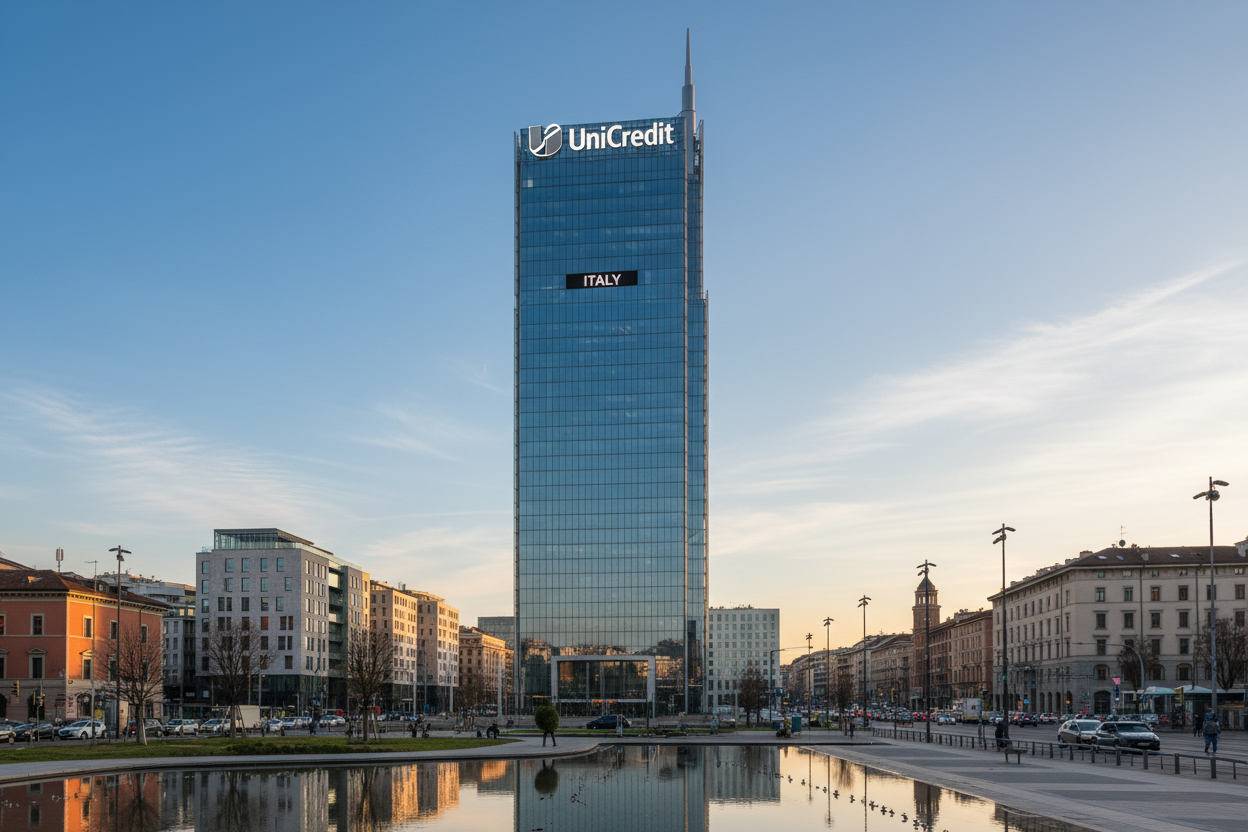
- UniCredit (Italy): Italian giant joining forces for Europe's euro-pegged digital currency alternative.
- BNP Paribas (France): Recently joined French powerhouse, boosting the Qivalis push against USD stablecoins.
- DekaBank (Germany): Key German player in the Amsterdam-based Qivalis entity seeking Dutch EMI license.
- KBC (Belgium): Belgian bank contributing to low-cost, instant cross-border payments via Qivalis.
- Danske Bank (Denmark): Danish member focused on MiCA-regulated euro stablecoin innovation.
- CaixaBank (Spain): Spanish leader in the 10-bank group aiming for digital payment autonomy.
- Banca Sella (Italy): Italian innovator part of the early consortium for Qivalis stablecoin.
- ABN AMRO (Netherlands): Another Dutch heavyweight supporting the euro stablecoin under DNB oversight.
- Commerzbank (Germany): German bank rounding out the team for Europe's stablecoin challenge.
Diving deeper, this lineup brings geographic diversity and complementary strengths. Northern Europe contributes payment prowess, while Southern banks add retail scale. It's a smart mosaic, ensuring broad adoption potential. And with BNP Paribas jumping in last December, the group solidified its pan-European credentials.
MiCA Mastery: Why Compliance is the Secret Sauce
Let's talk MiCA, the EU's Markets in Crypto-Assets Regulation that's reshaping the stablecoin landscape. Unlike unregulated wildcards, Qivalis will be fully compliant from day one, with 1: 1 euro reserves, transparent audits, and redemption rights. This isn't optional; it's the gold standard for trust in a post-FTX world. The Dutch Central Bank's oversight adds another layer, positioning Qivalis as the regulated euro stablecoin banks can integrate without regulatory headaches.
I love how these banks are flipping the script. While US firms scramble for clarity, Europe's crew is ahead, leveraging MiCA to build something bulletproof. Expect this to turbocharge on-chain finance, from DeFi yields to real-world remittances. For traders eyeing EU banks euro stablecoin 2026, this spells opportunity: lower volatility peg, native euro liquidity pools, and institutional inflows.
Spotlight on Trailblazers: ING, UniCredit, and BNP Paribas
No consortium shines without stars, and here ING steps up with its digital banking edge. The Dutch giant has long flirted with blockchain, from CBDC pilots to tokenised deposits. Pair that with UniCredit's Italian flair and cross-border expertise, and you've got seamless euro flows across the Alps. Then BNP Paribas, France's behemoth, brings global reach, having tested stablecoins in private markets.
These three aren't just participants; they're architects. ING's tech stack will likely power the rails, UniCredit the compliance framework, and BNP the institutional bridges. It's opinionated, but I reckon this trio could capture 20% of euro stablecoin market share within a year post-launch. For investors hunting ING UniCredit BNP euro stablecoin plays, watch their stock tickers and on-chain pilots closely. The synergy screams undervalued potential in a USD-saturated space.
As Qivalis inches toward EMI approval, whispers of partnerships with Progmat and others hint at expanded utility. This MiCA compliant euro stablecoin isn't launching into a vacuum; it's timed for Europe's digital euro hesitation, filling the gap with private-sector speed. Banks like DekaBank and KBC add cooperative muscle, ensuring grassroots buy-in from SMEs to corporates.
Take DekaBank and Commerzbank from Germany: their cooperative roots mean they'll push Qivalis into the heart of Mittelstand businesses, those mid-sized firms that power Europe's economy. KBC in Belgium and Danske Bank in Denmark bring Nordic efficiency, perfect for high-volume settlements. CaixaBank and Banca Sella from Spain and Italy respectively add retail firepower, while ABN AMRO's Dutch heritage aligns perfectly with the Amsterdam HQ. This isn't a loose alliance; it's a calculated network primed for scale.
Real-World Wins: Payments, DeFi, and Beyond
Picture this: a Spanish exporter settling with a German supplier in seconds, no SWIFT fees eating margins. Or an Italian freelancer paid instantly from France, dodging weekend delays. Qivalis targets exactly these pain points, offering euro pegged stablecoin banks can embed in apps today. Beyond remittances, expect DeFi integrations - think euro-denominated lending pools on Ethereum or Polygon, yielding steady returns without FX risk.
I've seen stablecoins transform remittances in Asia; now Europe gets its turn. For cross-border trade, which hits €4 trillion yearly, even 1% capture means billions in efficiency. Traders will love the liquidity: pair Qivalis with BTC or ETH for hedged euro exposure. And with MiCA's stamp, it's wallet-ready for the masses, from Revolut users to institutional custodians.
Qivalis vs. Major USD Stablecoins Comparison
| Feature | Qivalis (Euro-pegged) | Tether (USDT) | Circle (USDC) |
|---|---|---|---|
| Reserves | 1:1 euro fiat reserves (MiCA-compliant) | 1:1 USD fiat & equivalents (treasuries, commercial paper) | 1:1 USD cash & short-term US Treasuries |
| Regulation | MiCA-compliant (EU EMI license from Dutch Central Bank) | Unclear / Offshore (BVI-based, regulatory scrutiny) | Partially regulated (US money transmitter licenses) |
| Launch | H2 2026 (consortium of 10 EU banks) | Live (2014) | Live (2018) |
| Use Case Focus | EU cross-border payments & settlements | Global trading & DeFi | Global payments, DeFi & institutional |
The Dutch Central Bank oversight seals the deal. By housing Qivalis in Amsterdam, the consortium taps De Nederlandsche Bank's rigorous framework, mirroring how Circle eyes US licenses. This Dutch Central Bank stablecoin entity setup minimizes silos, letting reserves flow bank-to-bank seamlessly.
Roadblocks Ahead: What Could Trip Up the 2026 Launch?
No project this ambitious skips hurdles. Regulatory delays top the list - EMI approval isn't guaranteed, even with MiCA's green light. Competition looms too: Circle's EURC and Societe Generale's EURCV already nibble at euro stablecoin space. Plus, the ECB's digital euro whispers could overshadow private efforts if they accelerate.
Yet I'm bullish. These 10 banks control vast deposit bases; user acquisition is baked in. Scalability? Blockchain choice matters - expect layer-2s for cheap txns. And adoption hinges on partnerships, like ING's Progmat tie-ups for tokenised assets. If they nail interoperability with CBDCs, Qivalis becomes the private bridge to public money.
For diversification chasers, this screams buy-the-dip on euro stables. Current USD dominance (95% market share) leaves room; Qivalis could claim 5-10% euro volume fast, especially post-MiCA enforcement. Watch for pilots: UniCredit's on-chain bonds or BNP's wholesale tests foreshadow the playbook.
Your Playbook: Trading and Investing Angles
Keen on EU banks euro stablecoin 2026? Start with the banks' stocks - ING's blockchain bets have juiced returns before. Track on-chain metrics post-launch: reserve proofs, txn volume. For pure plays, scout Qivalis wrappers in DeFi once live. Risks? Peg breaks in stress tests, but 1: 1 backing by diversified banks mitigates that.
Women in FinTech like me cheer this too - stablecoins democratise finance, letting anyone tap euro liquidity without gatekeepers. As Qivalis ramps, it'll spur female-led startups building on it, from payment apps to yield farms.
Europe's banking giants are betting big on blockchain, and Qivalis feels like the tipping point. With these 10 powerhouses aligned, the euro stablecoin era dawns regulated and ready. Whether you're a trader hedging euros or a business slashing costs, 2026 brings tools to thrive in a multi-currency crypto world. Stay tuned; the rails are building.




No comments yet. Be the first to share your thoughts!