Picture this: ten powerhouse EU banks banding together to unleash a MiCA-compliant euro stablecoin by mid-2026, shaking up the dominance of USD-pegged giants. This isn't just news; it's a game-changer for traders eyeing non-USD stablecoins Europe 2026. Qivalis, the Netherlands-based brainchild of this consortium, promises instant settlements, programmable payments, and 24/7 cross-border flows, all under Dutch Central Bank supervision. For swing traders like me, who thrive on momentum in euro cycles, this spells diversification gold.
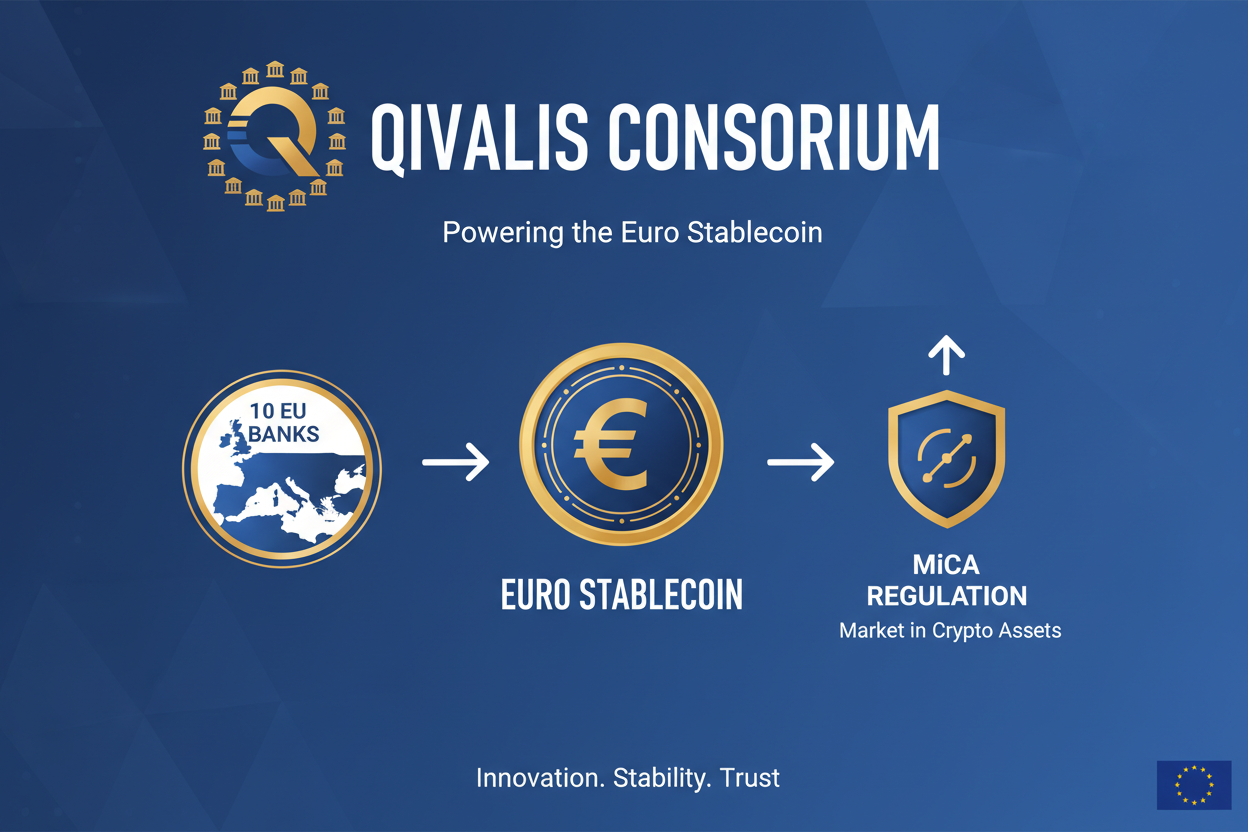
Why the buzz? USD stables rule DeFi liquidity pools, but euro exposure offers hedges against dollar volatility and taps into Europe's $15 trillion economy. Banks like ING and BNP Paribas aren't playing small; they're building infrastructure for wallets, custody, and seamless on-chain euro transfers. This EU banks euro stablecoin 2026 push counters Big Tech's grip, empowering traders with regulated, bank-backed stability.
Meet the Titans: 10 Banks Driving the Euro Stablecoin Revolution
At the heart of Qivalis sits a formidable lineup, each bringing muscle to this euro pegged stablecoin banks initiative. ING leads with its fintech prowess, already deep in blockchain pilots. BNP Paribas, fresh on board, adds global reach across 65 countries. UniCredit fuels Italian innovation, while DekaBank anchors German precision.
10 Banks Fueling Euro Stablecoin Push
- ING - Dutch fintech leader spearheading MiCA-compliant euro stablecoin via Qivalis.

- BNP Paribas - French global giant joining to boost Europe's payments autonomy.

- UniCredit - Italian powerhouse enabling instant cross-border settlements.

- DekaBank - German investment specialist backing regulated euro token.

- KBC - Belgian universal bank powering 24/7 programmable payments.

- Danske Bank - Nordic payments expert challenging USD dominance.

- CaixaBank - Spanish digital innovator offering client wallets and custody.

- Banca Sella - Italian banking pioneer in the Dutch-supervised consortium.

- N26 - German neobank disruptor accelerating stablecoin adoption.
- Qonto - French SME fintech enhancing low-cost euro transactions.

KBC and Danske Bank sharpen Nordic efficiency, CaixaBank and Banca Sella blend tradition with tech. N26 and Qonto inject neobank agility, targeting SMEs and retail. Together, they cover the eurozone spectrum, ensuring broad adoption. Read more on their alignment in this deep dive.
MiCA's Ironclad Framework: Compliance as Trader Rocket Fuel
MiCA isn't red tape; it's the launchpad. Live since 2024, this EU regulation mandates 1: 1 reserves, transparency audits, and redemption rights, weeding out rogue issuers. Qivalis targets EMI status, guaranteeing euro backing and stability. For traders, this means MiCA euro stablecoin launch reliability - no USDT-style wobbles.
Imagine pairing this stablecoin with euro pairs in FX-crypto hybrids. Momentum strategies shine here: euro strength cycles amplify gains without dollar drag. Banks' involvement slashes counterparty risk, drawing institutional flows. Forbes notes Europe's deliberate pace builds trust, positioning Qivalis ahead of fragmented rivals. Check MiCA's on-chain impact.
Dutch Central Bank's Oversight: The Stability Anchor Traders Crave
Why Amsterdam? The Dutch Central Bank (DNB) boasts crypto-savvy supervision, EMI expertise, and MiCA alignment. Qivalis seeks its nod as the issuance hub, ensuring reserves in segregated accounts and real-time monitoring. This Dutch Central Bank euro stablecoin role fortifies credibility, vital for cross-border trust.
Traders, here's your edge: DNB's stamp signals low-volatility pegs, perfect for yield farming or hedging EUR/USD swings. Expect liquidity ramps as banks roll out client wallets by H2 2026. Raiffeisen's prior involvement hints at Eastern expansion, but this ten-bank core sets the pace. As a technical analyst, I see breakout potential when issuance hits - watch volume spikes signaling momentum.
Deeper implications unfold: programmable euro rails could tokenize bonds or automate FX swaps, turbocharging non-USD DeFi. Yet risks linger - regulatory pivots or adoption lags. Still, this consortium's firepower motivates positioning now.
Positioning starts with understanding the momentum building toward H2 2026. Swing traders, gear up for non-USD stablecoins Europe 2026 by scouting euro strength signals now. Pair Qivalis with EUR/USD futures or DeFi pools once live - low slippage, bank-grade pegs turn volatility into opportunity.
Project Roadmap: Key Milestones to 2026 Launch
From September 2025's initial nine-bank reveal to BNP Paribas sealing the ten-strong alliance in December, Qivalis accelerates. Dutch Central Bank EMI greenlight in early 2026 paves issuance, followed by bank-specific rollouts. ING's wallet integrations, N26's mobile-first access, Qonto's SME tools - each bank tailors entry points. This phased rollout minimizes shocks, building trader confidence step by step.
Dive into the regulatory rhythm: MiCA's stability mandates pair with DNB's hawkish oversight, creating a fortress for your positions. Unlike wild-west USD stables, expect daily attestations and instant redemptions, slashing depeg fears during market stress.
Trader Playbook: Strategies to Capitalize on Euro Stablecoin Momentum
As a certified technical analyst, my mantra rings true: ride the waves, respect the risks. Start with accumulation phases - monitor consortium announcements for volume surges in EURT or EURCV precursors. Once Qivalis drops, overlay RSI on euro pairs; divergences signal entries above 1.08 EUR/USD for bullish swings.
Diversify via multi-stable pools: blend Qivalis with JPY or CNY stables for true non-USD portfolios, hedging FX cycles. Banks like UniCredit and DekaBank enable tokenized euro yields, potentially 4-6% APY without USDT's opacity. CaixaBank's digital edge suits retail scalps, while KBC and Danske Bank Nordic flows favor institutional arbitrage.
BNP Paribas global net and Banca Sella's blockchain roots amplify cross-border alpha. N26 neobank speed and Qonto SME focus open micro-trades, turning daily euro drifts into weekly gains. Explore MiCA euro competition with USD stables for DeFi edges.
Risks in Sight: Navigating Choppy Waters Ahead
No wave lacks undertow. Adoption hurdles loom if legacy systems lag; neobanks like N26 must nail UX to rival Tether's stickiness. Geopolitical flares - think US-EU trade spats - could pressure euro pegs, demanding tight stops.
Regulatory twists? MiCA evolves, DNB demands escalate - yet this consortium's heft buffers shocks. BNP Paribas, ING firepower ensures resilience. Track on-chain metrics post-launch: reserve ratios above 105%, transaction velocity spiking signal green lights.
For momentum chasers, set alerts on Dutch Central Bank updates; policy shifts ignite breakouts. Pair with euro pegged stablecoin banks custody for off-ramps, blending on-chain speed with fiat safety.
This Qivalis surge redefines euro trading frontiers. Ten banks - from Dutch ING to French Qonto - forge a compliant powerhouse, slashing USD reliance. As cycles turn, position boldly: wallets ready, charts scanned, risks respected. The euro stablecoin era dawns - catch the swell.




No comments yet. Be the first to share your thoughts!