

SBI Holdings Yen Stablecoin Launch Q2 2026: JPY Pegged Token for Cross-Border Settlements

In the evolving landscape of global stablecoins, Japan’s push toward a regulated JPY stablecoin stands out as a pivotal macro shift. SBI Holdings, a financial powerhouse with deep roots in the archipelago’s economy, has inked a memorandum of understanding with Startale Group to launch a yen-pegged token by Q2 2026. This yen stablecoin 2026 initiative isn’t just another entry in the stablecoin race; it’s a calculated move to integrate Japan into the on-chain economy, leveraging tokenized assets for cross-border settlements and beyond. As non-USD stablecoins gain traction amid diversification demands from investors wary of dollar dominance, this development signals Japan’s intent to reclaim influence in international finance.


SBI Holdings brings institutional heft to the table. As a conglomerate spanning banking, securities, and insurance, it has long championed digital innovation through subsidiaries like SBI Shinsei Bank and SBI VC Trade. Partnering with Singapore-based Startale, a Web3 infrastructure specialist formerly tied to Sony’s blockchain ventures, creates a synergy of regulatory compliance and technical prowess. Shinsei Trust and Banking will oversee issuance and redemption, backed by fiat reserves, while SBI VC Trade handles circulation on licensed exchanges. Startale’s role focuses on smart contracts, APIs, security protocols, and ecosystem growth. This division of labor ensures the SBI Holdings stablecoin meets Japan’s stringent Payment Services Act standards, updated to permit banks and trust firms to issue such assets.
Japan’s Regulatory Evolution Enables Stablecoin Maturity
The backdrop for this Japan regulated stablecoin is a regulatory overhaul that positions Tokyo as a compliant hub for digital assets. The Financial Services Agency’s new framework under the Payment Services Act marks a departure from earlier caution, now allowing yen-backed stablecoins to flourish. This isn’t reactive policy-making; it’s proactive alignment with global trends where tokenized real-world assets and enterprise payments demand reliable rails. By Q2 2026, pending approvals, this token could bridge traditional finance with blockchain, reducing friction in yen-denominated transactions that have historically lagged due to legacy systems.
From a macro perspective, the timing is impeccable. With trade tensions and currency volatility reshaping global commerce, a JPY-pegged stablecoin offers Japanese exporters and importers a hedge against forex swings. It plugs Japan into on-chain finance, where cross-border tokenized asset flows are projected to explode. Think RWAs like real estate or bonds fractionalized on blockchain, settled instantly in yen equivalents. This counters the USD stablecoin monopoly, fostering non-USD stablecoins JPY as viable alternatives in Asia-Pacific trade corridors.
Key Benefits of SBI’s JPY Stablecoin
-

Regulatory Compliance fosters institutional trust via full alignment with Japan’s Payment Services Act and FSA regime; issued by Shinsei Trust & Banking, backed by fiat reserves.
-
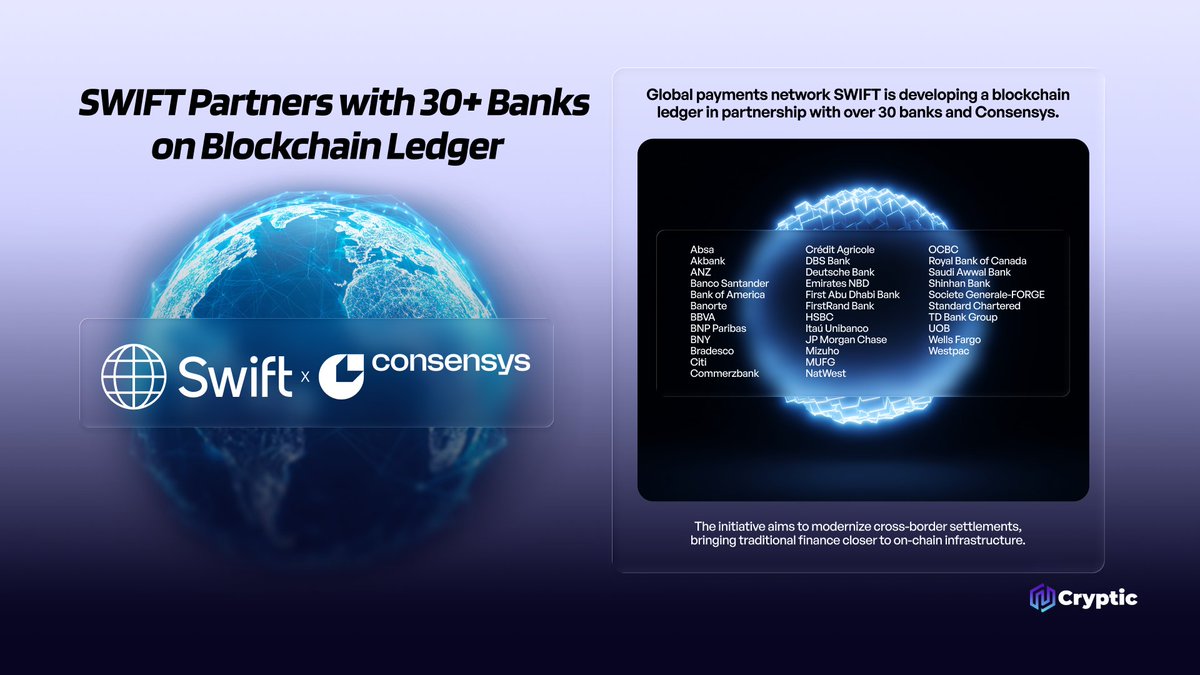
Cross-Border Efficiency streamlines global settlements, integrating Japan into onchain finance and tokenized asset flows for faster, lower-cost international transfers.
-
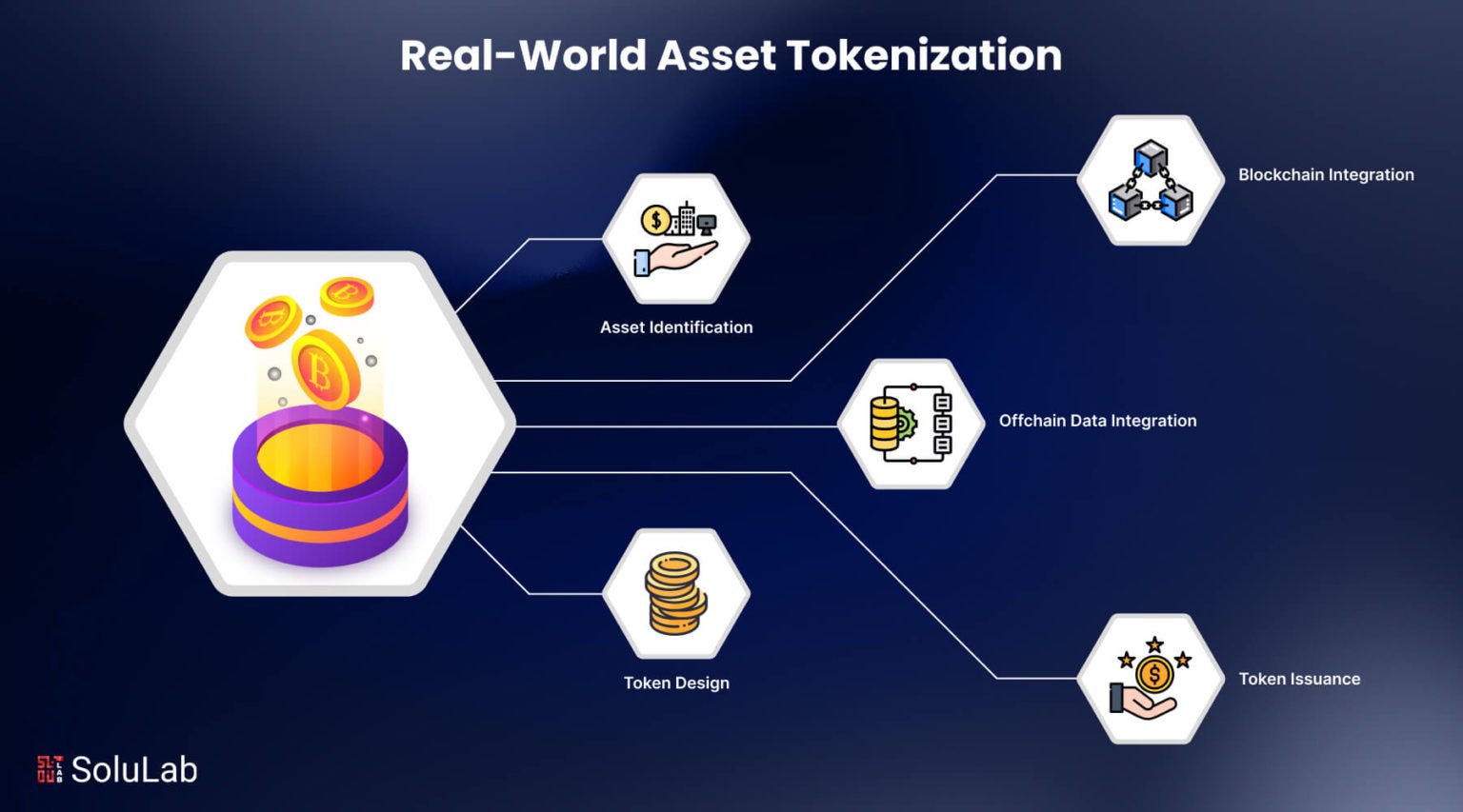
Tokenized RWA Support enables seamless on-chain markets for real-world assets, boosting liquidity and bridging traditional finance with blockchain ecosystems.
-

On-Chain Enterprise Payments powers business transactions through Startale Group‘s smart contracts, APIs, and compliance systems for secure, efficient operations.
-
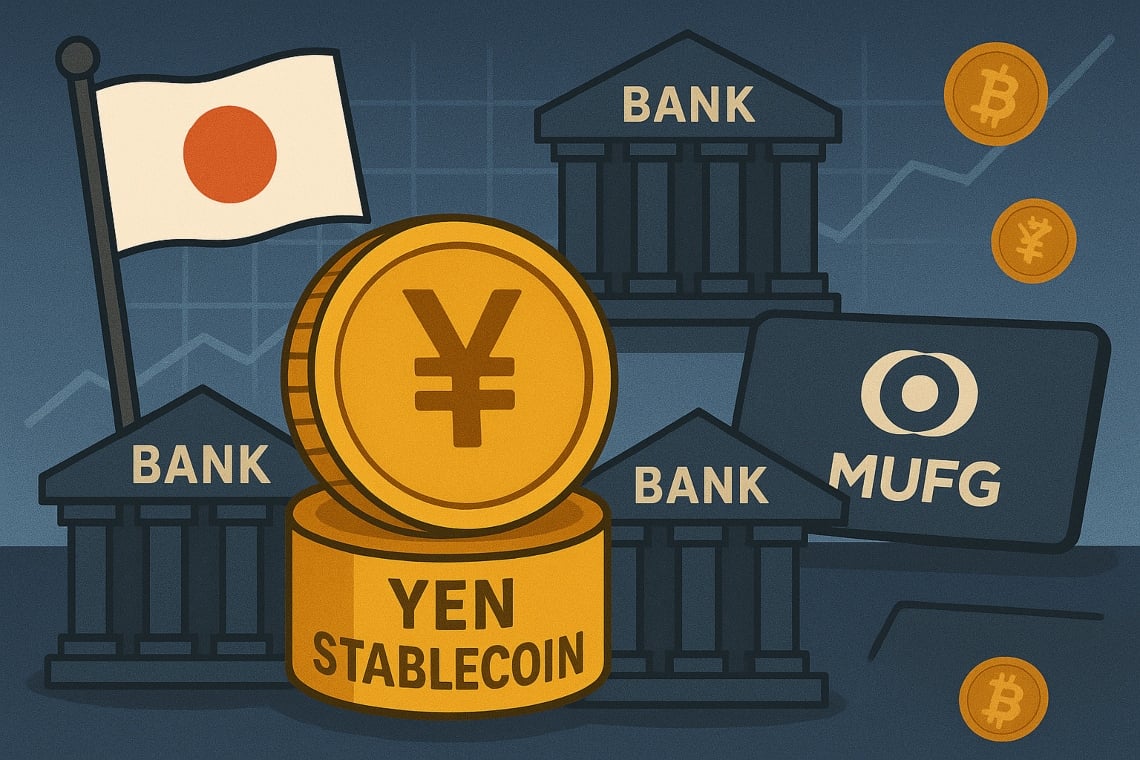
Yen Liquidity in DeFi injects JPY into decentralized ecosystems, enhancing global DeFi participation and yen-denominated yield opportunities.
Strategic Pillars: Cross-Border Settlements and Tokenized Future
At its core, this stablecoin targets the trillion-dollar cross-border payments market, where Japan holds significant stakes through exports and remittances. Traditional SWIFT-based settlements drag with multi-day delays and high fees; a JPY stablecoin promises near-instantaneity on public or permissioned chains. SBI’s Ripple partnership hints at interoperability with XRP Ledger, amplifying reach into emerging markets. Startale’s expertise ensures robust security, vital in a nation scarred by past crypto hacks.
Macro implications ripple outward. For investors, it diversifies stablecoin portfolios beyond USDT and USDC, mitigating single-currency risks amid Fed policy shifts. Japan’s low-interest environment makes yen stables attractive for carry trades in DeFi, potentially drawing yield-seeking capital. Regionally, it complements efforts like Hong Kong’s e-HKD pilots, knitting a non-USD stablecoin fabric across Asia. Yet challenges loom: reserve transparency, yield generation on collateral, and adoption by conservative corporates. SBI’s track record suggests they’ll navigate these with precision.
Ecosystem Foundations: Technology and Compliance Interplay
Startale’s technological backbone is crucial. Their API designs will enable seamless integration for enterprises, while compliance systems embed KYC/AML from inception. This JPY stablecoin won’t be a speculative token; it’s engineered for utility in global trade finance. SBI VC Trade’s exchange infrastructure provides the liquidity on-ramp, crucial for velocity. As development progresses toward 2026, watch for pilot programs testing tokenized bonds or supply chain payments, validating real-world viability.
Progress toward the Q2 2026 launch will hinge on iterative testing and regulatory milestones, underscoring the deliberate pace required for institutional-grade assets. Patience here is paramount; rushed deployments have felled lesser projects, while SBI’s methodical approach builds enduring trust.
Looking at the broader competitive field, this yen stablecoin 2026 enters a niche yet burgeoning space. Unlike USD-dominant players, JPY-pegged tokens address specific regional needs, from yen carry trades to intra-Asian settlements. Yet they must prove scalability against established alternatives.
| Stablecoin | Peg Currency | Issuer Type | Key Use Case | Launch Status |
|---|---|---|---|---|
| SBI JPY Stablecoin | JPY | Regulated Bank/Trust | Cross-border and RWA | Q2 2026 |
| EURT (Tether) | EUR | Offshore | DeFi Liquidity | Live |
| CNHT | CNY | Offshore | Asia Trade | Live |
| GYEN | JPY | Offshore | Payments | Live |
This SBI Holdings stablecoin differentiates through onshore regulation, fiat backing via Shinsei Trust, and enterprise focus. While offshore JPY tokens like GYEN exist, they lack the institutional seal that corporates demand. In a macro lens, it challenges the $150 billion USD stablecoin duopoly, promoting currency sovereignty in blockchain rails. As central banks eye CBDCs, privately issued stables like this offer a hybrid path: decentralized execution with centralized oversight.
Key Adoption Hurdles for SBI’s JPY Stablecoin 🚧
| Hurdle | Challenge Description | Proposed Solutions/Incentives | Strategic Impact |
|---|---|---|---|
| 🏯 Conservative Japanese Corporate Culture | Risk-averse businesses prefer traditional fiat systems over blockchain due to perceived volatility and unfamiliarity. | FSA-regulated issuance via Shinsei Trust & Banking, trusted SBI ecosystem partnerships, and educational pilots for gradual onboarding. | Fosters stable, long-term adoption in Japan’s conservative market, enhancing domestic trust. |
| 💱 Forex Hedging Barriers | Existing USD-centric hedging tools complicate JPY stablecoin integration for international trade. | JPY peg stability with fiat reserves, API integrations for forex platforms, and reduced hedging costs via on-chain efficiency. | Lowers costs for JPY-denominated cross-border payments, boosting competitiveness in Asian trade. |
| ⚙️ Legacy ERP Integration | Outdated enterprise resource planning systems lack blockchain compatibility, hindering seamless adoption. | Startale’s smart contract and API designs tailored for ERP plugins, supporting ISO 20022 standards. | Enables frictionless tokenized asset flows and enterprise payments, accelerating digital transformation. |
| 🔗 Interoperability with SWIFT/RippleNet | Fragmented global payment networks require bridges for stablecoin usability. | ISO 20022 compliance, SBI’s Ripple partnership, and hybrid on/off-ramp via SBI VC Trade. | Speeds up cross-border settlements, positioning Japan in tokenized global finance. |
| 🔍 Post-Terra Transparency Concerns | Past stablecoin collapses like Terra erode trust in reserves and redemption. | Monthly audits, full fiat backing under Payment Services Act, and real-time reserve proofs. | Restores confidence, attracting institutional users for regulated on-chain finance. |
| 🌍 Geopolitical De-Dollarization Resistance | USD dominance in energy/tech trade creates inertia against JPY alternatives. | Tailored for Asia-Pacific trade settlements, JGB-backed yield potential for holders. | Capitalizes on de-dollarization trends, strengthening JPY’s role in global tokenized assets. |
For investors eyeing Japan regulated stablecoin exposure, prudent allocation favors watching pilots over chasing hype. Allocate modestly to yen-stable proxies now, scaling post-launch if velocity metrics impress. Macro tailwinds abound: aging demographics boost remittance utility, while Abenomics echoes sustain loose policy, keeping yen attractive.
The SBI-Startale venture embodies thoughtful evolution in stablecoin design, prioritizing resilience over rapidity. By Q2 2026, it could catalyze a wave of Asian non-USD innovation, rebalancing global crypto toward multipolarity. Perspective reveals not just a token, but a bridge to tokenized prosperity, demanding vigilance yet promising measured rewards for the patient.