
10 EU Banks Euro Stablecoin Launch 2026 Dutch Central Bank Led Initiative

In the evolving landscape of global stablecoins, a pivotal shift is underway as ten prominent EU banks coalesce around a euro-pegged stablecoin set for launch in the second half of 2026. This initiative, spearheaded through the Amsterdam-based entity Qivalis and pursuing authorization from the Dutch Central Bank as an Electronic Money Institution under MiCA, signals a maturing European resolve to foster non-USD stablecoins that align with regional economic sovereignty. Far from a mere technical experiment, this consortium embodies a macro-strategic counterweight to the USD stablecoin hegemony, promising enhanced efficiency in cross-border payments, supply chain finance, and digital asset settlements.

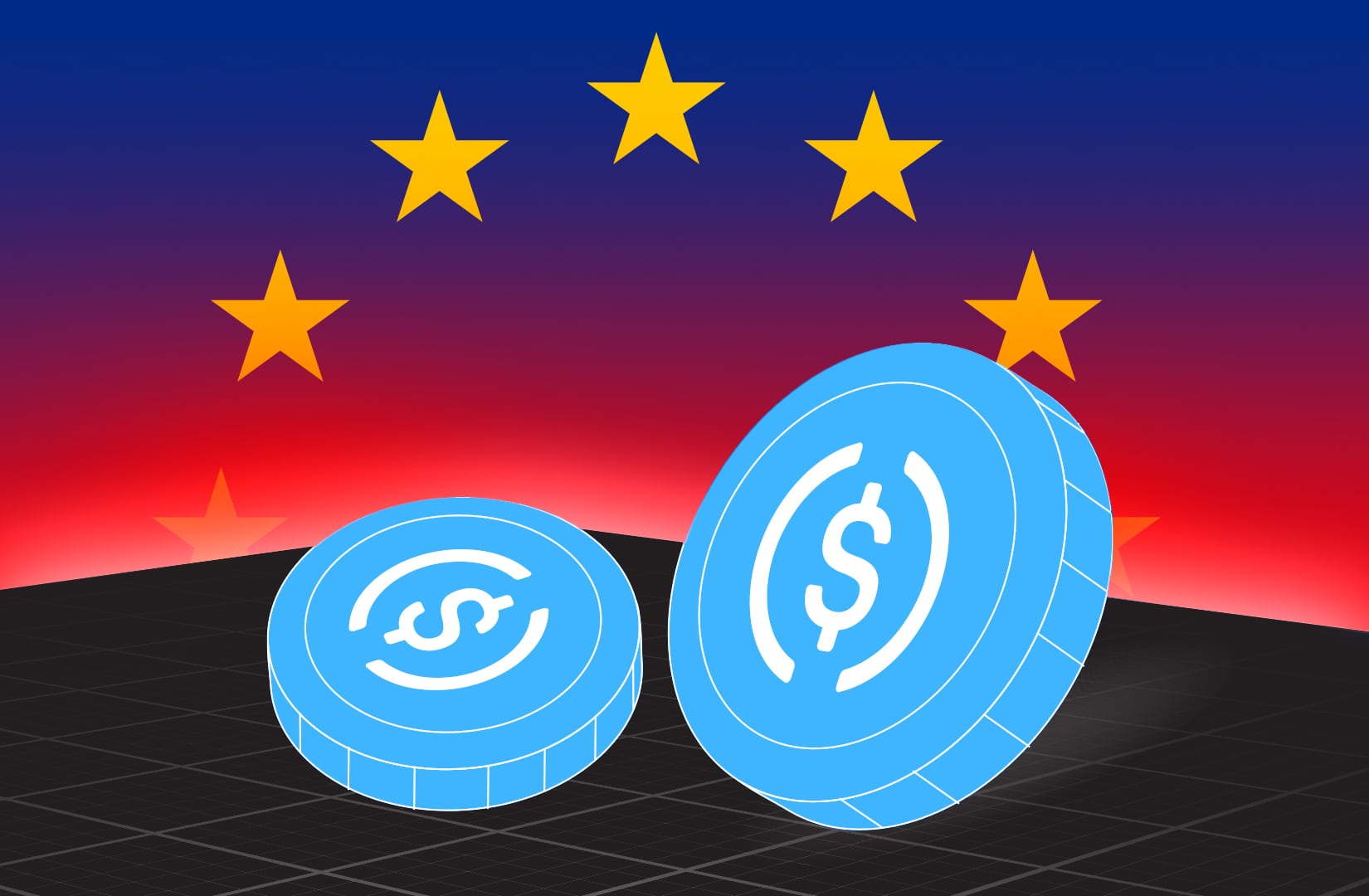
The momentum builds on earlier announcements, where an initial group expanded to include BNP Paribas in late 2025, fortifying a lineup poised to redefine on-chain euro liquidity. Investors attuned to diversification beyond USD anchors will find this development particularly resonant, as it leverages Europe’s regulatory clarity via MiCA to deliver a compliant, bank-backed alternative.
The Qivalis Consortium: A Powerhouse of European Banking
At the heart of this EU banks euro stablecoin endeavor lies Qivalis, a dedicated company established by the consortium to issue the stablecoin. This structure allows for shared infrastructure while maintaining the robustness of reserves held by participating institutions. The project’s openness to additional banks underscores its ambition to scale across the continent, potentially drawing in more players as regulatory green lights emerge.
Qivalis’ 10 Founding Banks
-
ING – Netherlands-based multinational leader, driving the DNB-supervised euro stablecoin under MiCA.
-
BNP Paribas – France’s largest bank by assets, bolstering Europe’s digital payment sovereignty.
-
UniCredit – Italy’s major pan-European bank, enhancing cross-border euro settlements.
-
DekaBank – Germany’s public-sector investment specialist, supporting regulated stablecoin infrastructure.
-
KBC – Belgium’s integrated bank-insurance group, advancing 24/7 programmable payments.
-
Danske Bank – Denmark’s leading financial institution, targeting efficient supply chain finance.
-
CaixaBank – Spain’s prominent retail bank, promoting low-cost cross-border transactions.
-
Banca Sella – Italy’s innovative cooperative bank, fostering digital asset adoption.
-

Caisse Centrale du Crédit Immobilier de France (CCCI) – French real estate finance expert, aiding stablecoin collateralization.
-
Crédit Coopératif – France’s cooperative bank, emphasizing inclusive euro stablecoin access.
ING, with its Dutch roots, provides natural leadership synergy given Qivalis’s Amsterdam base and the oversight role of De Nederlandsche Bank (DNB). BNP Paribas brings French heft and global reach, while UniCredit offers Italian and broader CEE exposure. DekaBank and KBC represent German and Belgian strengths in asset management and retail banking, respectively. Danske Bank bolsters Nordic participation, CaixaBank anchors Spain, and Banca Sella adds Italian fintech prowess. Completing the roster, CCCI and Crédit Coopératif infuse specialized French cooperative and real estate financing perspectives. This diverse assembly not only diversifies risk but also ensures broad geographic and sectoral buy-in, critical for widespread adoption of a euro pegged stablecoin banks product.
Navigating MiCA Compliance Under Dutch Central Bank Guidance
The pathway to launch hinges on securing EMI status from DNB, a process that exemplifies Europe’s proactive stance on crypto regulation. MiCA’s framework demands stringent reserve requirements, transparency, and redemption rights, positioning this MiCA compliant euro stablecoin as a beacon of trust in a market scarred by past depegs. Unlike nascent or offshore issuers, this bank-led effort inherits credibility from institutions with trillions in assets under management, mitigating the trust deficits that plague many digital euros.
From a macro lens, DNB’s involvement elevates the project’s profile. As a key player in the Eurosystem, the central bank’s scrutiny ensures alignment with monetary policy goals, potentially paving the way for interoperability with future CBDC explorations. This Dutch Central Bank stablecoin oversight could catalyze similar initiatives elsewhere, fragmenting yet fortifying Europe’s stablecoin ecosystem against external dominance.
Leadership and Vision: Charting the Course for Euro Stablecoin 2026
Steering Qivalis are seasoned figures attuned to the crypto-fiat nexus. Jan-Oliver Sell, ex-CEO of Coinbase Germany, assumes the CEO mantle, bringing regulatory navigation expertise honed in Europe’s corridors. Floris Lugt, ING’s Digital Assets Lead, steps in as CFO, ensuring operational alignment with banking realities. Their appointments reflect a blend of fintech agility and traditional finance prudence, essential for bridging silos in programmable payments.
The envisioned utility extends beyond payments: 24/7 settlements, programmable smart contracts for supply chains, and tokenized asset efficiency. In a world where USD stables command over 90% market share, this euro stablecoin 2026 entrant could erode that monopoly by catering to eurozone-centric trade flows, which dwarf many alternatives in volume. For traders and investors, it heralds arbitrage opportunities and hedging tools tied to Europe’s economic pulse, rather than Washington’s.
Yet, challenges loom. Achieving critical mass demands blockchain interoperability and merchant acceptance, tasks complicated by lingering fragmentation in EU digital infrastructure. Still, the consortium’s scale positions it advantageously, potentially accelerating non-USD stablecoins Europe adoption amid geopolitical pressures for de-dollarization.
Geopolitical tailwinds further amplify this potential. With BRICS nations exploring de-dollarization and Europe’s own strategic autonomy agenda gaining traction post-Ukraine, a robust euro stablecoin could anchor intra-EU and regional trade in native digital form. This isn’t just about payments; it’s a recalibration of financial gravity toward the Continent’s core currency.
Milestones and Momentum: The Path to Euro Stablecoin 2026 Launch
Tracing the project’s arc reveals deliberate pacing. The September 2025 unveiling of the initial nine banks laid foundational commitments, swiftly followed by BNP Paribas’s integration to hit the decisive ten-bank threshold. By early 2026, leadership solidified with Sell and Lugt at the helm, signaling execution readiness. Pending DNB approval, the H2 2026 rollout targets a market ripe for regulated liquidity, where MiCA’s guardrails will distinguish it from wilder crypto experiments.
For long-term allocators, this timeline offers a cue to monitor regulatory filings and pilot announcements. Early positioning in related DeFi protocols or eurozone tokenization plays could yield asymmetric upside, especially as Qivalis eyes interoperability with chains like Polygon or future Ethereum layers optimized for enterprise.
Investor Implications: Diversifying Beyond USD Dominance
From a portfolio standpoint, the arrival of this EU banks euro stablecoin reshapes non-USD stablecoin dynamics. USD-pegged assets like USDT and USDC have long enjoyed network effects, but their exposure to U. S. regulatory whims introduces tail risks for European users. Qivalis counters with eurozone reserves, likely 1: 1 backed by bank deposits and short-term securities, minimizing depeg vulnerabilities while aligning with ECB policy signals.
10 Banks in Qivalis Consortium
-

ING – Dutch leader driving the MiCA-compliant euro stablecoin under DNB oversight, enabling 24/7 eurozone payments.
-

BNP Paribas – French giant joining in Dec 2025, bolstering institutional trust via MiCA for tokenized assets.
-

UniCredit – Italian powerhouse enhancing cross-border efficiency, reducing SWIFT reliance.
-

DekaBank – German specialist in institutional finance, supporting supply chain programmability.
-

KBC – Belgian bank advancing hedging against USD volatility in euro markets.
-

Danske Bank – Danish leader facilitating gateway to eurozone tokenized assets.
-
CaixaBank – Spanish innovator for programmable payments in supply chains.
-

Banca Sella – Italian pioneer in digital finance for 24/7 settlements.
-
Caisse Centrale du Crédit Immobilier de France (CCCI) – French entity strengthening MiCA compliance.
-

Crédit Coopératif – French cooperative aiding macro euro stability initiatives.
Consider the arbitrage landscape: traders could exploit fleeting EUR/USD spreads on-chain, while corporates streamline B2B settlements. For macro investors, it bolsters conviction in MiCA compliant euro stablecoin narratives, potentially lifting valuations across euro-adjacent protocols. Prudent allocation might tilt 5-10% toward such assets in diversified crypto sleeves, balancing yield with stability.
Yet opinion diverges on speed. Skeptics point to CBDC delays as a cautionary tale, arguing banks may prioritize CBDC interoperability over proprietary stables. Optimists, however, see Qivalis as a hybrid bridge, blending private innovation with public oversight. ING’s fintech lineage and UniCredit’s blockchain pilots suggest the latter prevails, fostering a virtuous cycle of adoption.
Zooming out, this consortium exemplifies how incumbents are reclaiming digital finance’s frontier. DekaBank’s asset management depth pairs with KBC’s retail reach, while CaixaBank and Danske Bank extend southern and Nordic tentacles. Banca Sella’s agility, CCCI’s real estate niche, and Crédit Coopératif’s cooperative ethos round out a tapestry resilient to shocks. In an era of fragmented globalization, such bank-led euro pegged stablecoin banks initiatives fortify Europe’s financial sovereignty, inviting allocators to participate in the next leg of stablecoin evolution.
As Qivalis advances, watch for partnership ripples, perhaps with Progmat or similar tokenization platforms. The Dutch Central Bank’s nod will unlock a cascade, positioning this euro stablecoin 2026 as a cornerstone for non-USD liquidity pools. Patience rewards those who grasp the macro pivot: from dollar deference to euro empowerment.