
10 EU Banks Euro Stablecoin Launch 2026: ING UniCredit BNP Paribas MiCA Plan Explained

Picture this: ten heavyweight European banks, from the Netherlands to France, teaming up to launch a euro-backed stablecoin called Qivalis by the second half of 2026. It’s not just another crypto project; it’s a bold move to challenge the dollar’s stranglehold on digital assets and boost Europe’s payment sovereignty. With ING, UniCredit, and BNP Paribas leading the charge, this EU banks euro stablecoin initiative is fully MiCA-compliant and supervised by the Dutch Central Bank. If you’re tired of USD-dominated stables like USDT or USDC, this could be the game-changer you’ve been waiting for.
These banks aren’t dipping their toes in; they’re diving headfirst into blockchain to offer near-instant, low-cost cross-border payments and programmable money. Qivalis promises full backing by euro reserves, making it a regulated powerhouse in the world of MiCA euro stablecoins. As of early 2026, the consortium has solidified with BNP Paribas joining on December 1,2025, bringing the total to ten powerhouse institutions across the continent.
The Banks Powering the Euro Stablecoin Revolution
Let’s break down who’s involved. This isn’t a ragtag group of startups; these are established giants with deep pockets and regulatory savvy. The consortium spans nine countries, ensuring broad geographic and economic representation.
10 Banks Backing Qivalis
-
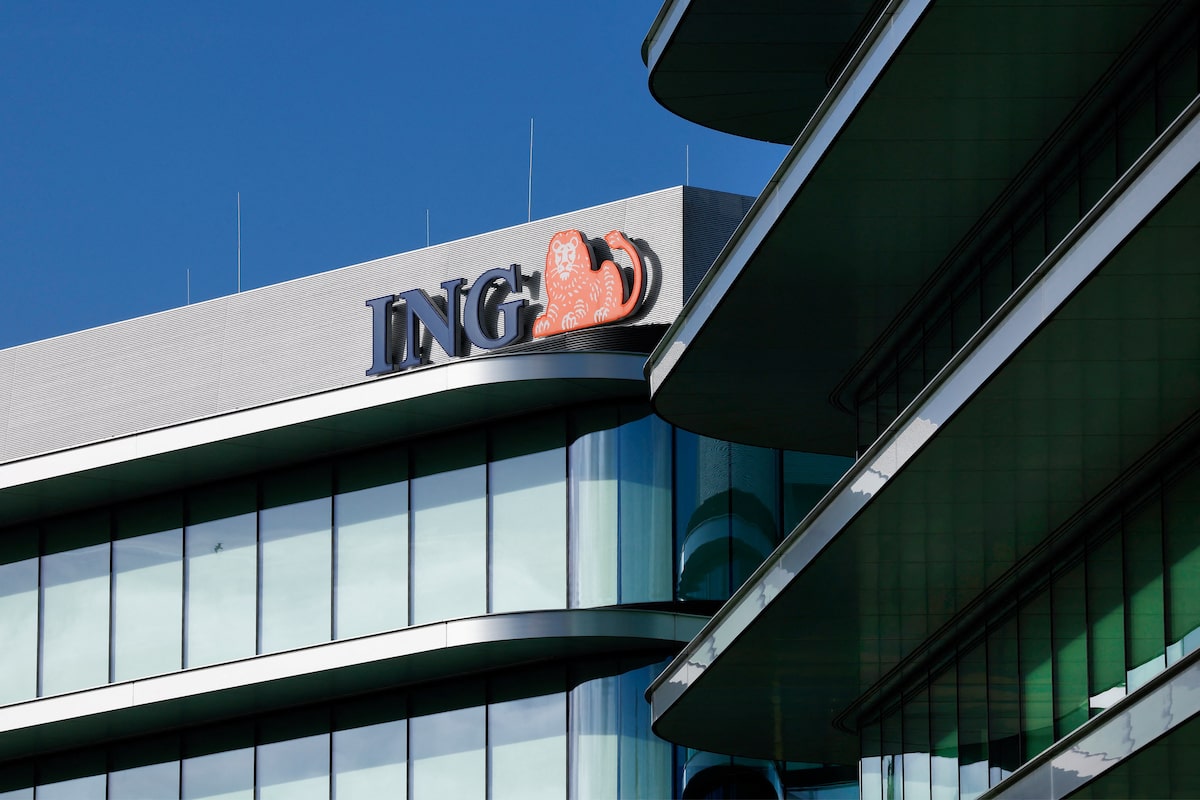
ING (Netherlands): Major Dutch bank with €1T+ assets, digital innovation leader; former digital assets head now Qivalis CFO.
-
UniCredit (Italy): Pan-European powerhouse from Italy, active in stablecoin push.
-
BNP Paribas (France): France’s largest bank by assets, joined consortium Dec 2025.
-
Banca Sella (Italy): Innovative Italian bank focused on fintech and payments.
-
KBC Group (Belgium): Top Belgian financial services group spanning banking and insurance.
-
Danske Bank (Denmark): Denmark’s biggest bank, key Nordic player.
-
DekaBank (Germany): German cooperative banks’ central asset manager.
-
SEB (Sweden): Leading Swedish bank with strong Nordic presence.
-
CaixaBank (Spain): Major Spanish lender backing Qivalis from day one.
-
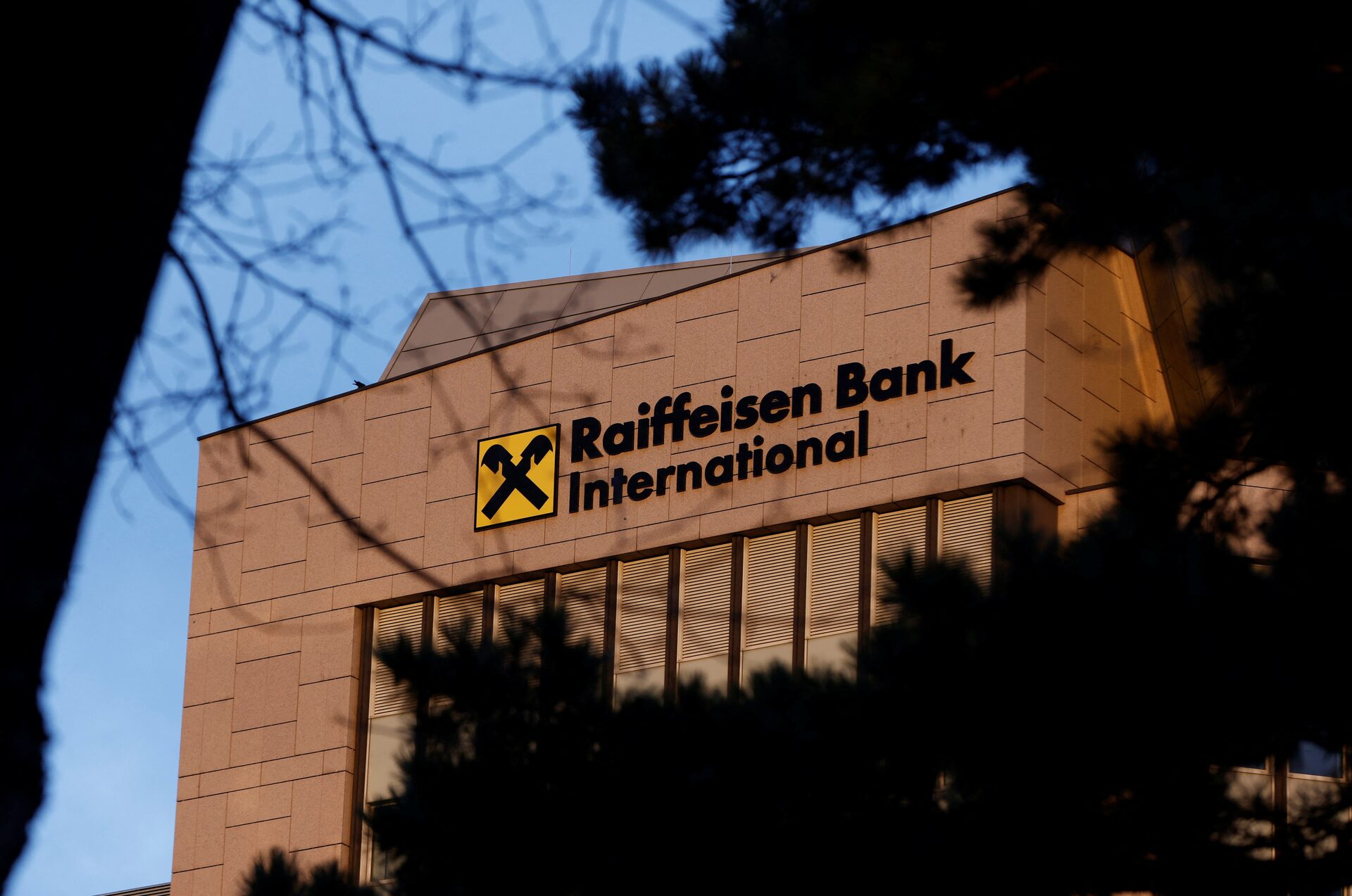
Raiffeisen Bank International (Austria): Austrian cooperative leader in Central/Eastern Europe.
Standouts include ING, a digital banking pioneer already knee-deep in blockchain experiments; UniCredit, Italy’s multinational force pushing on-chain finance; and BNP Paribas, France’s asset behemoth adding serious credibility. Together, they formed Qivalis as a Dutch entity, positioning it perfectly for EU-wide operations under strict oversight. This lineup screams legitimacy and scale-check out more on their alliance here.


MiCA Magic: How Qivalis Stays Compliant and Secure
At the heart of this euro stablecoin 2026 launch is MiCA, the EU’s Markets in Crypto-Assets Regulation that’s setting the gold standard for stablecoins. Qivalis will operate as an Electronic Money Institution, seeking approval from the Dutch Central Bank. That means full transparency on reserves-euros parked in segregated accounts, audited regularly, and redeemable 1: 1.
Why does this matter? Unlike some offshore stables that have faced redemption scares, Qivalis prioritizes stability and trust. It’s designed for real-world use: think seamless remittances between Paris and Berlin, or smart contracts automating supplier payments. Dive deeper into their MiCA strategy in this overview. For non-USD stable fans, this is diversification done right, shielding against USD volatility and geopolitical risks.
Meet the Minds Behind Qivalis’ 2026 Push
Leading the charge is a dream team with crypto street cred. CEO Jan-Oliver Sell brings experience from Coinbase Germany, navigating regulatory mazes like a pro. CFO Floris Lugt, ex-head of digital assets at ING, knows the intersection of TradFi and DeFi inside out. And chairing the board? Sir Howard Davies, former NatWest chairman, lending gravitas from the old guard.
Their roadmap is clear: finalize Dutch Central Bank authorization, integrate with blockchains for interoperability, and roll out in H2 2026. Early focus on programmable payments could unlock yield-bearing features or automated treasury ops for businesses. Imagine settling trades in seconds across borders-no more SWIFT delays. This ING UniCredit BNP Paribas stablecoin plan isn’t hype; it’s a strategic pivot toward Europe’s digital payment autonomy. For details on the Dutch oversight angle, see this piece.
With such firepower, Qivalis could capture significant market share from USD stables, especially as MiCA phases out non-compliant rivals. Traders and investors, keep an eye on this-it’s poised to reshape cross-border flows.
Existing euro stablecoins like Stasis Euro (EURS) or Tether’s EURT have been around, but they’ve struggled with liquidity and adoption outside niche DeFi pools. Qivalis changes the game with bank-grade backing and MiCA compliance, potentially drawing in institutional players wary of unregulated options. Picture treasury teams at mid-sized exporters swapping USD exposure for a euro-pegged asset that’s as reliable as their current accounts. For non-USD euro stables enthusiasts, this is the regulated upgrade we’ve needed-one that could hit billions in circulation if cross-border rails integrate it swiftly.
Qivalis’ Edge in a Dollar-Dominated World
Let’s talk real impact. Right now, over 90% of stablecoin volume ties back to the dollar, leaving euro users exposed to FX swings and US regulatory whims. Qivalis flips that script, enabling programmable payments tailored for Europe’s economy-think instant B2B settlements or yield on idle cash without leaving the blockchain. Businesses in Germany paying Italian suppliers? Done in seconds, at pennies per transaction. Retail users get low-fee remittances, dodging the 7% average SWIFT bite.
Qivalis vs. Major USD Stablecoins (USDT, USDC) and Euro Rivals (EURT, EURS)
| Stablecoin | Backing | Regulation | Liquidity Potential | Cross-Border Speed | Issuer Credibility |
|---|---|---|---|---|---|
| Qivalis | Fully backed by euro reserves 💶 | MiCA-compliant ✅ Dutch Central Bank (EMI authorization) |
High (backed by 10 major EU banks) | Near-instant, low-cost 🌍 | Very High (ING, UniCredit, BNP Paribas +7 others) |
| USDT | USD cash & equivalents (controversial reserves) |
Limited (Offshore, BVI) |
Extremely High | Fast (seconds on Tron/Eth) |
Medium (Tether Ltd. fines & scrutiny) |
| USDC | USD cash & short-term Treasuries | US-regulated (Money transmitter licenses) |
Very High | Fast (blockchain-dependent) |
High (Circle + Coinbase) |
| EURT | Euro cash & equivalents | Limited (Tether oversight) |
Low | Fast | Medium (Tether Ltd.) |
| EURS | Euro bank deposits | Limited EU compliance | Very Low | Fast | Low (Stasis) |
From a trader’s lens, Qivalis slots into DeFi seamlessly on Ethereum or Polygon, offering arbitrage ops against spot EUR and hedging tools. Its Dutch Central Bank oversight adds a layer of trust that offshore issuers can’t match, especially post-MiCA crackdowns. I see it carving out 10-20% of Europe’s stablecoin market within two years, fueled by bank integrations and API access for fintechs.
Roadblocks Ahead: Challenges and Realistic Timeline
No project this ambitious skips hurdles. Regulatory greenlights aren’t rubber stamps; the Dutch Central Bank will scrutinize reserve management and AML flows rigorously. Interoperability across chains remains tricky-blockchain fragmentation could hobble adoption if Qivalis picks one network over others. Plus, convincing corporates to bridge TradFi to crypto takes time, even with MiCA’s tailwinds.
Yet the consortium’s firepower mitigates most risks. ING’s blockchain lab has prototyped similar systems, UniCredit eyes on-chain bonds, and BNP Paribas brings custody expertise. By mid-2026, expect pilots with select clients, scaling to public minting. This isn’t vaporware; it’s a consortium with € trillions in combined assets committing to execution.
For investors eyeing Dutch Central Bank stablecoin plays, watch for partnership announcements-particularly with payment giants like Adyen or Ripple. Early liquidity providers could see outsized rewards as volume ramps.
As Europe asserts its digital finance muscle, Qivalis stands as a beacon for diversified stables. Whether you’re a trader hunting euro pairs or a business streamlining payments, this EU banks euro stablecoin rollout promises efficiency and sovereignty. Stay tuned-the second half of 2026 could mark the dawn of euro’s blockchain era.