5 Best Crypto Stablecoins for 2026: USDC, USDT, and Tokenized Assets
Selecting a stablecoin in 2026 is a risk management decision defined by regulatory compliance and reserve transparency, not yield. We evaluate USDC, USDT, PYUSD, USDS, and EURC strictly against official issuer reports and primary regulatory filings to ensure capital preservation.
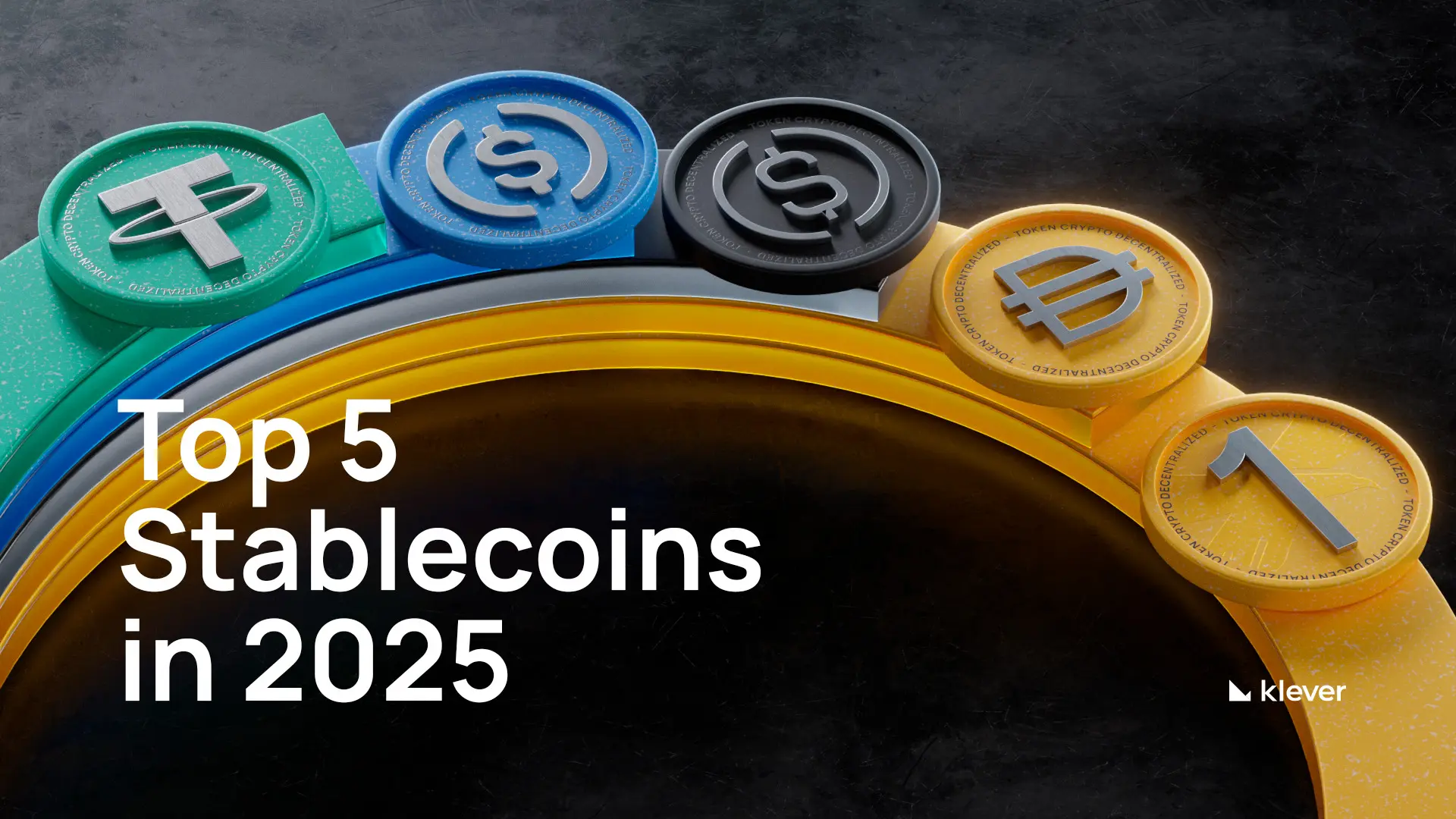
1. USD Coin (USDC) for regulated safety
USDC stands as the gold standard for compliance-driven stablecoins, backed by Circle’s rigorous monthly attestation reports. Its reserves consist primarily of short-term U.S. Treasuries and cash, ensuring immediate liquidity. This structure appeals to institutional investors prioritizing regulatory clarity and audit transparency over speculative yields. It serves as a secure digital dollar proxy within the evolving legal framework.

2. Tether (USDT) for global liquidity
Tether maintains its position as the most widely traded stablecoin, offering unparalleled liquidity across global exchanges and emerging markets. While its reserve composition has faced scrutiny, its deep market penetration makes it indispensable for high-volume trading and cross-border settlements. Users accepting this risk benefit from the lowest slippage and fastest execution speeds available in the crypto ecosystem today.
3. PayPal USD (PYUSD) for fiat integration
PYUSD bridges traditional finance and crypto by leveraging PayPal’s vast user base and established compliance infrastructure. Backed by U.S. dollars and short-term Treasuries, it offers seamless on-ramping for everyday consumers. Its integration into the PayPal ecosystem simplifies conversions between fiat and digital assets, providing a familiar, regulated entry point for mainstream adoption without complex wallet setups.

4. USD1 (USDS) for decentralized transparency
Created by MakerDAO, USD1 (USDS) offers a decentralized alternative to centralized issuers, with reserves fully backed by U.S. Treasuries. Its on-chain transparency allows users to verify collateralization in real-time, appealing to purists who distrust traditional financial intermediaries. This model combines the stability of government debt with the auditability of blockchain technology, setting a new benchmark for decentralized finance safety.

5. EURC for euro-denominated diversification
EURC provides a regulated, fully reserved euro-backed stablecoin, essential for users seeking exposure to European currency dynamics without traditional banking friction. Issued by Circle, it maintains strict compliance with EU financial regulations, offering a secure alternative to volatile cryptocurrencies for Eurozone transactions. Its liquidity is growing rapidly, making it a vital tool for diversifying currency risk in a multi-crypto portfolio.

Choosing stablecoins in 2026
Selecting a stablecoin in 2026 requires shifting focus from market dominance to regulatory compliance. The market is now defined by two major frameworks: the U.S. Clarity Act and the European Union’s MiCA regulation. These laws have moved stability from a promise to a legal requirement, making compliance the primary filter for safety.
Under MiCA, issuers must maintain transparent reserves and undergo regular audits. This regulatory clarity eliminates the ambiguity that plagued earlier cycles. For investors, this means prioritizing tokens issued by regulated entities over those relying on opaque commercial paper. The shift favors issuers like Circle (USDC) and PayPal (PYUSD), which operate within established financial reporting standards.
While Tether (USDT) retains the largest market cap, its reserve composition has faced ongoing scrutiny. In contrast, USDC and PYUSD offer clearer visibility into their backing assets. When evaluating options, treat stablecoin selection as a risk management decision. Rely on official issuer reports and regulatory filings rather than market sentiment to determine which token aligns with your compliance needs.
Comparing Stablecoin Features
Selecting a stablecoin is a risk management decision, not just a utility choice. The differences between USDC, USDT, PYUSD, USDS, and EURC lie in their legal structures, reserve composition, and regulatory oversight. Understanding these mechanics is essential for compliance and capital preservation.
| Token | Issuer | Reserve Type | Best Use Case |
|---|---|---|---|
| USDC | Circle | US Treasuries & Cash | Regulated enterprise & DeFi |
| USDT | Tether | Mixed Commercial Paper & Cash | Global liquidity & exchange trading |
| PYUSD | PayPal | US Treasuries & Cash | PayPal ecosystem payments |
| USDS | MakerDAO | US Treasuries & Cash | On-chain yield & decentralization |
| EURC | Circle | Euro Gov Bonds & Cash | European trade & settlements |
The table above highlights the structural divergence in the market. USDC and PYUSD prioritize transparency by holding reserves in short-duration US Treasuries and cash, aligning with strict regulatory expectations. In contrast, USDT’s mixed reserve model includes commercial paper, which historically has drawn scrutiny regarding liquidity during stress events. USDS represents the decentralized alternative, relying on over-collateralized crypto assets rather than traditional banking reserves.
Stablecoin safety checklist
Choosing a stablecoin is a risk management decision, not just a transactional one. Before you hold or trade USDC, USDT, PYUSD, USDS, or EURC, verify the issuer’s compliance and reserve structure. Treat every stablecoin as a potential liability until you confirm its backing.
Confirm the issuer is registered and operating within a regulated framework. USDC (Circle) and PYUSD (PayPal) maintain strict adherence to US financial regulations, offering institutional-grade oversight that reduces legal risk.
Check for monthly or quarterly attestation reports from reputable accounting firms. Transparency in reserve composition—whether cash, Treasury bills, or commercial paper—is non-negotiable for maintaining the peg.
For algorithmic or over-collateralized assets like USDS or DAI, verify the collateral ratio on-chain. Ensure there is sufficient buffer value to absorb market volatility without triggering a de-pegging event.
Frequently asked: what to check next
Helpful gear
Use these product recommendations as a starting point, then choose the size, material, and price point that fit how you actually use the gear.

![The Crypto Millionaire Bible: [5 in 1] How to Easily Make Life-Changing Money in The Next Big 2025-2026 Bull Run with Smart Investing and Trading Any Cryptocurrency (Altcoins, Meme, NFT, Airdrops)](https://m.media-amazon.com/images/I/61K1jz+cWtL._AC_UY654_QL65_.jpg)

As an Amazon Associate, we may earn from qualifying purchases.
No comments yet. Be the first to share your thoughts!