5 Best Stablecoins 2026: USDC, USDT, and the Regulated Alternatives
In 2026, selecting a stablecoin requires prioritizing verifiable reserve transparency and strict regulatory compliance over mere market capitalization. This analysis evaluates USDC, USDT, and emerging regulated alternatives based on official audit data and legal frameworks to ensure capital preservation.
1. USDC: The regulatory standard
USDC stands as the premier choice for institutional compliance, backed by Circle’s transparent monthly attestation reports. Its reserves consist entirely of cash and short-dated U.S. Treasury bills, ensuring immediate liquidity. This strict adherence to regulatory frameworks makes it the safest harbor for high-stakes corporate treasury management and cross-border settlements in 2026.
2. USDT: The liquidity leader
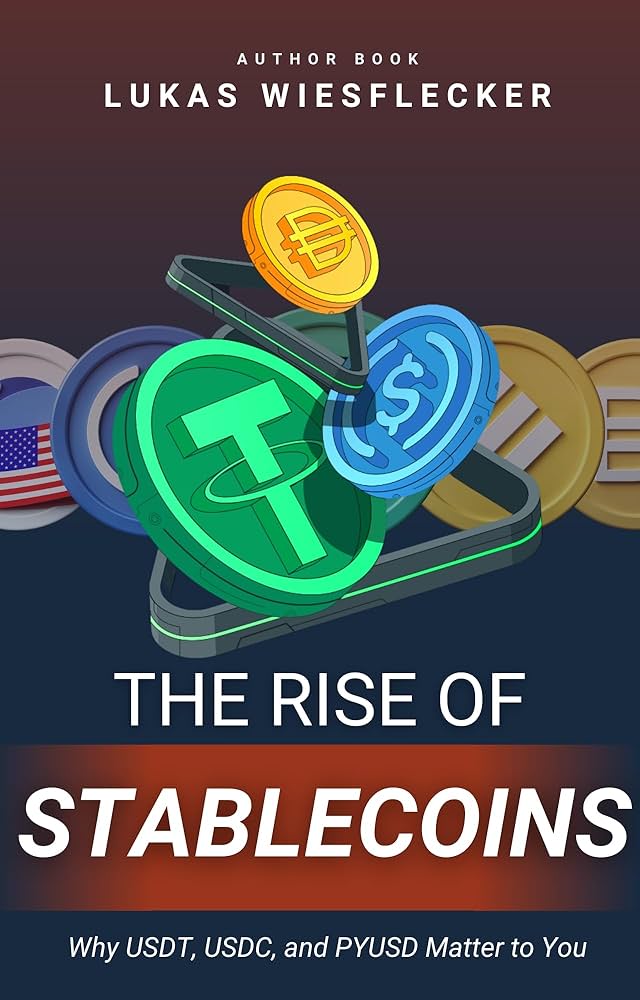
Tether maintains its dominance through unmatched trading volume and deep liquidity across global exchanges. While its reserve composition has faced scrutiny, its ubiquity ensures rapid execution for large-scale trades. Users prioritize its market depth over perfect transparency, accepting the trade-off for unparalleled access in volatile market conditions.


3. DAI: Decentralized stability
DAI offers a censorship-resistant alternative by pegging its value to the dollar through overcollateralized crypto assets. Unlike centralized issuers, its governance relies on MakerDAO’s decentralized autonomous organization structure. This model appeals to privacy-focused users seeking stability without reliance on traditional banking infrastructure or centralized entities.
4. PYUSD: The regulated entrant
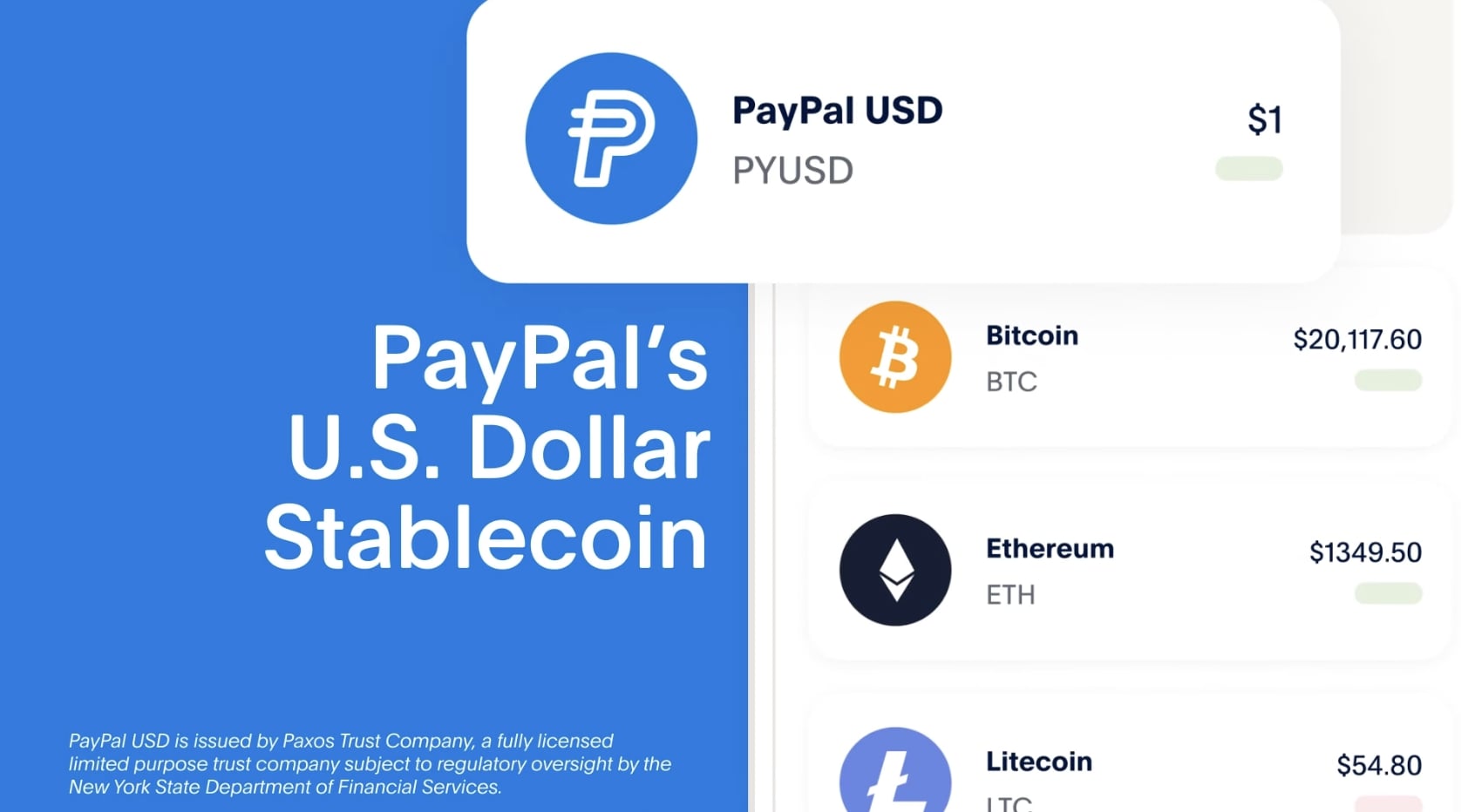
Launched by PayPal, PYUSD brings mainstream financial credibility to the stablecoin space. It operates under strict New York State Department of Financial Services oversight, with reserves held in cash and short-term U.S. Treasuries. This integration allows seamless fiat-to-crypto transitions for millions of PayPal users, bridging traditional finance and digital assets.
5. Frax: The hybrid algorithmic model
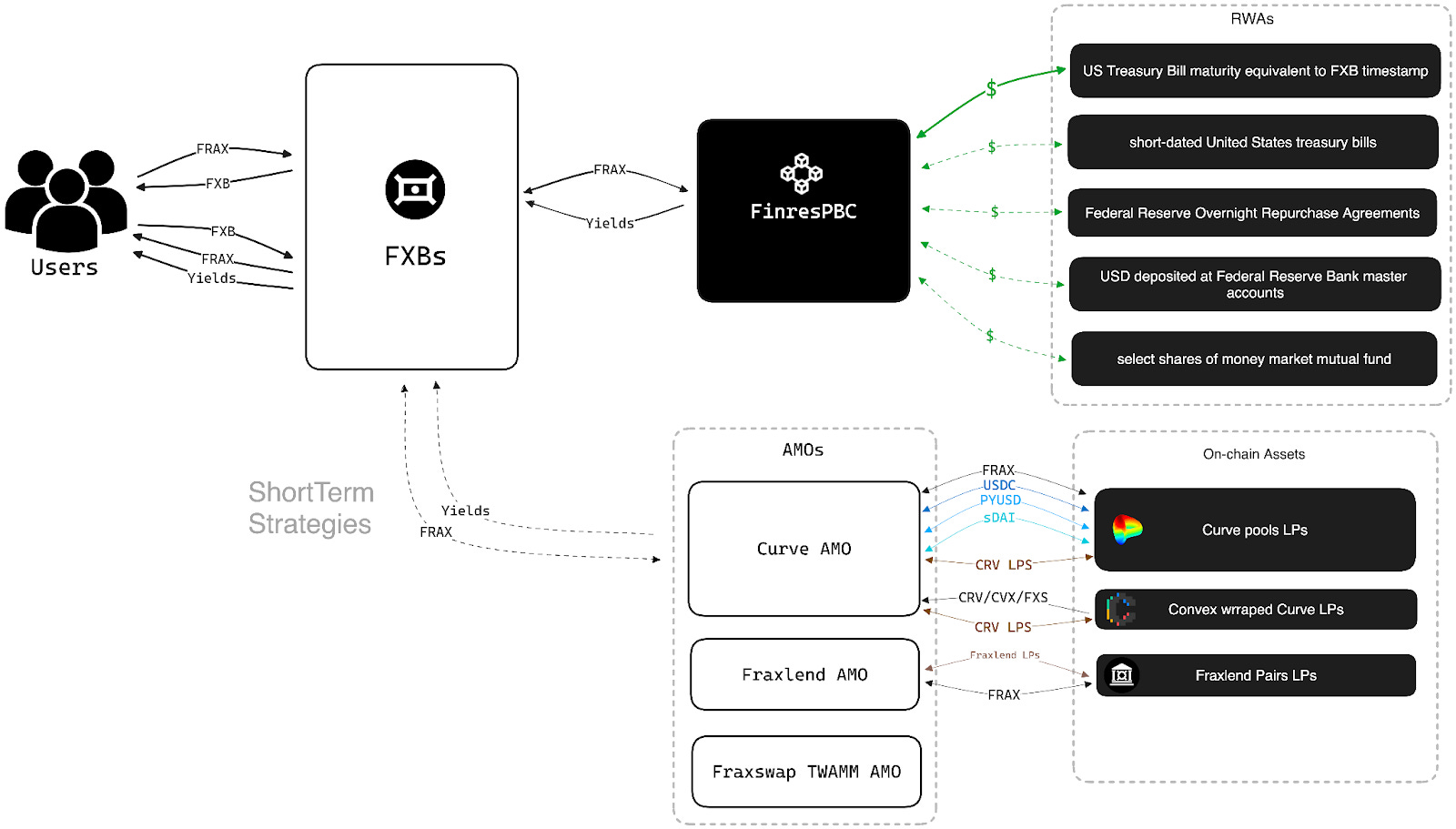
Frax utilizes a unique fractional-algorithmic stablecoin mechanism, partially backed by collateral and partially stabilized by algorithmic seigniorage. This hybrid approach aims to balance capital efficiency with stability. By adjusting the collateral ratio dynamically, Frax seeks to optimize yield for holders while maintaining its peg during market fluctuations.
Best stablecoins for 2026
The stablecoin market in 2026 has shifted decisively toward regulatory compliance and transparency. While volume remains high across the board, institutional adoption and enterprise utility now favor assets with verifiable reserves and clear legal standing. The top five contenders—USDT, USDC, DAI, PYUSD, and BUSD—each serve distinct roles in the crypto ecosystem, but their risk profiles differ significantly based on their reserve composition and regulatory history.
Tether (USDT) remains the most widely used stablecoin by trading volume, offering deep liquidity across almost all exchanges. Its dominance is built on network effects rather than regulatory clarity, making it a utility tool for traders but a higher-risk hold for long-term storage. In contrast, USD Coin (USDC) leads in transparency, publishing monthly attestation reports and maintaining full reserves in cash and short-term U.S. treasuries. This structure has made USDC the preferred choice for regulated financial institutions and enterprise payments.
Decentralized options like DAI provide algorithmic stability without centralized custody, appealing to users who prioritize censorship resistance over traditional banking ties. Meanwhile, PayPal’s PYUSD represents the growing entry of traditional fintech giants into the space, offering a familiar on-ramp for mainstream users but relying heavily on Paxos for issuance and reserve management. BUSD, once a major competitor, has scaled back operations following regulatory pressure, leaving a vacuum in the exchange-integrated stablecoin category.
Choosing the right stablecoin depends on your primary use case. For high-frequency trading, USDT’s liquidity is unmatched. For holding value or integrating with compliant financial services, USDC’s transparency offers greater peace of mind. Decentralized finance participants may prefer DAI for its permissionless nature, while everyday users might find PYUSD’s ease of use compelling. Always verify the current regulatory status and reserve reports of any stablecoin before committing significant capital.
Stablecoin comparison and key metrics
Choosing a stablecoin requires weighing liquidity against regulatory safety. The following table compares the top five stablecoins by market capitalization, focusing on issuer type, reserve backing, and primary use cases to help you decide which asset fits your specific needs.
| Stablecoin | Issuer Type | Reserve Backing | Primary Use Case |
|---|---|---|---|
| USDT | Private (Tether Holdings) | Commercial paper, cash, and equivalents | High-volume trading and global transfers |
| USDC | Public (Circle) | Cash and short-term US Treasuries | DeFi integration and regulated exchanges |
| DAI | Decentralized (MakerDAO) | Crypto collateral and real-world assets | Decentralized finance and censorship resistance |
| PYUSD | Private (PayPal) | Cash and short-term US Treasuries | Consumer payments and merchant settlements |
| USDP | Private (Paxos) | Cash and US Treasuries | Institutional custody and compliance |
Tether (USDT) remains the largest stablecoin by market capitalization, offering deep liquidity for traders. However, its reserve composition has historically included commercial paper, which carries higher risk than pure cash holdings. Circle’s USDC provides greater transparency through monthly attestation reports, making it the preferred choice for regulated financial institutions.
Decentralized options like DAI rely on over-collateralized crypto assets rather than traditional bank deposits. This structure offers censorship resistance but introduces complexity in managing collateral ratios during market volatility. Newer entrants like PayPal’s PYUSD and Paxos’s USDP aim to bridge traditional finance and crypto by adhering strictly to US regulatory standards, holding reserves in cash and short-term Treasuries.
Choosing the right stablecoin
Selecting a stablecoin requires matching its regulatory structure to your specific use case. While USDT and USDC dominate market volume, their reserve compositions and compliance levels differ significantly. For high-stakes decisions, prioritize coins with audited, on-chain transparency and clear jurisdictional oversight.
Trading pairs favor USDT for its deep liquidity on most exchanges. Savings and DeFi integration typically lean toward USDC due to its broader institutional acceptance and cleaner regulatory history. Enterprise payments require stablecoins with explicit compliance frameworks to avoid banking friction.

Check if the issuer publishes monthly attestation reports from a Big Four accounting firm. USDC provides real-time on-chain transparency via its Circle dashboard, allowing you to verify backing assets instantly. USDT relies on periodic third-party attestations, which are less granular but still publicly available.
USDC is issued by Circle, a US-regulated entity subject to strict banking compliance. USDT is issued by Tether Limited, which operates under different regulatory scrutiny. For users in heavily regulated markets, USDC’s US-based compliance often reduces the risk of frozen assets or exchange delisting.
| Feature | USDC | USDT |
|---|---|---|
| Regulatory Body | Circle (US Regulated) | Tether Limited |
| Transparency | Real-time on-chain | Monthly attestations |
| Best Use Case | Savings, DeFi, Enterprise | High-volume trading |
No comments yet. Be the first to share your thoughts!