Why stablecoin regulation changes everything
The landscape of digital dollars has shifted. In 2026, the era of "code is law" has been replaced by a framework where compliance is the primary safety net. New regulatory structures, including the Markets in Crypto-Assets (MiCA) regulation in Europe and emerging federal standards in the United States, have fundamentally altered the risk profile of holding stablecoins. For investors, this means that reserve transparency and issuer adherence to legal standards are no longer optional features—they are the baseline for survival.
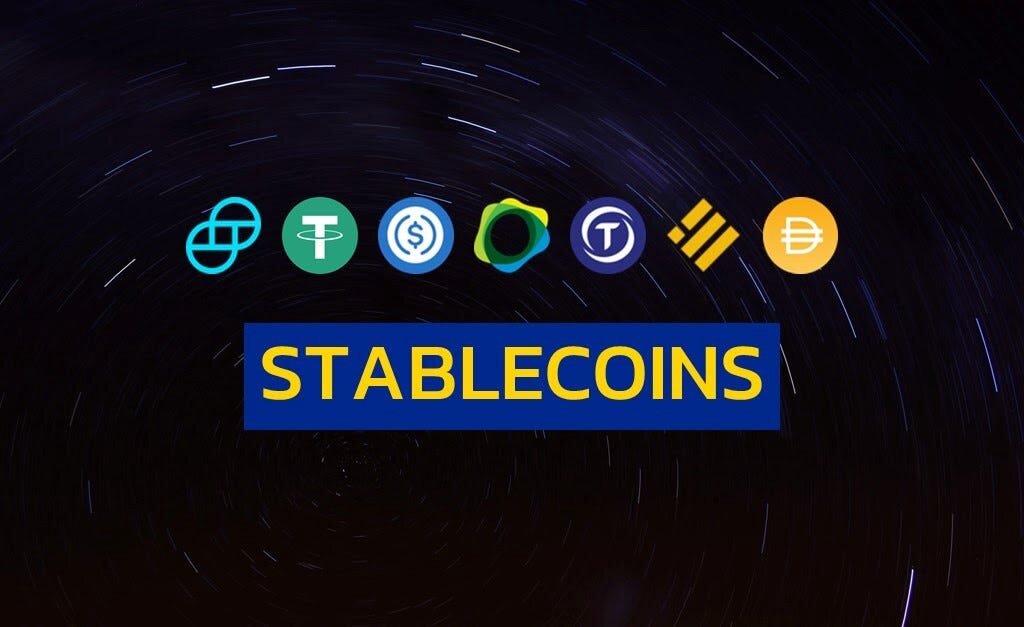
This regulatory pressure has forced issuers to open their books. Major players like Circle (USDC), Tether (USDT), and PayPal (PYUSD) now publish regular attestation reports to prove their backing assets. These documents are your new due diligence tools. Instead of relying on vague promises of 1:1 backing, you can verify whether reserves consist of cash, short-term treasuries, or riskier commercial paper. The difference is not just semantic; it determines whether your stablecoin can withstand a market shock or a regulatory audit.
DAI, while decentralized, has also adapted by partnering with regulated entities to hold its collateral, blurring the line between pure DeFi and traditional finance. As these frameworks tighten, the margin for error shrinks. Holding a stablecoin from an issuer that ignores these new rules is no longer a high-risk gamble—it is a liability. Understanding who is regulated, and how, is the first step in protecting your capital in 2026.
5 Stablecoins to Hold in 2026: A Regulatory Guide
Navigating the post-regulation landscape requires selecting assets based on issuer transparency, reserve quality, and jurisdictional compliance. Below are five stablecoins that meet the critical safety standards of 2026, ranked by their adherence to regulatory frameworks and reserve transparency.
-
USD Coin (USDC) Issued by Circle, USDC remains the gold standard for regulatory compliance in the United States. It holds primarily cash and short-term U.S. Treasuries, with monthly attestation reports provided by independent auditors. Its status as a regulated U.S. entity makes it the safest choice for institutional capital and risk-averse investors seeking maximum transparency.
-
PayPal USD (PYUSD) PYUSD represents the entry of major fintech into the regulated stablecoin space. Issued by Paxos Trust Company under New York banking laws, PYUSD offers a familiar brand with rigorous compliance standards. Its reserves are similarly backed by cash and short-term Treasuries, providing a secure option for users already embedded in the PayPal ecosystem.
-
Tether (USDT) Despite historical controversies, USDT remains the most liquid stablecoin globally. In 2026, Tether has significantly improved its reserve transparency, publishing quarterly attestations. While it holds a portion of commercial paper alongside cash and Treasuries, its offshore structure (BVI) requires investors to weigh liquidity benefits against slightly higher regulatory scrutiny compared to U.S.-based issuers.
-
Dai (DAI) DAI offers a decentralized alternative that has adapted to the new regulatory reality. While not issued by a single centralized entity, MakerDAO has diversified its collateral to include regulated financial instruments like U.S. Treasuries held through regulated partners. This hybrid approach provides decentralization benefits while mitigating the risks associated with purely crypto-collateralized models.
-
USDe (eUSD) Issued by Ethena, USDe represents a newer entrant focused on synthetic dollar stability. It utilizes a delta-neutral hedging strategy involving staked Ethereum and futures positions. While offering higher yields, it introduces counterparty risk from the underlying DeFi protocols. Investors must carefully assess the smart contract security and hedging mechanisms before allocating capital.
How to compare stablecoin reserves
When evaluating stablecoin safety, you must look past the peg and examine the backing assets. The difference between holding USDC and USDT often comes down to reserve composition: USDC holds mostly cash and short-term Treasuries, while USDT holds a significant portion of commercial paper. This distinction matters when regulatory scrutiny tightens.
You should also verify audit frequency and jurisdiction. Circle publishes monthly attestation reports, and Tether provides quarterly attestations. PayPal’s PYUSD is issued by a regulated entity under US banking laws, offering a different compliance layer than decentralized options like DAI. Always check the issuer’s official reports rather than third-party summaries.
| Stablecoin | Issuer | Primary Reserves | Regulatory Status |
|---|---|---|---|
| USDT | Tether | Cash & Commercial Paper | Offshore (BVI) |
| USDC | Circle | Cash & Treasuries | US Regulated |
| PYUSD | PayPal | Cash & Treasuries | US Regulated |
| DAI | MakerDAO | Crypto & Treasuries | Decentralized |


As an Amazon Associate, we may earn from qualifying purchases.
Yield and Custody Risks
Staking or lending stablecoins for yield introduces significant counterparty risk that often outweighs the potential returns. High yields are rarely free money; they typically signal that the issuer is taking on substantial risk with your capital. In 2026, regulatory scrutiny has intensified, making reserve transparency and compliance critical safety factors. Issuers like Circle (USDC), Tether (USDT), and PayPal (PYUSD) must maintain strict adherence to financial regulations, while decentralized options like DAI rely on complex collateralization models that can fail under stress.
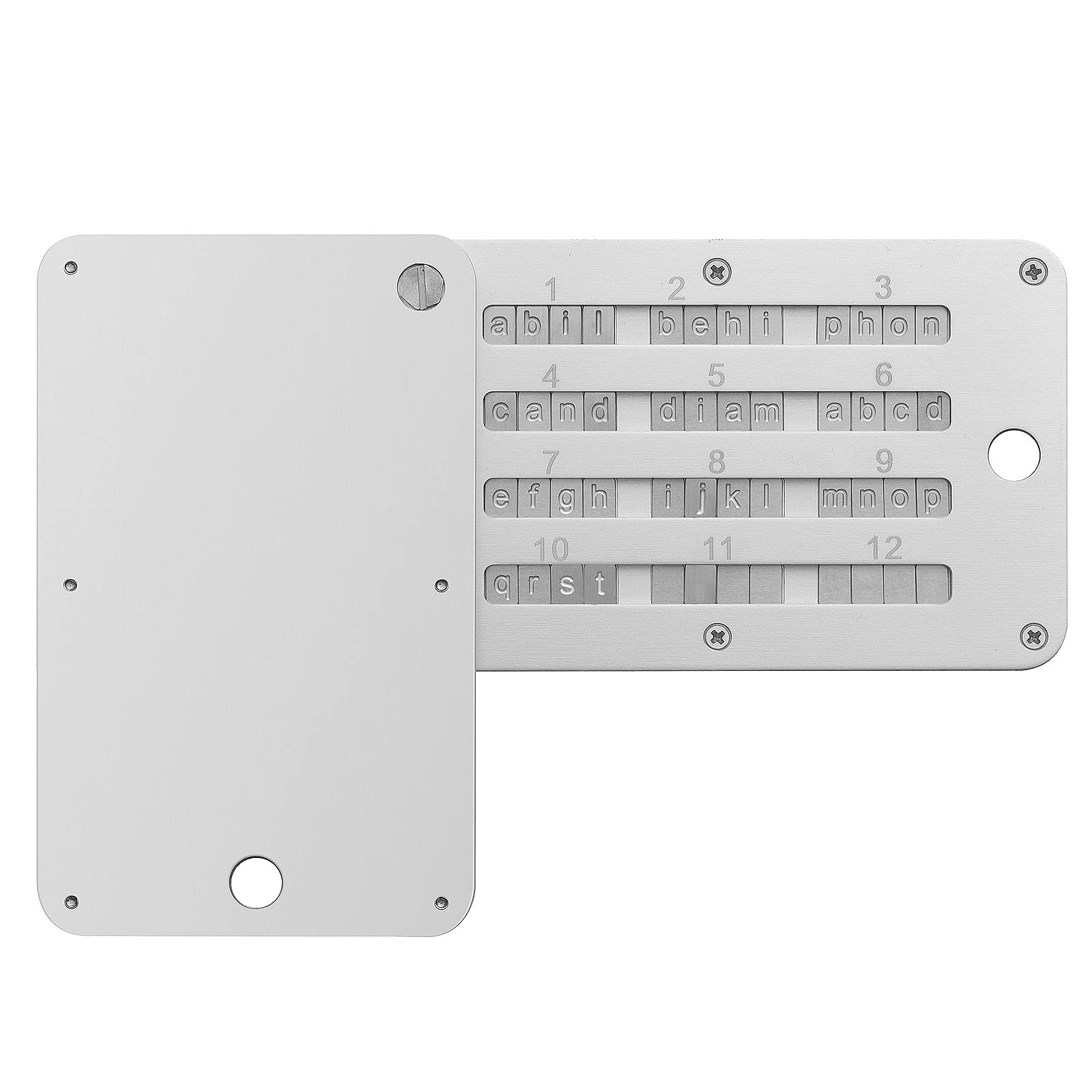
The most secure approach is self-custody. By holding stablecoins in a hardware wallet, you eliminate the risk of exchange insolvency or platform hacks. This shifts the responsibility of security entirely to you, requiring careful management of private keys. For those prioritizing safety over yield, keeping assets in cold storage is the only way to guarantee that your stablecoins remain yours, regardless of market conditions or regulatory changes.


As an Amazon Associate, we may earn from qualifying purchases.
Frequently asked questions about stablecoins
What are the top stablecoins in 2026? USDT, USDC, DAI, USDe, and PYUSD lead the market by supply. Ethereum remains the primary infrastructure for these assets, with issuers prioritizing regulatory compliance and reserve transparency to maintain stability.
What are the top 3 stablecoins? Tether (USDT), USD Coin (USDC), and Dai (DAI) are the dominant choices. USDT offers the highest liquidity, USDC provides strong institutional backing, and DAI maintains decentralization through over-collateralization.
Are stablecoins safe to hold in 2026? Safety depends on the issuer's audit practices. USDC and PYUSD (PayPal) offer high transparency, while USDT relies on its own reserve reports. Always verify the underlying assets before holding large positions.
How should I store stablecoins securely? Use a hardware wallet to remove your assets from exchange risk. Secure storage is critical for preserving capital in a high-stakes regulatory environment.


As an Amazon Associate, we may earn from qualifying purchases.
No comments yet. Be the first to share your thoughts!