5 Regulated Stablecoins for 2026: Safety and Yield Compared
Navigating the 2026 stablecoin landscape requires strict adherence to regulatory frameworks to mitigate counterparty and systemic risk. This analysis isolates five compliant assets, prioritizing verifiable reserve audits and legal clarity over speculative yield promises.
1. USDC: Circle's fully reserved institutional standard
USDC stands as the regulatory gold standard, backed 1:1 by cash and short-dated U.S. Treasuries. Circle’s monthly attestation reports provide transparency that institutional investors demand. This structure minimizes counterparty risk while offering seamless integration with traditional finance rails, making it the preferred choice for compliant treasury management and large-scale settlements in 2026.
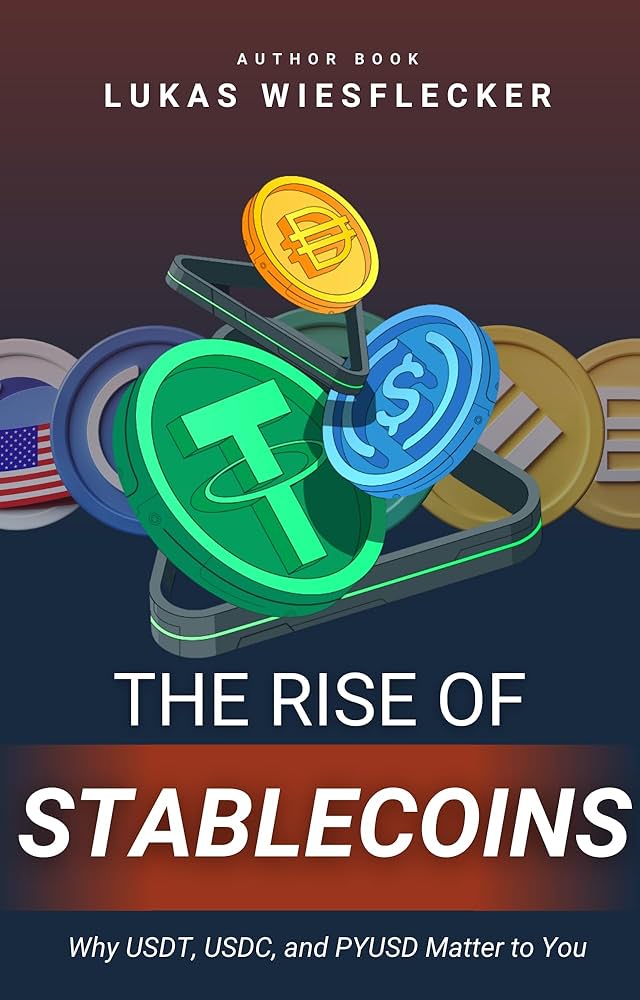
2. USDT: Tether's dominant trading volume and reserves
Despite past controversies, USDT remains the liquidity backbone of crypto markets, holding the largest market cap and trading volume. Tether’s recent reserve disclosures show a mix of commercial paper and U.S. Treasuries. Traders prioritize its ubiquity and deep order books, accepting the slight regulatory ambiguity for unparalleled execution speed and market access across global exchanges.
3. PYUSD: PayPal's compliant fiat-backed stablecoin entry
PayPal USD (PYUSD) leverages the tech giant’s existing compliance infrastructure to offer a user-friendly, regulated stablecoin. Backed by insured deposits and short-term Treasuries, it bridges mainstream e-commerce with crypto utility. PYUSD’s strength lies in its seamless integration into the PayPal ecosystem, offering merchants and consumers a familiar, secure payment method without leaving the platform.
4. DAI: MakerDAO's decentralized overcollateralized safety model
DAI operates independently of traditional banking, relying on overcollateralized crypto debt positions within the MakerDAO protocol. This decentralized model ensures resilience against centralized failures, though it requires users to manage collateral ratios. Sky’s 2026 upgrades enhance stability mechanisms, making DAI a robust choice for those prioritizing censorship resistance and algorithmic monetary policy over centralized oversight.
5. GUSD: Gemini's New York BitLicense regulated token
Gemini Dollar (GUSD) is issued by Gemini Exchange, holding a New York BitLicense, which imposes strict operational and capital requirements. This regulatory pedigree appeals to risk-averse institutions seeking a fully compliant, fiat-backed stablecoin. GUSD’s focus on legal clarity and regular audits provides a secure environment for enterprise-grade transactions, prioritizing regulatory adherence over speculative yield.
How we chose the best stablecoins
Selecting a regulated stablecoin for 2026 requires more than checking market capitalization. It demands a forensic examination of legal compliance, reserve backing, and operational liquidity. In an environment where regulatory scrutiny has intensified, the difference between a safe asset and a liability often comes down to the quality of its disclosures.
We evaluated candidates against three strict criteria. First, regulatory compliance determines whether the issuer operates under recognized frameworks, such as the EU’s MiCA or US state money transmitter licenses. Second, reserve transparency verifies that assets backing the token are held in high-quality liquid instruments, subject to regular attestation. Third, liquidity ensures the stablecoin can be redeemed or traded at scale without significant slippage, a critical factor for institutional and high-stakes users.
This methodology filters out speculative tokens that rely on opaque backing or unverified claims. We prioritized issuers who publish real-time or frequent attestations from reputable accounting firms. The goal is to identify assets that function as reliable digital cash, not just speculative instruments with a stable price anchor.
Yield potential and regulatory risk profiles
Evaluating stablecoins requires balancing yield generation against regulatory exposure. The selected assets operate under distinct legal frameworks, creating divergent risk-reward structures for institutional and retail holders.
The following comparison highlights the primary compliance and yield characteristics of the top five regulated stablecoins for 2026.
| Stablecoin | Primary Yield Source | Regulatory Status | Risk Profile |
|---|---|---|---|
| USDC | US Treasuries | Fully Reserved, US-Regulated | Low |
| USDT | Diversified Reserves | Global, Evolving Compliance | Medium |
| PYUSD | US Treasuries & Money Funds | US-Regulated (PayPal) | Low |
| DAI | Crypto Collateral & DeFi | Decentralized, On-Chain | High |
| GUSD | US Treasuries | NYDFS Chartered Trust | Low |
Regulatory clarity directly impacts yield sustainability. Assets backed by US-regulated entities like USDC and PYUSD offer transparent reserve reporting but are subject to stricter monetary policy shifts. Decentralized or globally distributed reserves, such as DAI or USDT, may offer different yield dynamics but carry higher compliance uncertainty.


As an Amazon Associate, we may earn from qualifying purchases.
Secure Your Stablecoin Holdings
Self-custody shifts the burden of security entirely to you. Unlike centralized exchanges, no third party safeguards your assets, meaning you must implement rigorous protection measures to prevent irreversible loss.
Use a Hardware Wallet
Store your stablecoins on a dedicated hardware wallet, such as a Ledger or Trezor device. These offline units keep your private keys isolated from internet-connected computers, shielding them from remote phishing attacks and malware.
Back Up Your Seed Phrase
Write your recovery seed phrase on paper or metal and store it in a secure, offline location. Never digitize this phrase; storing it in cloud storage, emails, or screenshots exposes your wallet to immediate compromise.
Verify Recipient Addresses
Always double-check the first and last characters of any destination address before sending funds. For large transfers, send a small test amount first to confirm the address is correct and the receiving platform supports the specific stablecoin network.
Common questions about stablecoins
Are regulated stablecoins truly safe?
Regulated stablecoins maintain their peg through transparent reserves and strict compliance frameworks. In 2026, safety depends on auditability and legal backing, not just market capitalization.
Do stablecoins offer yield?
Yes. Yield-bearing stablecoins distribute interest from reserve assets. This yield is distinct from trading profits and is often tied to government bond returns.
How does regulation affect stability?
Regulatory oversight reduces counterparty risk. Jurisdictions with clear stablecoin laws enforce reserve requirements, ensuring the asset remains backed 1:1 by liquid assets.
No comments yet. Be the first to share your thoughts!