Why stablecoin choice matters in 2026
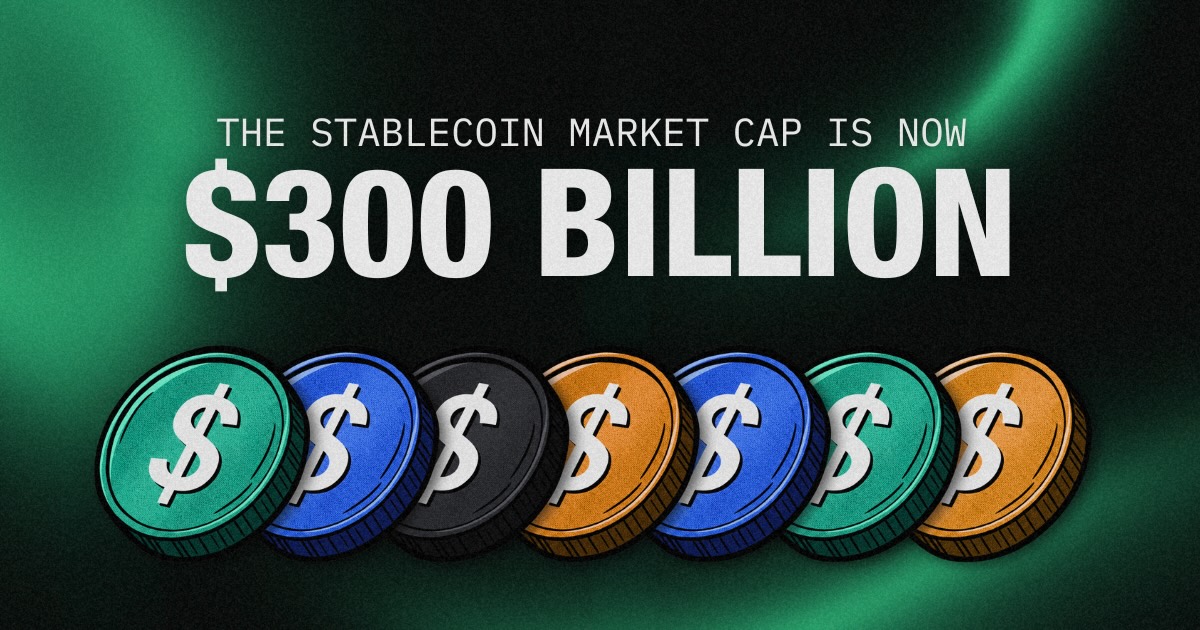
The stablecoin market has reached a critical inflection point. In 2026, "stable" no longer refers solely to a pegged price; it defines regulatory compliance, reserve transparency, and jurisdictional safety. Holding a stablecoin is now a financial decision with legal implications, not just a technical transaction.
The era of algorithmic experiments and opaque reserves is ending. Regulators in the United States and Europe are enforcing strict standards for fiat-backed assets. This shift favors established players like USDC, USDT, PYUSD, and RLUSD, which have committed to public attestations and clear compliance frameworks. Choosing the wrong stablecoin in this environment exposes holders to counterparty risk and potential loss of access.
Compliance is the new liquidity. In 2026, the safest stablecoins are those that publish regular, independent attestations of their reserves and operate within clear regulatory jurisdictions. This is not a suggestion; it is a requirement for institutional and serious retail adoption.
When selecting a stablecoin, prioritize those backed by high-quality liquid assets and audited by reputable firms. The difference between a compliant asset and a risky one is no longer just in the code—it is in the legal structure behind it.
5 Stablecoins to Hold in 2026: USDT, USDC, and the New Regulated Entrants
Navigating the 2026 stablecoin landscape requires strict adherence to regulatory jurisdiction and reserve transparency. This selection highlights USDT, USDC, PYUSD, and RLUSD based on official attestation reports from Circle, Tether, PayPal, and Ripple.
1. Tether USDT global liquidity dominance
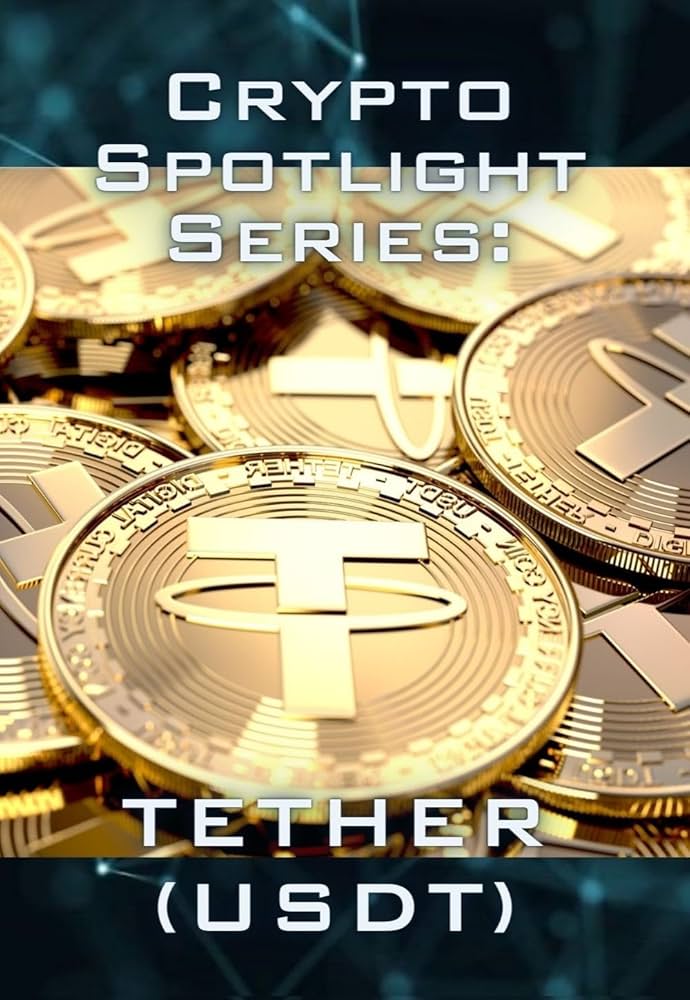
Tether (USDT) remains the backbone of global crypto liquidity, processing trillions in daily volume across major exchanges. Its dominance stems from deep market penetration and widespread acceptance as a trading pair. While regulatory scrutiny intensifies, Tether’s sheer scale ensures it stays the primary vehicle for rapid capital movement in volatile markets.
2. USD Coin USDC regulatory compliance standard
USD Coin (USDC) distinguishes itself through rigorous adherence to U.S. financial regulations and monthly attestation reports from Grant Thornton. Issued by Circle, it offers transparency that appeals to institutional investors wary of opaque reserve structures. This compliance-first approach positions USDC as the preferred stablecoin for regulated financial entities seeking legal clarity.

3. PayPal USD PYUSD fintech integration
PayPal USD (PYUSD) leverages PayPal’s vast user base to bring stablecoin utility to mainstream fintech. Backed by State Street and held in insured deposits and short-term U.S. Treasuries, PYUSD bridges traditional finance and crypto. Its integration within the PayPal ecosystem allows millions of users to transact with near-instant settlement and minimal friction.
4. Ripple USD RLUSD enterprise infrastructure
Ripple USD (RLUSD) targets enterprise-grade infrastructure, designed for high-volume cross-border settlements and institutional use cases. Built on the XRP Ledger, it aims to provide a compliant, scalable solution for banks and payment providers. RLUSD’s development focuses on interoperability and regulatory alignment, positioning it as a key player in the future of institutional digital assets.
5. Regulated stablecoin entrants 2026 landscape
The 2026 stablecoin landscape is defined by new entrants navigating evolving regulatory frameworks like the U.S. GENIUS Act and EU MiCA. These projects prioritize transparency, regular audits, and jurisdictional compliance to gain trust. Investors are shifting focus from pure liquidity to legal certainty, making regulated entrants critical for long-term portfolio stability in a maturing market.

Reserve Types and Regulatory Status
Selecting a stablecoin requires a clear understanding of reserve composition and jurisdictional oversight. The following table contrasts the top five stablecoins based on official attestation reports and regulatory filings.
| Token | Reserve Type | Regulatory Status | Primary Use |
|---|---|---|---|
| USDT | Cash, T-Bills, Commercial Paper | Limited oversight; offshore entity | Trading liquidity |
| USDC | Cash, Short-Term Treasuries | US-compliant; Circle attestations | DeFi and payments |
| PYUSD | Cash, Treasuries, Money Markets | US-regulated; PayPal compliance | Consumer payments |
| RLUSD | Cash, Treasuries | US-regulated; Ripple attestation | Institutional trading |
| DAI | Crypto Collateral, T-Bills | Decentralized; MakerDAO governance | DeFi collateral |
USDC and PYUSD maintain strict US regulatory compliance, offering monthly attestation reports that detail their reserve holdings. USDT operates with a broader mix of assets and faces less direct regulatory scrutiny, while DAI relies on a decentralized governance model. For enterprise payments, USDC and PYUSD are often preferred due to their transparent reserve structures and clear legal standing.
Stablecoin Safety and Selection
When selecting a stablecoin for 2026, focus on reserve transparency and regulatory jurisdiction rather than speculative growth. The following questions address common concerns regarding the safety of USDT, USDC, PYUSD, and RLUSD.
Helpful gear
Use these product recommendations as a starting point, then choose the size, material, and price point that fit how you actually use the gear.


As an Amazon Associate, we may earn from qualifying purchases.
No comments yet. Be the first to share your thoughts!