
Stablecoin regulation 2026
The regulatory landscape for stablecoins shifted from ambiguity to explicit federal oversight in 2026, primarily driven by the GENIUS Act. This legislation establishes a clear framework for payment stablecoins, treating permitted payment stablecoin issuers (PPSIs) as financial institutions for Bank Secrecy Act purposes. The Treasury Department’s proposed rules, published in March 2026, finalize the compliance requirements for issuers seeking to operate within the United States.
Under the new rules, only permitted issuers can issue payment stablecoins, effectively banning unregulated entities from the market. This creates a binary choice for users: use compliant stablecoins with full AML/KYC integration or stick to decentralized, non-compliant tokens that lack legal protection. For most mainstream users and institutional participants, the shift means that compliance is no longer optional but a prerequisite for stability and legal recourse.
The rise of yield-bearing stablecoins adds another layer to this regulatory environment. As users increasingly expect digital dollars to produce passive returns through tokenized Treasury exposure, regulators are scrutinizing how these yields are generated and reported. The distinction between a pure payment stablecoin and a yield-generating asset is becoming critical for determining which regulatory framework applies.
Stablecoin regulation 2026 choices that change the plan
The GENIUS Act, enacted in mid-2025, created a federal framework for payment stablecoins, but the actual rules depend on how agencies like the Treasury and OCC interpret compliance. The core tradeoff is between regulatory safety and operational flexibility. Issuers must now balance strict reserve requirements with the need to maintain liquidity for DeFi integrations.
Reserve transparency vs. yield generation
Under the GENIUS Act, permitted payment stablecoin issuers (PPSIs) must hold reserves in high-quality liquid assets. This ensures stability but limits the ability to generate yield. Issuers face a choice: prioritize full transparency with short-term Treasuries or seek higher returns through more complex, less liquid instruments that may attract regulatory scrutiny. The trend in 2026 shows a shift toward tokenized Treasury exposure, allowing users to earn passive returns while keeping reserves compliant.
Compliance costs vs. market access
Compliance with the Bank Secrecy Act (BSA) and anti-money laundering (AML) obligations requires significant infrastructure. Smaller issuers may struggle with the cost of real-time transaction monitoring and reporting. However, federal registration opens doors to institutional adoption and traditional banking partnerships. The tradeoff here is immediate operational expense versus long-term market credibility and access to deeper liquidity pools.
DeFi integration vs. centralized control
Regulation encourages stablecoins to integrate with traditional finance, but this often requires centralized points of control for compliance. DeFi protocols, which thrive on decentralization, may find it difficult to integrate with regulated issuers that require know-your-customer (KYC) checks. The decision point is whether to build bridges that require user identity verification or to remain isolated from regulated payment rails.
| Factor | Regulatory Safety | Operational Flexibility | Compliance Cost |
|---|---|---|---|
| Full Reserve Transparency | High | Low | Medium |
| Tokenized Treasury Yield | Medium | Medium | Low |
| DeFi Native (No KYC) | Low | High | Low |
| Institutional Bridge (KYC) | High | Low | High |
Decision framework
Choose full reserve transparency if your priority is institutional trust and regulatory compliance. Opt for tokenized Treasury yield if you want to balance safety with user incentives. Avoid DeFi-native models if you plan to integrate with traditional banking systems, as the compliance gap will be difficult to bridge. The federal framework favors issuers who can demonstrate robust AML controls, making compliance costs a necessary investment for mass adoption.
Choosing the Right Stablecoin for Your Use Case
Regulation is no longer a future possibility; it is the primary filter for stablecoin selection. The GENIUS Act establishes a clear federal framework, designating permitted payment stablecoin issuers (PPSIs) as financial institutions subject to the Bank Secrecy Act and anti-money laundering obligations [src-serp-2]. This legal clarity separates compliant assets from regulatory gray areas, making it essential to verify issuer status before integration.
For businesses and institutions, compliance is the baseline requirement. Using an unpermitted stablecoin introduces legal risk that outweighs any potential yield or convenience. The decision framework below outlines how to evaluate options based on your specific operational needs, from daily transactions to yield generation.

Before integrating any stablecoin, confirm the issuer is listed as a Permitted Payment Stablecoin Issuer (PPSI). The Treasury’s proposed rules under the GENIUS Act require strict adherence to reserve requirements and reporting standards. Non-compliant assets may face sudden delisting or legal restrictions, disrupting operations.
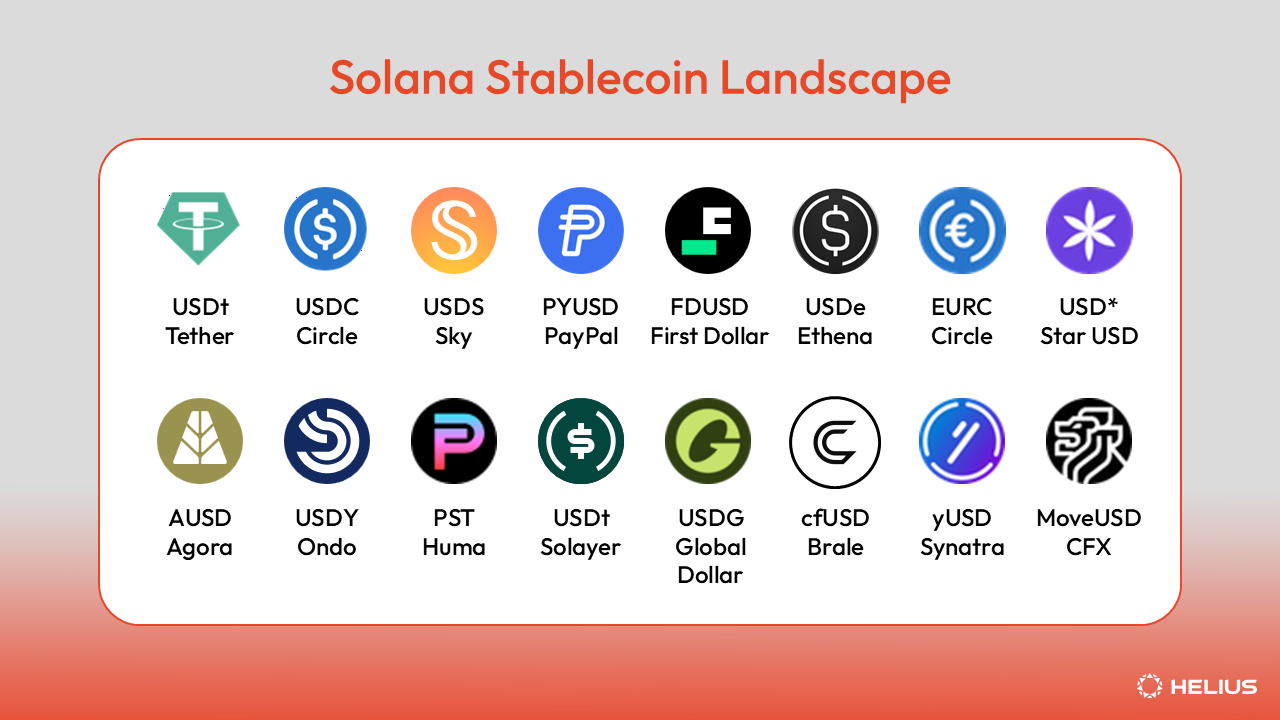
If passive returns are a priority, look for stablecoins integrated with tokenized Treasury exposure or institutional cash-management systems. Yield-bearing stablecoins are expanding rapidly in 2026, offering returns through on-chain lending and regulated financial products. Ensure the yield mechanism is transparent and does not compromise the principal’s stability.

For high-frequency transactions, prioritize stablecoins with low fees and fast settlement times. While Ethereum-based stablecoins offer security, their gas costs can be prohibitive for small transfers. Consider layer-2 solutions or alternative chains that support stablecoin payments with minimal friction, especially for cross-border or micro-transaction use cases.

Ensure the stablecoin is supported by your existing payment processors and DeFi protocols. Not all stablecoins are accepted everywhere. Major gateways like Visa have begun integrating stablecoin rails, but compatibility varies by region and platform. Verify that your chosen asset is widely accepted to avoid liquidity traps or conversion fees.
| Use Case | Key Priority | Recommended Action |
|---|---|---|
| Business Payments | Compliance | Select PPSI-issued stablecoins with clear reserve audits. |
| DeFi Yield | Return on Capital | Use stablecoins with integrated Treasury or lending yields. |
| Micro-Transactions | Speed and Cost | Choose layer-2 or low-fee chain stablecoins. |
Spotting Weak Stablecoin Options
The 2026 regulatory landscape under the GENIUS Act creates a clear divide between compliant and non-compliant assets. The Treasury’s proposed rule prohibits any person other than a permitted payment stablecoin issuer (PPSI) from issuing a payment stablecoin in the United States [src-serp-1]. This federal framework treats PPSIs as financial institutions, imposing strict anti-money laundering obligations under the Bank Secrecy Act [src-serp-2]. Many projects marketed as "stablecoins" fail to meet these new federal standards, offering weak options that carry significant legal and operational risks.
The Yield Trap
A major trend in 2026 is the rise of yield-bearing stablecoins, where users expect digital dollars to produce passive returns through tokenized Treasury exposure or on-chain lending. While attractive, these products often hide the underlying risk. If the yield comes from unregulated lending protocols or non-compliant custodians, the asset may not qualify for PPSI status. Investors should verify whether the yield source aligns with federal banking regulations rather than chasing higher returns on unverified platforms.
Compliance Checks
Before allocating capital, verify if the issuer is listed as a PPSI under the new Treasury guidelines. Look for explicit adherence to the Bank Secrecy Act requirements. Projects that rely on offshore jurisdictions or opaque reserve structures are likely non-compliant. The GENIUS Act aims to bring transparency to payment stablecoins, so any project avoiding federal oversight is a weak option. Prioritize assets with clear, auditable reserves and regulatory clarity over those promising unregulated yields.
Stablecoin regulation 2026: what to check next
The regulatory landscape for stablecoins shifted significantly in 2026 as agencies finalized rules under the GENIUS Act. This federal framework establishes clear boundaries for payment stablecoins, moving the market from experimental adoption to regulated utility. Understanding these changes is essential for navigating compliance and evaluating new yield-bearing products.
No comments yet. Be the first to share your thoughts!