5 Best Stablecoins 2026: Top Picks for Payments and Savings
Regulatory scrutiny of stablecoin reserves and jurisdictional compliance has intensified, making source verification critical for both payments and savings. We evaluate the top five stablecoins based on transparent, official attestations and primary regulatory filings to identify assets with the lowest legal risk.
1. Tether USDT deep liquidity analysis
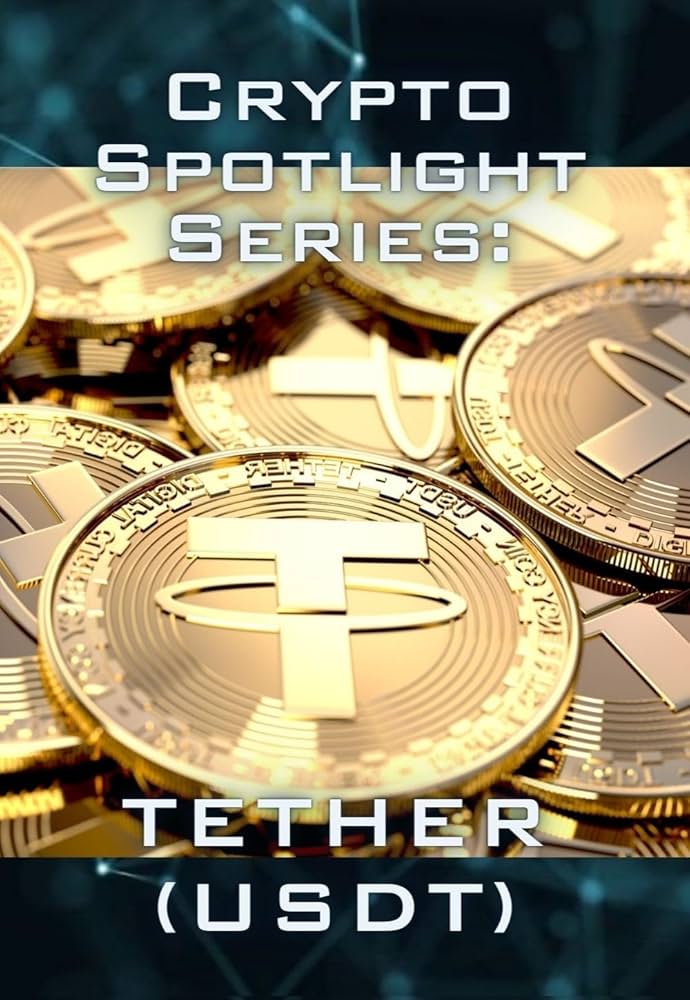
Tether (USDT) dominates global stablecoin volume, offering unparalleled liquidity for high-frequency trading and cross-border settlements. Its deep order books minimize slippage during volatile market conditions, making it the preferred vehicle for institutional arbitrage. However, users must navigate ongoing transparency debates regarding reserve backing. This analysis examines the operational mechanics and liquidity depth that sustain its market leadership in 2026.
2. USD Coin USDC regulatory compliance
USD Coin (USDC) distinguishes itself through rigorous regulatory adherence and monthly attestation reports from independent auditors. Issued by Circle, it provides a legally transparent framework favored by enterprises requiring strict KYC/AML compliance. Its reserve structure, held primarily in short-duration U.S. Treasuries, offers a secure alternative for institutional savings. This item evaluates USDC’s legal standing and its role in compliant digital asset management.
3. MakerDAO DAI decentralized collateral model
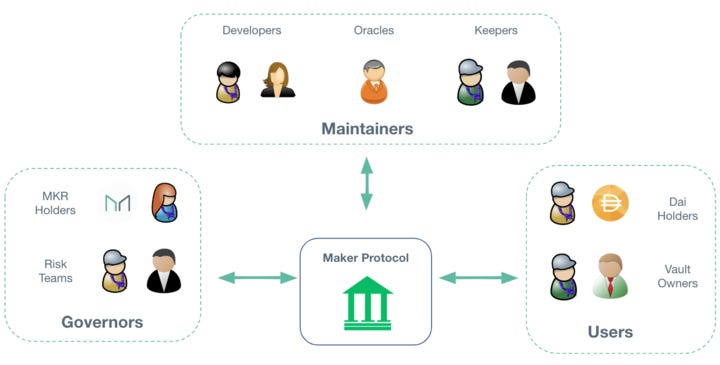
DAI operates as a decentralized stablecoin governed by MakerDAO, relying on a diversified basket of crypto-collateral rather than fiat reserves. This model ensures censorship resistance and algorithmic stability through smart contract automation. While it eliminates counterparty risk associated with centralized issuers, it introduces complexity regarding collateral liquidation thresholds. This section explores DAI’s decentralized architecture and its suitability for users prioritizing sovereignty over centralized oversight.
4. PayPal PYUSD integrated payment utility
PayPal USD (PYUSD) leverages PayPal’s vast existing user base to facilitate seamless on-ramp and off-ramp experiences for everyday commerce. Backed by U.S. Treasuries and cash deposits, it offers a familiar payment interface for millions of merchants and consumers. Its integration reduces friction for traditional users entering the stablecoin ecosystem. This item analyzes PYUSD’s utility within the PayPal network and its impact on mainstream digital payment adoption.

5. Binance USD BUSD operational status
Binance USD (BUSD) underwent significant regulatory scrutiny, leading to a cessation of new minting and a transition toward redemption. This item examines BUSD’s current operational status, focusing on the wind-down process and the implications for users holding the asset. Understanding the shift from active issuance to redemption is critical for assessing its current utility and liquidity in the 2026 market landscape.
How to pick the safest stablecoin
Choosing a stablecoin requires looking past marketing promises to verify regulatory standing and reserve transparency. In 2026, the legal landscape for digital assets is stricter than ever, making compliance a primary safety metric rather than an afterthought. Users should prioritize coins that operate with clear oversight from recognized financial authorities, as this reduces the risk of sudden delistings or frozen assets.
Regulatory clarity is the first filter. Coins like USDC have built their reputation on backing reserves with cash and short-dated U.S. Treasuries, subject to regular audits by major accounting firms. This structure aligns with evolving U.S. financial regulations, offering a layer of protection that less transparent competitors lack. When evaluating options, check if the issuer publishes monthly or quarterly attestation reports from independent third parties.
Reserve transparency is the second critical factor. A stablecoin’s peg to the dollar is only as strong as the assets backing it. Tether (USDT) remains the most widely used stablecoin by volume, but its reserve composition has faced scrutiny. While it has improved its reporting, investors should understand that its holdings include commercial paper and other instruments alongside cash. For payments and savings, the difference between fully cash-backed and mixed-asset reserves can impact liquidity during market stress.
Finally, consider the issuer’s jurisdiction and legal structure. Stablecoins issued by entities in strict financial hubs like New York or the EU generally adhere to higher compliance standards. This institutional backing provides recourse in case of technical failures or legal disputes. Always review the issuer’s whitepaper and legal disclosures to ensure the asset meets your specific risk tolerance for payments and savings.
Yield and Fees Comparison
Choosing a stablecoin requires balancing potential yield against regulatory safety and transaction costs. The following table compares the primary metrics for the top picks: USDC, USDT, PYUSD, and DAI.
| Stablecoin | Yield Potential | Typical Fees | Regulatory Status |
|---|---|---|---|
| USDC | Moderate | Low | Fully Audited |
| USDT | Low-Moderate | Low | Opaque Reserves |
| PYUSD | Low | Free (PayPal) | NYDFS Licensed |
| DAI | High | Variable | Decentralized |
Market capitalization data from CoinMarketCap confirms these assets dominate liquidity, but regulatory transparency varies significantly. USDC and PYUSD offer the clearest compliance frameworks, while DAI relies on over-collateralization rather than bank-held reserves. Always verify the current yield rates on your specific platform, as they fluctuate with market conditions.
Frequently asked questions about stablecoins
Helpful gear
Use these product recommendations as a starting point, then choose the size, material, and price point that fit how you actually use the gear.


As an Amazon Associate, we may earn from qualifying purchases.
No comments yet. Be the first to share your thoughts!