5 Regulated USD Pegs for Yield and Safety
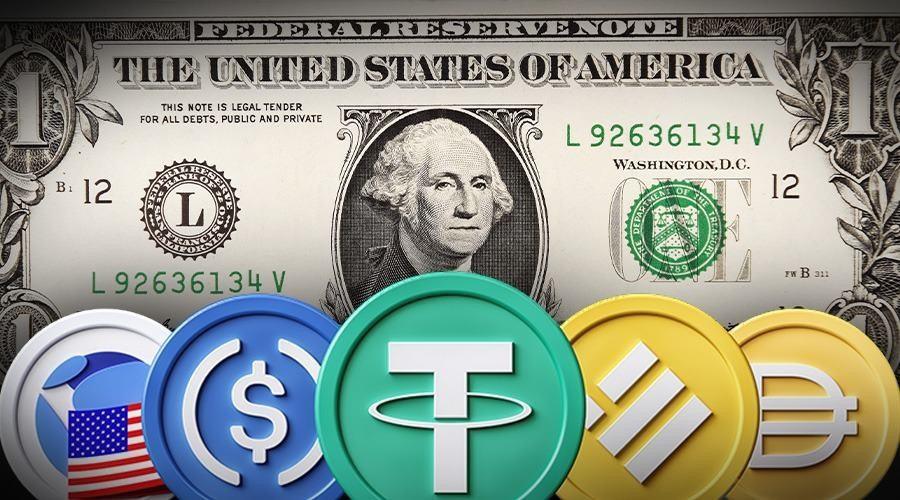
In 2026, regulatory scrutiny has bifurcated the stablecoin market, elevating fully reserved, audited assets above speculative alternatives. This section evaluates five compliant USD pegs—USDC, USDT, PYUSD, DAI, and USDe—prioritizing reserve transparency and legal defensibility over transient yield incentives.
1. USD Coin (USDC): The transparency leader
USDC, issued by Circle, prioritizes regulatory compliance through monthly attestations by Grant Thornton. Its reserves consist primarily of cash and short-term U.S. Treasuries, offering institutional-grade safety. This structure appeals to users seeking a transparent, regulated peg backed by publicly verifiable assets rather than opaque commercial paper.

2. Tether (USDT): The liquidity giant
Tether maintains the largest market capitalization among stablecoins, providing unmatched liquidity across global exchanges. While historically criticized for reserve opacity, recent reports indicate a shift toward holding predominantly U.S. Treasury bills. Users prioritize its deep order books for high-volume trading, accepting slightly higher counterparty risk for superior market depth.
3. PayPal USD (PYUSD): The regulated fintech option
PYUSD operates under New York State Money Transmitter Law, offering a familiar on-ramp for PayPal users. Its regulatory framework provides a layer of legal security absent in many decentralized alternatives. This integration allows seamless fiat-to-crypto conversions within the PayPal ecosystem, appealing to mainstream users prioritizing institutional oversight and ease of access.

4. Dai (DAI): The decentralized alternative
DAI, governed by MakerDAO, maintains its peg through overcollateralized crypto assets and smart contract automation. Unlike centralized issuers, its reserve composition is visible on-chain, offering transparency without a central authority. This decentralized structure appeals to users seeking censorship resistance and algorithmic stability, though it introduces complexity regarding collateral volatility management.

5. Ethena (USDe): The yield-bearing synthetic
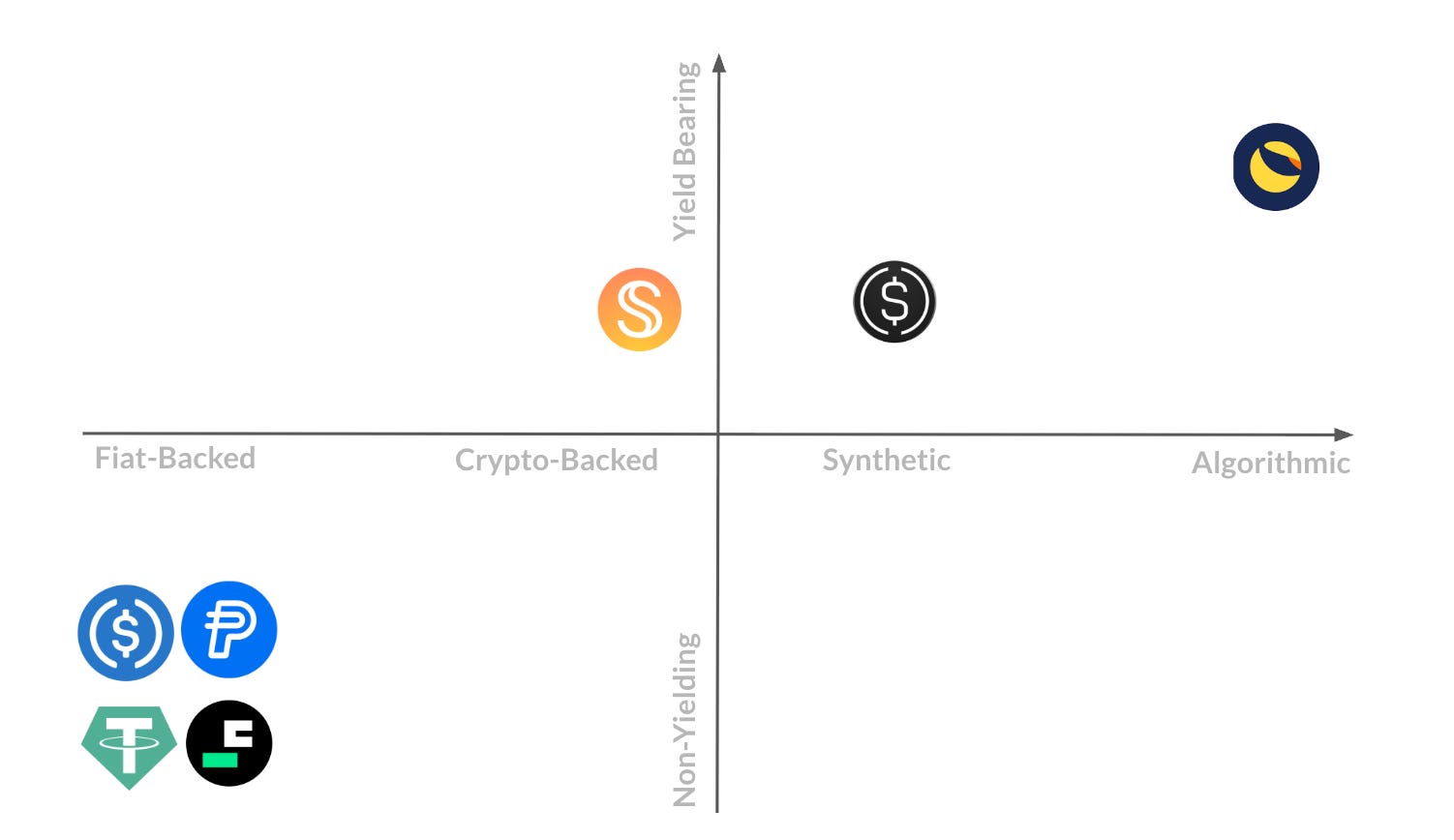
USDe generates yield by shorting Ethereum futures while holding spot ETH, creating a synthetic dollar peg. This mechanism offers passive income to holders without relying on traditional interest-bearing reserves. While innovative, it introduces basis risk and smart contract exposure, requiring users to understand the complex derivatives strategy underpinning its stability.
How to pick a stablecoin in 2026
The stablecoin landscape has shifted. In 2026, market capitalization is no longer the sole indicator of safety. Regulatory clarity and reserve transparency have become the primary filters for investors seeking yield and security. With frameworks like MiCA in Europe and evolving US regulations, the margin for error has narrowed significantly. Holding a token without verified backing is no longer a viable strategy for risk-averse portfolios.
When evaluating options like USDC, USDT, DAI, USDe, or PYUSD, look beyond the peg. Examine the composition of the reserves. Are they held in short-term US Treasuries, cash, or commercial paper? Does the issuer publish monthly attestation reports or quarterly audits? For instance, Circle’s regular attestations for USDC and PayPal’s transparent backing for PYUSD provide a clearer picture of liquidity than opaque whitepapers. Decentralized protocols like DAI must demonstrate sufficient collateralization ratios to withstand market shocks.
Prioritize issuers that have engaged with regulators rather than those operating in gray areas. Compliance reduces the risk of sudden delistings or frozen assets. By focusing on these structural safeguards, you ensure that your stablecoin holdings remain functional and secure, regardless of broader crypto market volatility.
Compare stablecoin reserves and yields
Selecting a stablecoin requires balancing liquidity against regulatory clarity. The five assets below—USDC, USDT, PYUSD, DAI, and USDe—represent distinct approaches to maintaining a dollar peg. Their reserve structures and yield mechanics vary significantly, impacting both safety and potential returns.
The following comparison outlines the issuer, reserve composition, regulatory standing, and typical yield ranges for each asset. This data reflects current market structures as of 2026.
| Asset | Issuer | Reserve Type | Regulatory Status | Typical Yield Range |
|---|---|---|---|---|
| USDC | Circle | US Treasuries & cash | US Regulated (NYDFS) | 3-5% (via lending protocols) |
| USDT | Tether | Commercial paper & bonds | Limited transparency | 0-2% (limited protocols) |
| PYUSD | PayPal | US Treasuries & cash | US Regulated (NYDFS) | 3-5% (via lending protocols) |
| DAI | MakerDAO | Crypto & tokenized assets | DeFi Governance (Multi-collateral) | Variable (Protocol Stabilities) |
| USDe | Ethena | Crypto & staking yields | Emerging DeFi Framework | 5-15% (Delta Hedged) |
Frequently asked questions about stablecoins
Helpful gear
Use these product recommendations as a starting point, then choose the size, material, and price point that fit how you actually use the gear.


As an Amazon Associate, we may earn from qualifying purchases.
No comments yet. Be the first to share your thoughts!