5 Stablecoins for 2026: USDC, DAI, and Emerging USD-Backed Assets
In 2026, stablecoin selection demands rigorous due diligence amid shifting regulatory frameworks and volatile yield environments. This analysis evaluates USDC, DAI, and PYUSD against primary source data, prioritizing capital preservation and compliance over speculative returns.
1. USDC regulatory compliance and Circle reserves
USDC anchors stability through rigorous regulatory adherence and fully backed reserves. Circle maintains monthly attestation reports, offering institutional-grade transparency that mitigates counterparty risk. This structural integrity makes it a preferred vehicle for enterprise treasury management, ensuring liquidity remains secure against market volatility while complying with evolving financial regulations.

2. DAI decentralized governance and MakerDAO dynamics
DAI operates on a decentralized framework, relying on collateralized debt positions rather than fiat deposits. MakerDAO’s governance model allows token holders to vote on risk parameters, creating a resilient, algorithmic stability mechanism. While this decentralization offers censorship resistance, users must monitor collateralization ratios closely to prevent liquidation events during sharp market downturns.

3. PYUSD PayPal integration and fiat backing
PayPal USD (PYUSD) leverages the massive existing user base of PayPal for seamless fiat on-ramps. Backed by cash and short-dated U.S. Treasuries, it offers familiar accessibility for retail investors. However, its centralized nature means reliance on PayPal’s operational continuity and regulatory standing, contrasting sharply with open-source alternatives in the stablecoin ecosystem.
4. FDUSD Coinbase custody and liquidity depth
First Digital USD (FDUSD) benefits from deep integration within the Coinbase exchange, providing exceptional liquidity for high-frequency traders. Its custody arrangements aim to simplify institutional adoption, though users should remain aware of the centralized issuer model. The token’s primary advantage lies in its trading volume and ease of conversion within major exchange ecosystems.
5. GUSD Gemini insured reserves and audits
Gemini Dollar (GUSD) distinguishes itself through insured reserves and regular third-party audits, appealing to security-conscious investors. Issued by the regulated Gemini exchange, it combines banking-grade security with blockchain efficiency. While its market cap is smaller than competitors, its commitment to transparency and regulatory compliance offers a robust option for conservative stablecoin holders.
Choosing safe stablecoins in 2026
Selecting a stablecoin in 2026 requires a shift from chasing the highest yield to prioritizing regulatory clarity and reserve transparency. The market has matured, and the primary filter for safety is no longer just liquidity depth, but the legal framework underpinning the asset. For institutional and retail investors alike, the risk of de-pegging due to regulatory scrutiny or opaque reserve management is the most significant threat to capital preservation.
Regulatory compliance has become the definitive safety metric. Assets like USDC have gained prominence by aligning with US regulatory standards, offering a level of legal certainty that was absent in earlier crypto cycles. In contrast, other major players face ongoing legal challenges or operate in jurisdictions with less clear oversight. When evaluating options, scrutinize the issuer’s compliance history and the regularity of their attestation reports. A stablecoin that lacks clear legal standing is a liability, not a safe haven.
Reserve transparency is equally critical. The era of "trust us" is over. Investors must demand proof that every token in circulation is backed by high-quality, liquid assets. Look for issuers that provide monthly or quarterly attestations from reputable third-party auditors. The composition of these reserves matters: cash and short-term US Treasuries offer the highest safety profile, while commercial paper or corporate debt introduces unnecessary credit risk. Even with strong backing, yield-bearing stablecoins carry inherent risks; higher returns often correlate with lower reserve quality or greater complexity in the backing assets.
In this environment, specific assets stand out for their adherence to these strict standards. USDC, DAI, and emerging regulated alternatives like PYUSD are leading the charge by providing the transparency and legal clarity that define safety in 2026. As you evaluate your options, remember that the safest stablecoin is one that can withstand regulatory pressure and market stress without compromising its peg or its backing.
Generate Yield from Stablecoins
Generating yield from stablecoins in 2026 requires navigating a fragmented landscape where regulatory scrutiny has tightened around traditional DeFi lending protocols. The era of blind trust in unverified smart contracts has ended; today, yield strategies must be anchored in transparent, compliant infrastructure. For holders of USDC, DAI, or emerging assets like PYUSD, the path to income is no longer about finding the highest APY, but about balancing liquidity needs against counterparty risk.
The most direct yield source remains on-chain lending, but the 2026 environment favors protocols with clear regulatory licenses. Platforms like Aave V3 or Compound III offer USDC and DAI lending, but yields are now tethered to real-world asset (RWA) returns rather than speculative demand. Always verify the protocol’s reserve reports and insurance fund status before depositing capital.
For those seeking higher yields, liquid staking derivatives like Ethena’s USDe provide a synthetic dollar pegged to staked ETH. This strategy captures the base yield of Ethereum staking plus potential basis trading gains. However, this introduces smart contract and de-pegging risks that do not exist in pure lending models. Treat these as satellite positions, not core holdings.
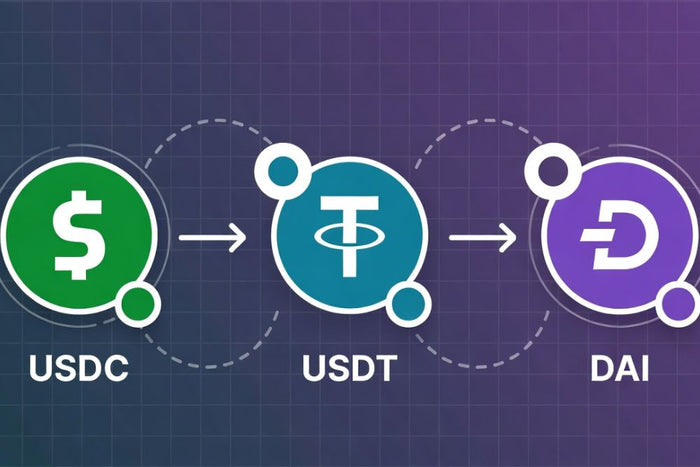
Emerging products from traditional finance entrants, such as PayPal’s PYUSD integrated into Money Market Funds, offer a bridge between crypto efficiency and institutional safety. These vaults often pass through Treasury bill yields directly to token holders. While the APY may be lower than aggressive DeFi strategies, the regulatory clarity and custody solutions significantly reduce the risk of total capital loss.
The choice of strategy depends on your risk tolerance. If you prioritize capital preservation, stick to regulated lending protocols or RWA-backed vaults. If you can absorb volatility, synthetic derivatives offer higher returns but require active monitoring. Always diversify across at least two different protocols to mitigate smart contract risk.
Regulatory risks and reserve audits
Stablecoins are only as reliable as their backing assets. In 2026, regulatory scrutiny has intensified, making regular attestation a non-negotiable standard for any USD-backed asset. Investors must distinguish between coins with transparent, audited reserves and those relying on opaque commercial paper or unverified claims.
USDC (Circle) and PYUSD (PayPal) lead the market in compliance, publishing monthly attestation reports from major accounting firms. These documents verify that every token in circulation is backed by equivalent cash and short-term U.S. Treasuries. This level of transparency provides a critical safety net during market volatility.
Conversely, assets with inconsistent audit schedules or vague reserve compositions pose significant risks. The collapse of previous stablecoins serves as a stark reminder that liquidity can vanish overnight if reserves are insufficient or illiquid. Always verify the latest attestation reports before committing capital to any stablecoin.
Top 5 Stablecoins for 2026
Stablecoins function as the plumbing of digital finance, but not all plumbing is built to the same code. In 2026, the landscape has shifted from pure speculation to regulatory compliance and yield transparency. The five assets below represent the current standard for liquidity, reserve quality, and institutional adoption.
| Stablecoin | Reserve Model | Primary Use Case | 2026 Regulatory Status |
|---|---|---|---|
| USDC | Cash & Short-Term Treasuries | Institutional settlement, DeFi collateral | Fully compliant (Circle) |
| USDT | Mixed Reserves (Cash, Treasuries, Commercial Paper) | High-volume trading, cross-border payments | Evolving (Tether) |
| DAI | Over-collateralized Crypto (ETH, WBTC) | Decentralized finance, yield farming | Regulated (MakerDAO) |
| PYUSD | Cash & Treasuries | Consumer payments, merchant adoption | Compliant (PayPal) |
| FDUSD | Cash & Treasuries | Exchange liquidity, trading pairs | Compliant (FTX Estate) |
1. USDC (USD Coin) USDC remains the gold standard for transparency. Issued by Circle, it maintains a 1:1 peg backed by cash and short-term U.S. Treasuries. Its strict regulatory framework makes it the preferred choice for institutional players and regulated DeFi protocols.
2. Tether (USDT) USDT holds the largest market cap, offering unmatched liquidity across exchanges. While its reserve composition has faced scrutiny, it remains the dominant pair for trading. Use it for volume, but monitor its quarterly attestation reports closely.
3. DAI DAI is the leading decentralized stablecoin, backed by over-collateralized crypto assets rather than traditional bank deposits. It offers exposure to DeFi yields but carries smart contract risk. It is ideal for users who prioritize censorship resistance.
4. PayPal USD (PYUSD) PYUSD bridges traditional finance and crypto through PayPal’s massive user base. Backed by cash and treasuries, it is designed for everyday payments and merchant settlements. Its growth is tied directly to PayPal’s regulatory approvals in key jurisdictions.
5. First Digital USD (FDUSD) FDUSD emerged as a key liquidity provider for major exchanges. Backed by cash and treasuries, it offers low fees for traders. Its smaller market cap compared to USDC and USDT means slightly higher slippage on large orders.


As an Amazon Associate, we may earn from qualifying purchases.
Stablecoin safety and yield: what to check next
Investors often confuse stability with safety. While USDC, DAI, and PYUSD maintain their pegs, the underlying mechanisms differ significantly. USDC relies on regulated custodians and short-term Treasuries, offering transparency but introducing counterparty risk. DAI uses over-collateralized crypto assets, which can face liquidation cascades during extreme volatility. PYUSD, issued by Paxos for PayPal, operates under federal money transmitter licenses, providing a regulated bridge between traditional finance and crypto. Always verify the reserve composition before allocating capital.
Yield opportunities in 2026 are no longer guaranteed. With the Federal Reserve adjusting interest rates, yields on stablecoin-backed Treasuries fluctuate. Platforms offering high APYs often expose users to smart contract risk or depegging events. For example, while some protocols offer double-digit yields, these are not insured by the FDIC. Treat yield as a bonus, not a principal guarantee. Diversify across issuers and avoid locking funds in unverified lending pools.
Regulatory clarity is improving but remains fragmented. The 2026 landscape favors fully reserved, audible stablecoins. Avoid assets with opaque reserves or those tied to unstable jurisdictions. Stick to issuers with public attestation reports and clear legal structures. This caution protects your principal against regulatory crackdowns or issuer insolvency.
No comments yet. Be the first to share your thoughts!