5 Best Stablecoins 2026: Top 5 Picks for Yield and Safety
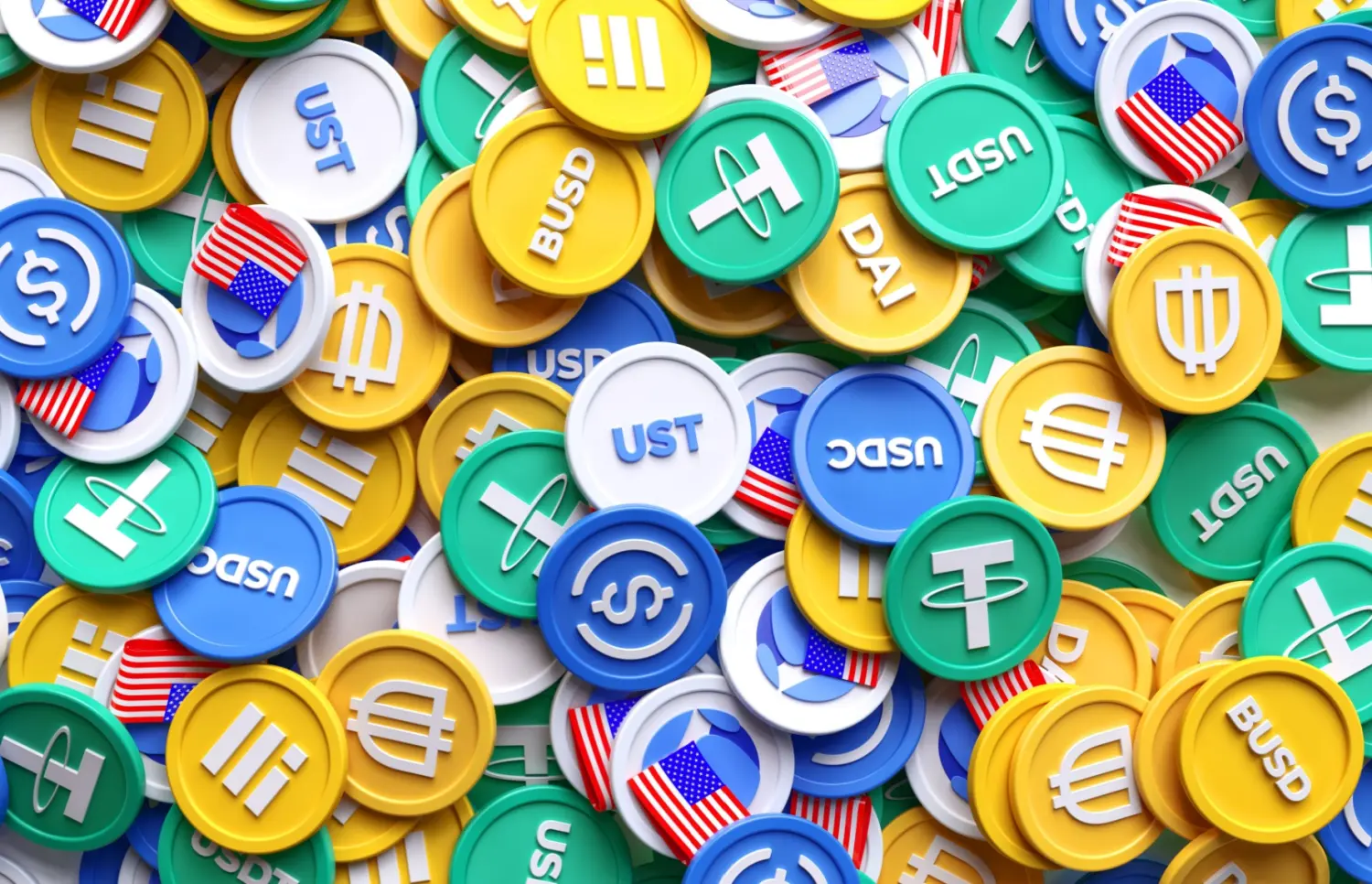
In 2026, selecting the Best Stablecoins requires balancing regulatory compliance with yield potential. This roundup identifies the top five picks for safety and returns based on official reserve audits and primary issuer disclosures.
1. USD Coin (USDC) for transparency
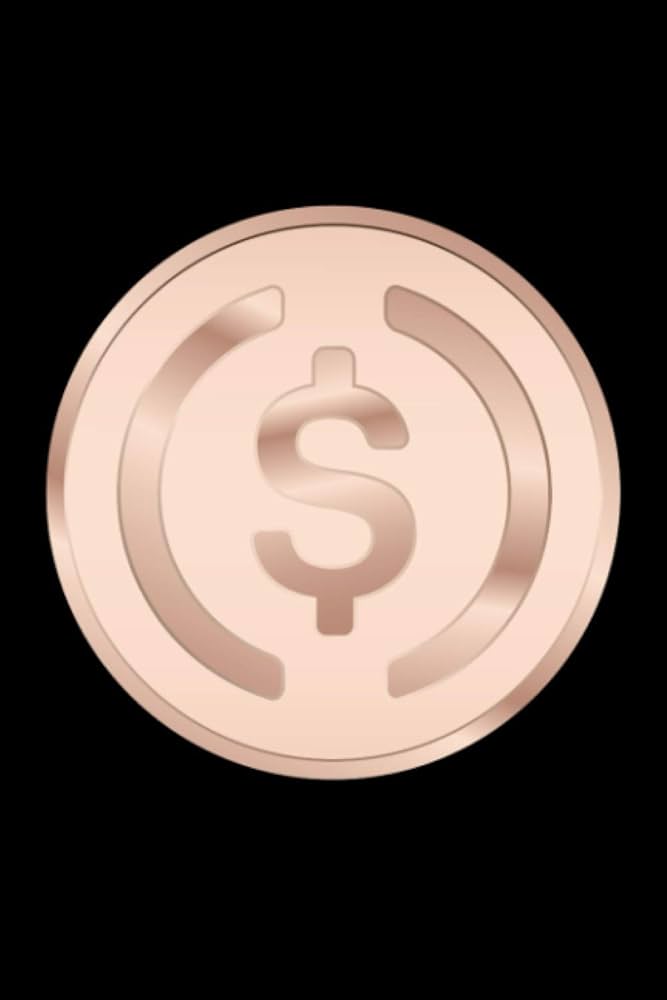
USDC stands out for its rigorous monthly attestation reports, offering investors a clear view of reserve composition. This commitment to regulatory compliance makes it a preferred choice for institutional players seeking stability without hidden risks. The visual identity reflects its clean, audited nature.
2. Tether (USDT) for liquidity
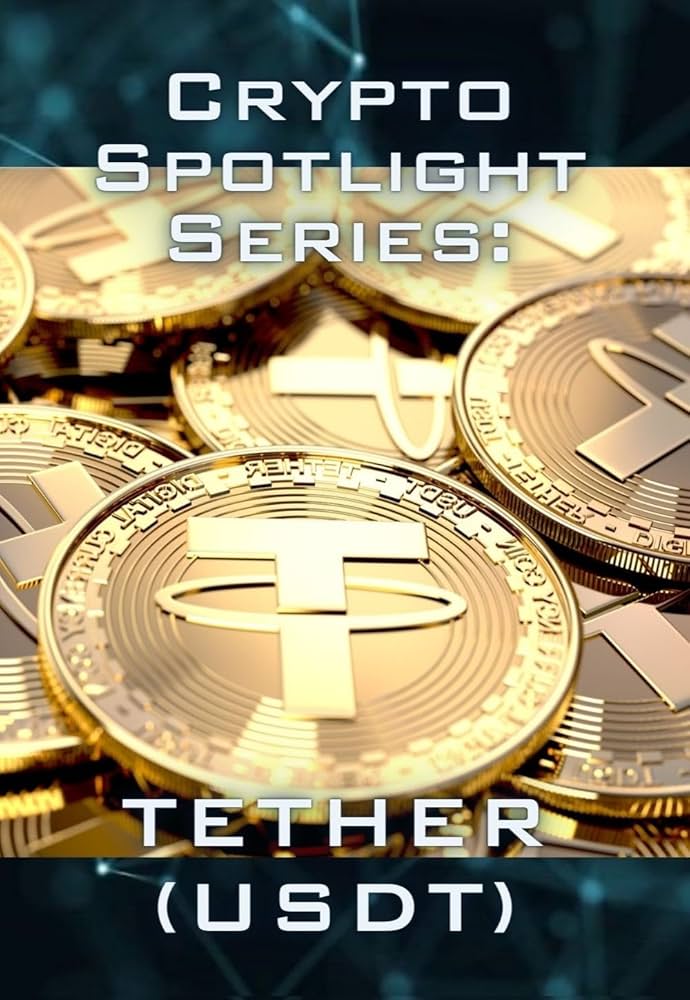
Tether remains the dominant force in crypto trading pairs due to its unparalleled market depth. When speed and immediate execution are critical, USDT provides the necessary volume to minimize slippage. Its widespread adoption ensures that traders can enter or exit positions efficiently across major exchanges.
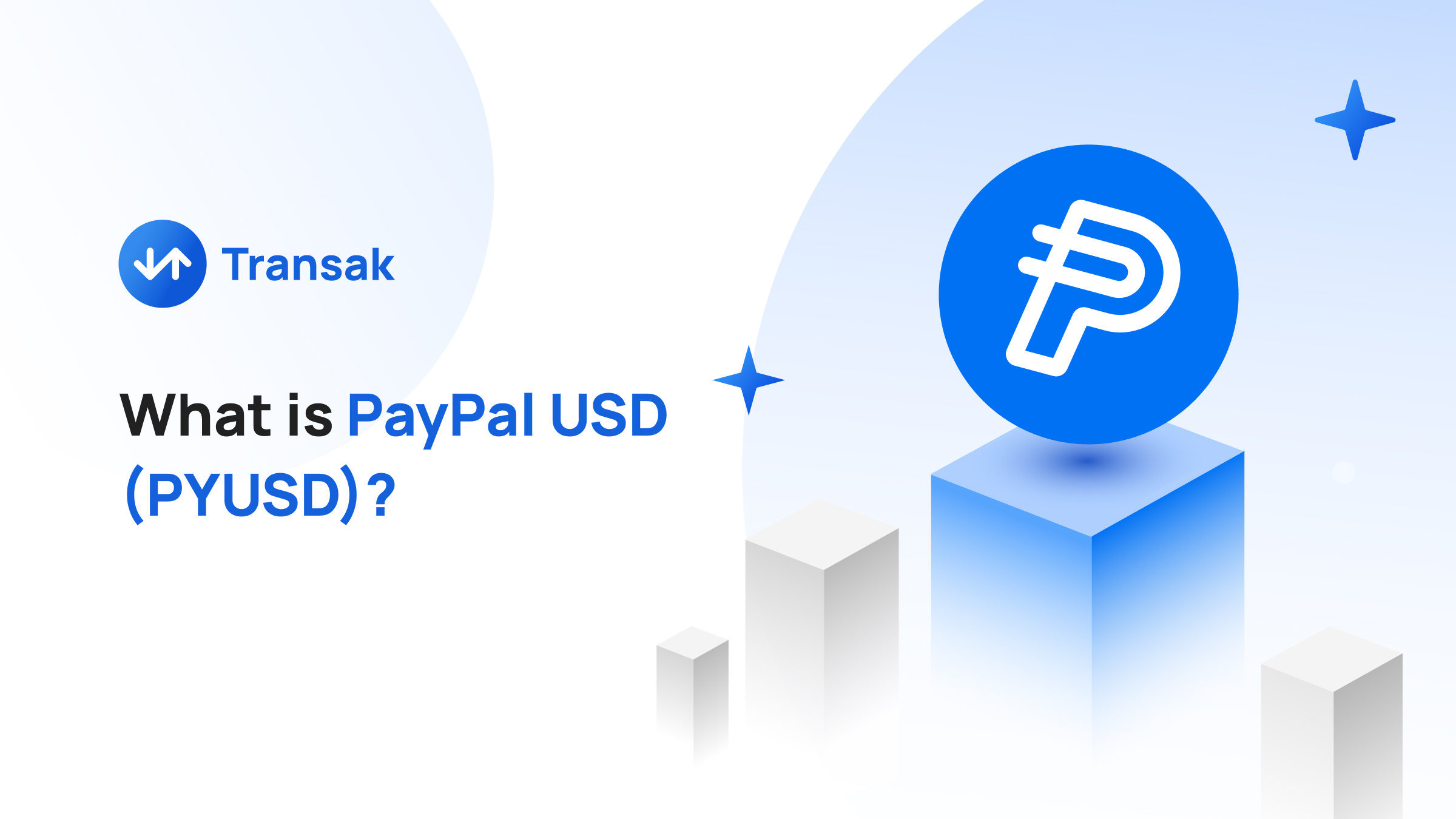
3. PayPal USD (PYUSD) for enterprise trust
Backed by a publicly traded fintech giant, PYUSD bridges traditional finance and digital assets with familiar trust signals. Its integration into the PayPal ecosystem allows seamless movement between bank accounts and crypto wallets, reducing friction for everyday users. This accessibility makes it a practical tool for mainstream adoption.
4. Dai (DAI) for decentralized control
DAI operates without central oversight, relying on smart contracts and collateralized debt positions to maintain its peg. This decentralized structure appeals to privacy-conscious users who prioritize autonomy over corporate governance. The system’s resilience is tested through various market cycles, proving its robustness in unpredictable economic conditions.

5. Frax Finance (FRAX) for hybrid stability
Frax combines algorithmic mechanisms with collateral backing to create a flexible stablecoin model. This hybrid approach allows for dynamic adjustments to maintain stability during market volatility. The ecosystem’s adaptability offers users a unique alternative to fully collateralized or purely algorithmic options.
How we chose the best stablecoins
Selecting the top five stablecoins for 2026 required looking beyond simple market capitalization. While size indicates popularity, it does not guarantee safety or yield potential. We evaluated each candidate against three strict criteria: regulatory compliance, reserve transparency, and sustainable yield generation.
Regulatory compliance is no longer optional. In 2026, stablecoins operating under clear frameworks like the US’s GENIUS Act or the EU’s MiCA regulation offer significantly lower counterparty risk. We prioritized issuers that publish regular, attested reserve reports rather than relying on self-reported summaries. This transparency ensures that every token in circulation is backed by high-quality, liquid assets.
Yield potential was the final filter. Many stablecoins offer no return, forcing users to seek yield through risky DeFi protocols. We selected coins that provide native yield or integrate seamlessly with compliant yield-bearing infrastructure. This approach balances safety with the ability to grow capital without exposing users to smart contract exploits or unregulated lending platforms.
Our final list includes USDC, USDT, DAI, PYUSD, and USDe. These five represent the current standard for stability, offering a mix of institutional backing, decentralized governance, and regulatory clarity. Each has been vetted for its ability to maintain its peg during market volatility while providing transparent evidence of its reserves.
Comparing yield and regulatory risk
Choosing a stablecoin requires balancing the desire for yield against the reality of regulatory scrutiny. The five selected options—USDC, USDT, PYUSD, DAI, and FRAX—offer distinct trade-offs between transparency, decentralization, and yield potential.
The table below outlines the core differences in their structure and legal standing.
USDC and PYUSD stand out for their regulatory clarity, as both are issued by entities licensed in New York and backed by highly liquid US government debt. This structure offers peace of mind for risk-averse users, though yields are typically derived from third-party lending protocols rather than the issuer itself.
In contrast, DAI and FRAX provide higher yield potential through their decentralized nature, but they introduce smart contract risk and complex collateral mechanics. USDT remains the most liquid option for trading but lacks the same level of regulatory transparency as its peers.



As an Amazon Associate, we may earn from qualifying purchases.
For investors prioritizing safety, USDC and PYUSD offer the most straightforward path. Those comfortable with technical risk may find higher returns in DAI or FRAX, provided they understand the underlying collateral mechanics.
No comments yet. Be the first to share your thoughts!