
Stablecoin regulation 2026: The GENIUS Act framework
The regulatory landscape shifted in 2026 with the implementation of the GENIUS Act, which established the first comprehensive federal framework for payment stablecoins. Instead of relying on patchwork state laws, the legislation directs the U.S. Treasury to issue specific rules governing how stablecoin issuers must hold reserves and manage risk. This federal preemption simplifies compliance for issuers but introduces strict oversight that was previously absent from the market.
Under the new rules, stablecoin issuers are required to maintain reserves backed by cash and short-term U.S. Treasury securities. The law also grants stablecoin holders priority over other creditors in the event of an issuer’s bankruptcy, a provision designed to protect consumers and restore confidence in digital dollar pegs. These measures aim to prevent the liquidity crises that have historically plagued the industry.
Compliance deadlines are approaching rapidly. Proposed rules published in early 2026 set a May 1, 2026, deadline for issuers to demonstrate adherence to the new reserve and custody standards. This timeline creates a clear inflection point for USDC and USDT, forcing issuers to either fully align with federal requirements or face exclusion from the regulated financial system.
Stablecoin regulation 2026 choices that change the plan
The GENIUS Act, signed into law on July 18, 2025, established the first federal framework for payment stablecoins. It prioritizes stability by requiring 1:1 backing in cash or short-term Treasuries and granting holders priority in bankruptcy. This legal certainty is a major advantage for institutions, but it comes with significant operational tradeoffs that issuers must navigate.
Treasury proposed rules in March 2026 to implement these requirements. The regulations focus on strict Anti-Money Laundering (AML) and sanctions compliance. Issuers must now verify user identities and monitor transactions in real time. This adds complexity to the user experience and increases compliance costs. The goal is to prevent illicit finance, but the burden falls heavily on the issuer’s infrastructure.
| Feature | USDT (Tether) | USDC (Circle) |
|---|---|---|
| Regulatory Status | Operating under federal framework | Fully compliant with GENIUS Act |
| Reserve Composition | Cash, Treasuries, commercial paper | Primarily cash and Treasuries |
| Banking Partners | Limited, fragmented network | Strong, regulated US banking ties |
| Transparency | Monthly attestations | Monthly audits, real-time proof |
| Compliance Cost | High (legacy system upgrades) | Moderate (built-in compliance) |
The table above highlights the core differences. USDC’s integrated banking partnerships and real-time transparency align closely with the new regulatory expectations. USDT, while dominant in volume, faces higher friction in adapting its legacy systems to federal AML standards. For a business or developer, choosing a stablecoin is no longer just about market cap—it’s about regulatory resilience.
| Feature | USDT | USDC |
|---|---|---|
| Reserve Backing | Cash, Treasuries, CP | Cash, Treasuries |
| Banking Ties | Limited | Strong US Banks |
| Transparency | Monthly Attestations | Monthly Audits |
The choice between these two assets depends on your risk tolerance. If you need maximum liquidity and broad exchange support, USDT remains the default. If you prioritize regulatory clarity and institutional trust, USDC is the safer bet. The 2026 landscape rewards transparency, making the tradeoff clear for compliant operations.
Choose the next step
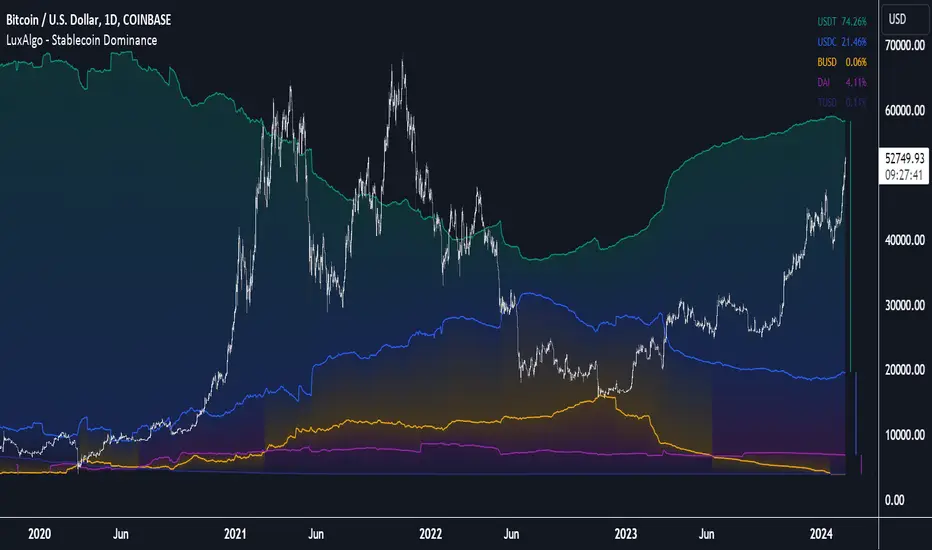
Stablecoin Dominance works best as a clear sequence: define the constraint, compare the realistic options, test the tradeoff, and choose the path with the fewest hidden costs. That order keeps the advice usable instead of decorative. After each step, pause long enough to check whether the recommendation still fits the reader's actual situation. If it depends on perfect timing, unusual access, or a best-case budget, include a simpler fallback.
Spotting Misleading Stablecoin Claims
The regulatory landscape for USDC and USDT is shifting, but not all market commentary reflects the new reality. With the GENIUS Act implementation underway, investors are increasingly targeting payment stablecoins as a regulated asset class. However, the surge in issuance forecasts—projected to reach $500 billion by 2026—has also attracted speculative noise. You need to distinguish between actual regulatory compliance and marketing hype.
One common mistake is conflating utility tokens with stablecoins. For instance, XRP is often mistakenly categorized as a stablecoin. It is not. Its value is determined by supply and demand, not pegged to the US dollar. RLUSD, built on the XRP Ledger, is a separate stablecoin asset. Confusing these assets can lead to significant mispricing in your portfolio analysis. Always verify the peg mechanism and reserve structure before assuming stability.
Another weak option is ignoring the specific custody requirements of the new law. The GENIUS Act allows banks to hold stablecoins and reserves in custody, granting holders priority in bankruptcy. If a stablecoin issuer does not explicitly adhere to these federal standards, it may be operating on outdated or weak legal footing. Look for clear references to Treasury proposals and federal register documents rather than vague "compliance" badges. This distinction separates robust, long-term assets from those exposed to regulatory risk.
Stablecoin regulation 2026: what to check next
The regulatory landscape for stablecoins shifted significantly in 2025 and 2026. With the GENIUS Act establishing a federal framework, users and institutions now face clearer rules around reserves, custody, and redemption. Here are the practical answers to the most common questions about how these rules apply to USDC, USDT, and other digital assets.
No comments yet. Be the first to share your thoughts!