The stablecoin landscape in 2026
The stablecoin market has matured from a niche trading tool into a regulated financial infrastructure. While Tether (USDT) remains the largest asset by market cap, the industry focus has shifted toward transparency and institutional compliance. USDC (USD Coin) and PayPal USD (PYUSD) now lead the charge in regulated environments, appealing to traditional finance players who require strict audit trails.
Regulatory clarity is the new currency of trust. Circle, the issuer of USDC, publishes monthly attestation reports, providing a level of transparency that has made it the preferred choice for enterprise integrations. Meanwhile, PYUSD has gained significant traction by leveraging PayPal’s existing user base and compliance framework, bridging the gap between crypto and mainstream e-commerce.
DAI and FDUSD continue to hold market share, but they operate in a more complex regulatory shadow. As 2026 progresses, the gap between compliant, fully-reserved stablecoins and those with opaque backing is widening. For investors and businesses, this means the choice of stablecoin is no longer just about price stability—it is about legal safety and operational reliability.
5 Best Stablecoins for 2026: USDC, PYUSD, and the New Guard
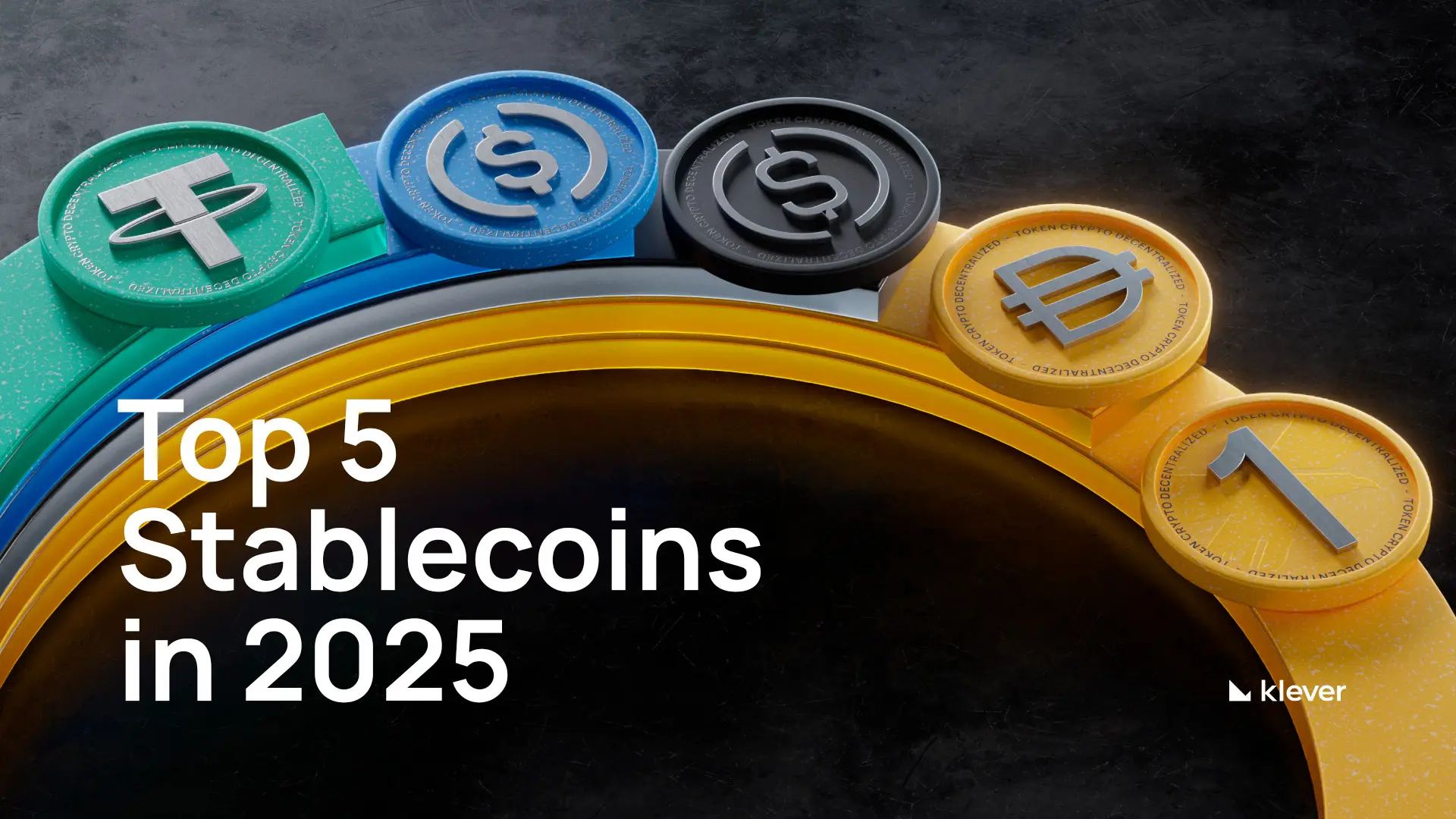
Navigating the stablecoin landscape in 2026 requires distinguishing between established issuers and emerging competitors backed by verifiable reserves. This roundup evaluates five critical assets—USDC, USDT, PYUSD, DAI, and FDUSD—prioritizing regulatory compliance and liquidity over speculative hype.
1. USDC: Circle's Regulated Dollar Standard
Circle’s USD Coin (USDC) anchors the 2026 stablecoin landscape through strict regulatory compliance and transparent reserve auditing. By holding reserves in cash and short-term U.S. Treasuries, it offers institutional-grade safety for traders and enterprises seeking a reliable digital dollar that adheres to New York banking standards.

2. Tether USDT: Highest Liquidity Volume
Tether (USDT) remains the dominant force in global crypto trading volume, providing unmatched liquidity across nearly every major exchange. Its widespread adoption makes it the default settlement layer for high-frequency traders, though users must navigate varying reserve transparency reports and jurisdictional risks associated with its issuer.

3. PayPal PYUSD: Bank-Backed Convenience
PayPal USD (PYUSD) bridges traditional finance and crypto by leveraging PayPal’s massive user base and banking partnerships. Issued by Paxos Trust Company, it offers seamless fiat on-ramps for millions of users, prioritizing ease of use and regulatory alignment over complex decentralized mechanics or high-yield opportunities.

4. MakerDAO DAI: Decentralized Algorithmic Stability
MakerDAO’s DAI maintains its peg through a decentralized network of collateralized debt positions rather than direct fiat reserves. This algorithmic approach ensures censorship resistance and transparency, appealing to users who prioritize decentralization and want a stablecoin that operates independently of traditional banking infrastructure or centralized issuers.
5. Binance FDUSD: Exchange-Integrated Yield
First Digital USD (FDUSD) is deeply integrated into the Binance ecosystem, offering users streamlined access to trading pairs and potential yield opportunities within the exchange’s infrastructure. Its design focuses on operational efficiency for active traders, though reliance on a single exchange platform introduces specific counterparty risks.

Regulatory compliance matters now
In 2026, regulatory status is the primary differentiator for the best stablecoins. What separates a durable digital dollar from a risky asset is no longer just market cap; it is legal standing. The European Union’s Markets in Crypto-Assets (MiCA) regulation and recent US executive orders have created a bifurcated market. Coins that ignore these frameworks face immediate delisting from major exchanges and freezing of bank accounts for issuers.
USDC (USD Coin) and PayPal USD (PYUSD) are leading because they have actively structured their operations to comply with these new rules. Circle publishes monthly attestations, and PYUSD benefits from PayPal’s established compliance infrastructure. This transparency is not marketing; it is a survival requirement. In contrast, stablecoins that rely on opaque reserves or operate in legal gray zones are losing institutional trust.
The risk of holding non-compliant stablecoins is now tangible. Regulators are targeting the fiat on-ramps and off-ramps that keep these coins liquid. If a stablecoin issuer cannot prove they hold sufficient high-quality liquid assets, their token can become worthless overnight. This is why USDC, USDS, and PYUSD are the safe choices for 2026—they are built for the law, not just the blockchain.



As an Amazon Associate, we may earn from qualifying purchases.
How to Choose the Right Stablecoin
Selecting a stablecoin requires matching the asset to your specific financial behavior. There is no single "best" coin; there is only the best tool for your current need. Use the framework below to decide between safety, liquidity, or ease of access.
Use USD Coin (USDC) when regulatory compliance and reserve transparency are your top concerns. Issued by Circle, USDC is widely used by institutional investors and regulated exchanges because its reserves are held in cash and short-term U.S. Treasuries. It is the safest choice for holding significant value or interacting with DeFi protocols that require strict KYC/AML adherence.
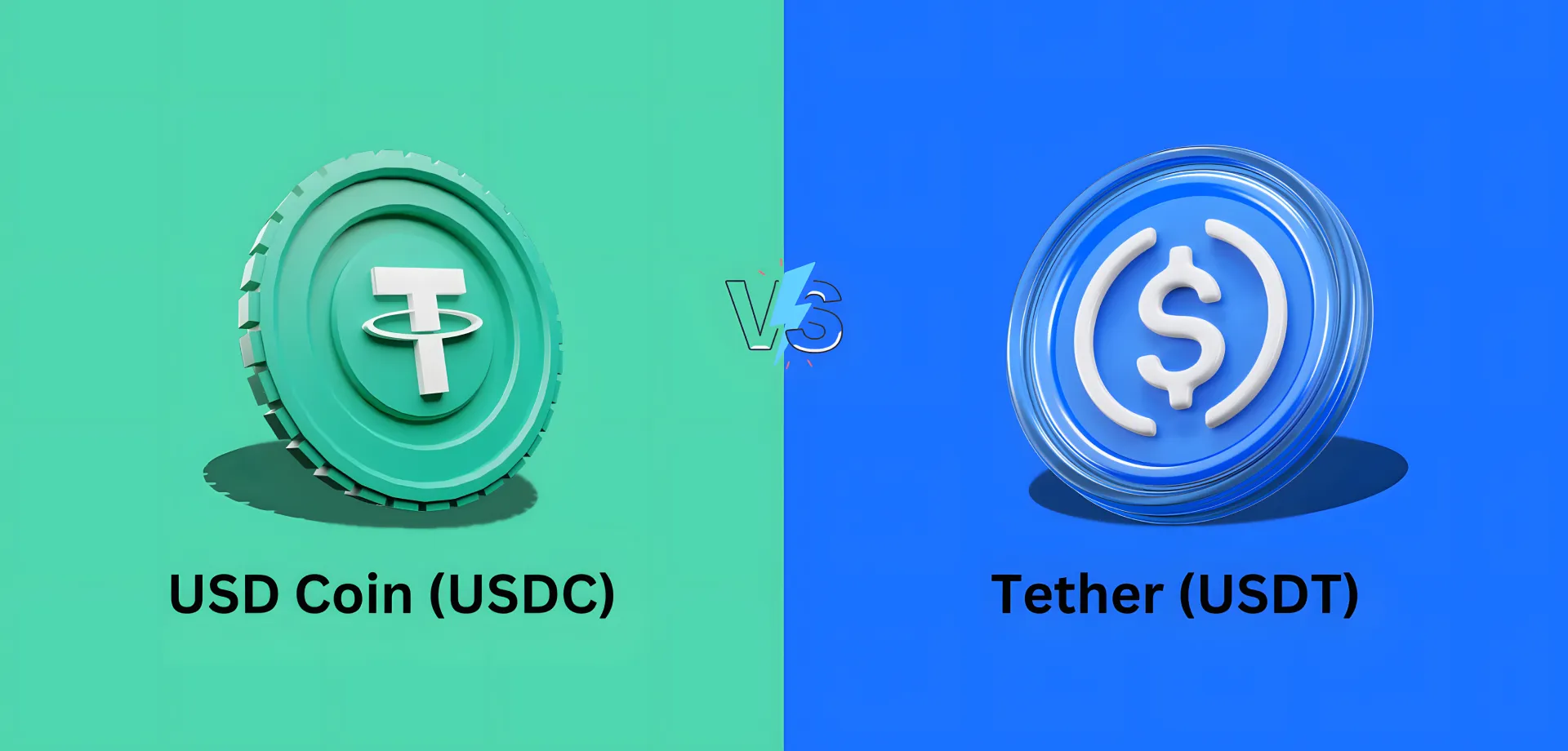
Choose Tether (USDT) when speed and deep market liquidity are essential. As the most traded stablecoin by volume, USDT is the default pair on most centralized and decentralized exchanges. If you are actively trading or need to move large sums quickly between platforms, USDT offers the deepest order books, though it carries slightly higher regulatory scrutiny than USDC.
Select PayPal USD (PYUSD) if you want a seamless bridge between traditional banking and crypto. Backed by PayPal and held in insured deposits and short-term Treasuries, PYUSD allows users to convert fiat currency into stablecoins directly through their PayPal accounts. It is ideal for consumers who prioritize ease of use and brand familiarity over advanced trading features.
Stablecoin Risks and Safeguards
Holding stablecoins carries distinct risks, primarily de-pegging and custody failures. While USDC, USDT, PYUSD, DAI, and FDUSD aim for a $1 peg, market stress can break that tie.
Always verify reserve transparency and regulatory compliance. Rely on official issuer disclosures rather than third-party claims. Treat stablecoins as a payment rail, not a risk-free savings account.
Frequently asked: what to check next
What are the top stablecoins to invest in 2026? The leading stablecoins for 2026 are USD Coin (USDC), Tether (USDT), PayPal USD (PYUSD), Dai (DAI), and First Digital USD (FDUSD). Selection depends on your need for regulatory compliance, liquidity, or yield opportunities within regulated environments.
What is the #1 stablecoin? Tether (USDT) remains the #1 stablecoin by market capitalization and trading volume. However, USDC is often preferred for institutional use due to its transparent reserve reporting and stricter regulatory adherence.
What are the best stablecoins to buy right now? The best stablecoin depends on your immediate goal. Use USDC or PYUSD for regulated transfers and payments. Use USDT for high-volume trading liquidity. Avoid speculative assets when seeking a stable store of value.
Which crypto coin will skyrocket in 2026? Stablecoins are designed to maintain a $1.00 peg and do not appreciate in value. If you are seeking assets with significant growth potential, you should look at volatile cryptocurrencies like Bitcoin or Ethereum, not stablecoins.
Are stablecoins safe to hold? Stablecoins carry counterparty and regulatory risk. While USDC and PYUSD are issued by regulated financial entities, they are not FDIC-insured. Always verify the issuer’s reserve transparency and regulatory status before holding large amounts.
How do stablecoins differ from traditional bank accounts? Stablecoins operate on blockchain networks, enabling 24/7 global transfers with lower fees than traditional banking. However, they lack deposit insurance and consumer protections available in regulated bank accounts.
No comments yet. Be the first to share your thoughts!