
The 2026 stablecoin landscape
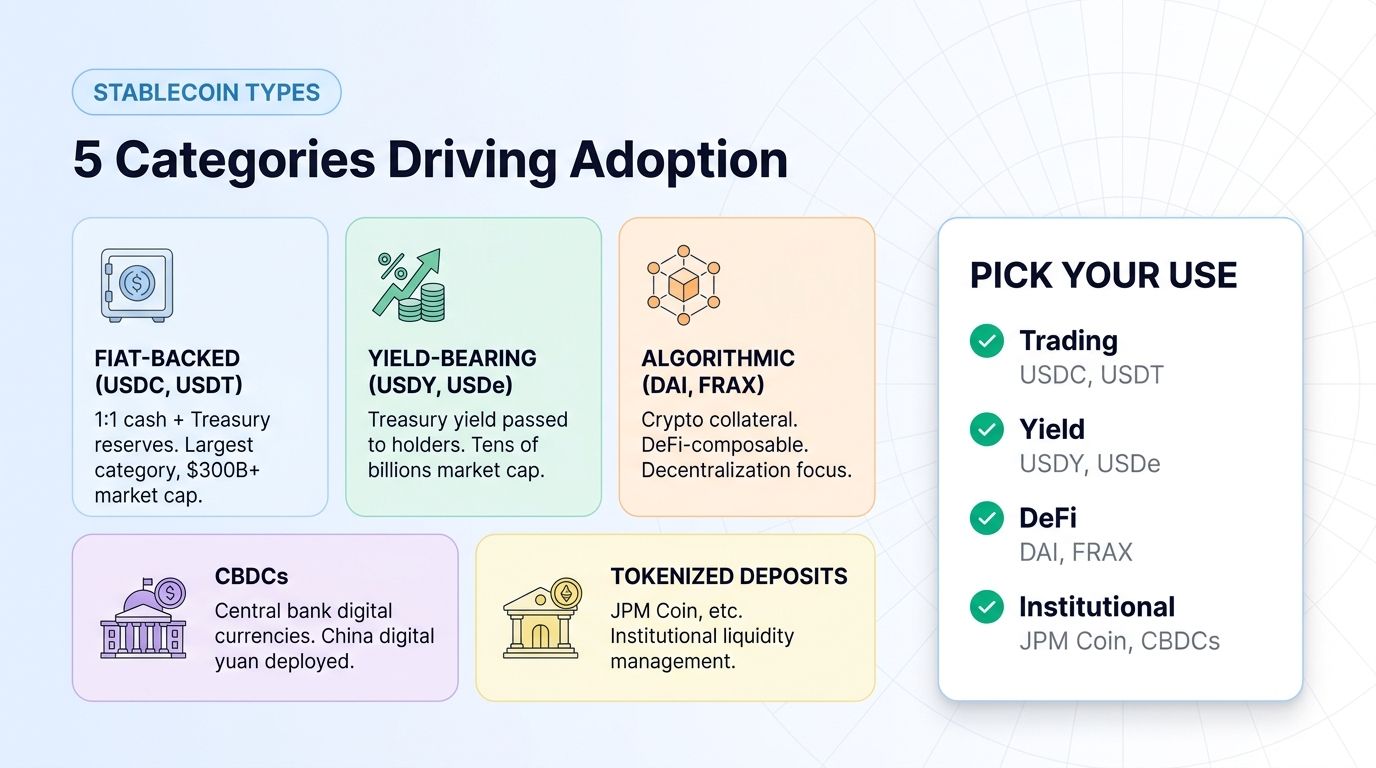
The stablecoin market has matured from a speculative frontier into a regulated financial infrastructure. In 2026, the primary differentiator is no longer just peg stability, but compliance and yield generation. Regulatory clarity has forced issuers to prioritize transparency, making USDT and USDC the dominant pillars of the ecosystem.
USDT (Tether) remains the largest stablecoin on Ethereum by circulating supply, holding approximately $58 billion as of April 2026. USDC follows as the second-largest at roughly $38 billion. Together, these two assets account for over 85% of stablecoin supply on Ethereum mainnet, establishing a duopoly that prioritizes liquidity and regulatory adherence.
Emerging players are carving out niches through innovation rather than sheer volume. PayPal USD (PYUSD) has solidified its position as the sixth-largest stablecoin, leveraging PayPal’s extensive user base and compliance framework. Meanwhile, World Liberty’s USD1 has demonstrated rapid growth since its April 2025 launch, signaling that new entrants can gain traction if they address specific yield or compliance gaps.
The rise of yield-bearing stablecoins like Ethena USDe and MakerDAO USDS (formerly DAI) reflects a shift toward utility. These assets offer returns derived from real-world assets or staking mechanisms, attracting users who previously held stablecoins idle. As the market consolidates, the focus remains on assets that balance regulatory safety with functional utility.
5 Crypto Stablecoins to Watch in 2026: Compliance & Yield
Navigating the 2026 stablecoin landscape requires prioritizing regulatory compliance and verified yield mechanisms over speculative promises. This analysis evaluates five major assets—USDT, USDC, PYUSD, and others—using official reserve data and primary source documentation to identify the most secure options for institutional and retail portfolios.
1. Tether USDT market dominance and compliance updates
Tether maintains its position as the liquidity backbone of crypto trading, despite ongoing regulatory scrutiny. Recent compliance updates aim to address reserve transparency concerns, ensuring that the largest stablecoin by market cap remains a viable tool for high-volume traders and institutional players navigating the 2026 landscape.
2. USD Coin USDC regulatory clarity and yield features
USD Coin offers unparalleled regulatory clarity, making it a preferred choice for compliant financial operations. With integrated yield features and transparent reserve reporting, USDC provides a stable, predictable environment for users seeking both security and modest returns on their dollar-backed digital assets in a regulated market.
https://cdn-web.altrady.com/stablecoins_infra_2026_body2_categories_8747c6c075.png
3. PayPal PYUSD institutional adoption and reserve transparency
PayPal’s PYUSD is rapidly gaining traction among institutional investors due to its robust reserve transparency and seamless integration with a massive user base. As 2026 progresses, PYUSD’s compliance-first approach positions it as a bridge between traditional finance and the crypto ecosystem, attracting conservative capital.
https://images.cryptodaily.co.uk/space/3l70sdpH4aepAPeEl9wi91UeNOygbEt70nRMYqj3.jpg

4. Binance USD BUSD transition and remaining utility
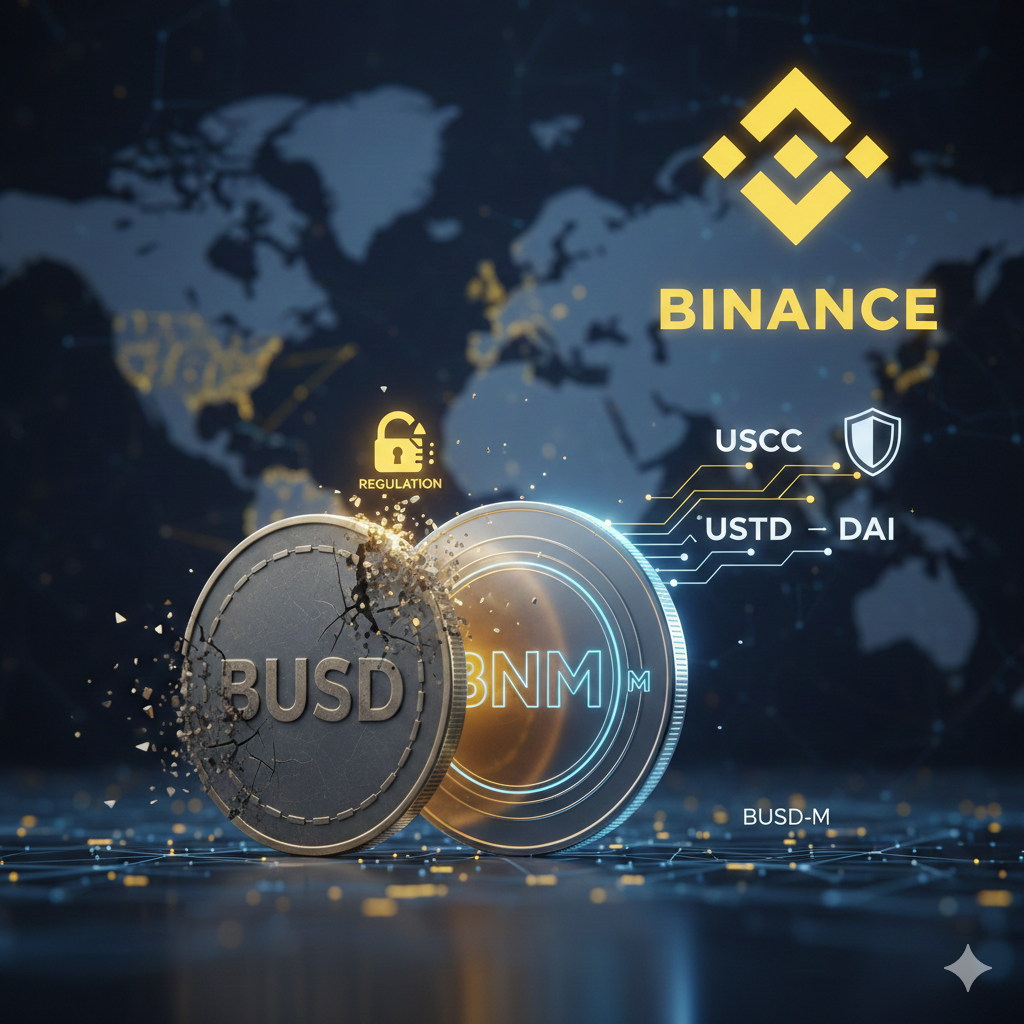
Binance USD faces a transitional phase as regulatory pressures reshape its utility. While new minting has ceased, existing BUSD holdings retain value and functionality within specific ecosystems. Users must navigate this shift carefully, considering the coin’s diminishing role in the broader stablecoin market as alternatives emerge.

5. Frax Finance FRAX hybrid algorithmic stability model
Frax Finance distinguishes itself with a hybrid algorithmic stability model, blending collateralized and algorithmic mechanisms. This innovative approach offers flexibility and resilience, appealing to users seeking diversification beyond traditional fiat-backed stablecoins. FRAX’s unique structure provides a compelling option for those interested in next-generation crypto stability solutions.

Why Regulatory Compliance Matters Most
In 2026, regulatory standing is the primary differentiator for stablecoins. While yield and speed are attractive features, they mean little if an asset faces restrictions or delistings due to legal challenges. Compliance ensures that a stablecoin remains accessible on major exchanges and usable in real-world transactions without interruption.
USDC (USD Coin) leads this category by maintaining strict adherence to US financial regulations. Issued by Circle, it undergoes regular audits and holds reserves in cash and short-term US Treasury bills. This transparency has allowed it to remain listed on virtually all regulated exchanges, making it a preferred choice for institutional investors and businesses that require clear legal footing.
PayPal USD (PYUSD) has similarly leveraged its compliance-first approach to gain traction. As the sixth-largest stablecoin globally, PYUSD operates under direct oversight from the New York State Department of Financial Services. This regulatory clarity has facilitated its integration into the broader PayPal ecosystem, allowing millions of users to convert, hold, and spend the stablecoin with confidence.
Conversely, assets lacking clear regulatory frameworks face higher risks. Even if a stablecoin offers high yields, the potential for sudden depegging or exchange bans can erase gains overnight. For long-term holders, choosing a compliant stablecoin is not just about safety—it is about ensuring the asset remains functional and liquid in the evolving crypto landscape.
| Stablecoin | Regulatory Status | Issuer |
|---|---|---|
| USDC | Fully Compliant (US) | Circle |
| PYUSD | NY DFS Regulated | PayPal |
| USDT | Mixed / Evolving | Tether |




As an Amazon Associate, we may earn from qualifying purchases.
How to generate yield from stablecoins
Stablecoins offer two distinct paths for generating returns. The first is native yield, where the stablecoin protocol itself distributes revenue to holders. The second involves lending or staking your tokens in decentralized finance (DeFi) markets. Understanding the difference is essential, as the risk profiles vary significantly between a protocol-backed payout and a smart contract-based loan.
Native yield mechanisms
Some stablecoins generate yield directly from their reserve assets. For example, Ethena USDe pays users through a combination of staking rewards and basis trading profits. This approach embeds the yield into the token’s design, meaning you earn returns simply by holding the asset in a compatible wallet. It removes the need to actively manage positions, though it introduces counterparty risk tied to the underlying hedging strategy.
DeFi lending and liquidity
Alternatively, you can lend stablecoins like USDC or USDT on lending platforms such as Aave or Compound. In this model, you supply your assets to a liquidity pool, and borrowers pay interest to use them. Yields fluctuate based on market demand. This method offers more control over where your capital is deployed but requires you to monitor gas fees and smart contract risks.
Key considerations
When choosing a strategy, look at the source of the yield. Native yield often comes from volatile crypto markets (like perpetual futures funding rates), while DeFi lending yields are driven by borrowing demand. Neither is risk-free. Smart contract exploits, regulatory changes, or reserve de-pegging can all impact your returns. Always diversify and only allocate capital you can afford to lock up.
No comments yet. Be the first to share your thoughts!