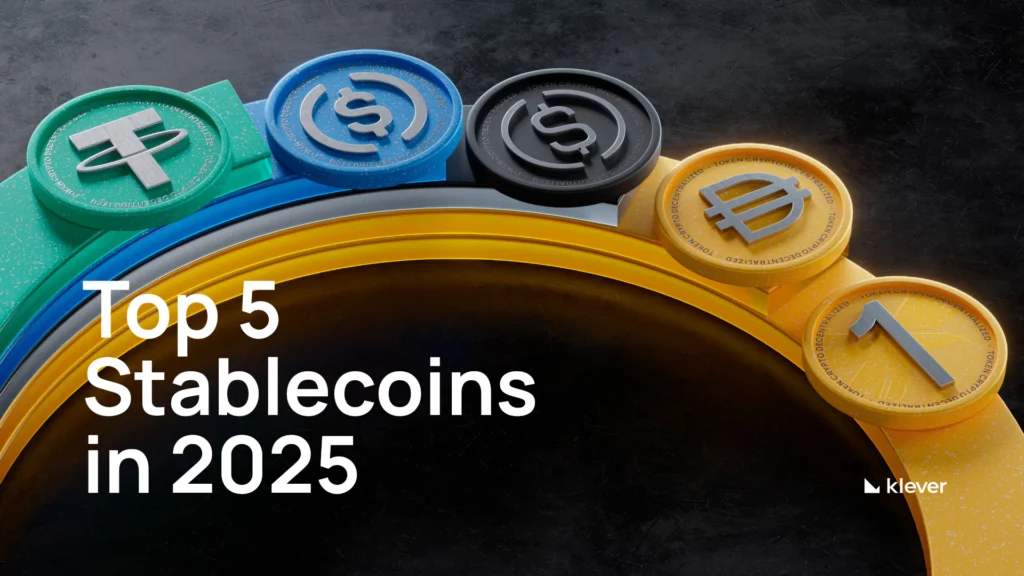
5 Stablecoins for 2026: USDC, USDT, and Real-World Asset Backing
Selecting a stablecoin in 2026 requires rigorous verification of issuer transparency and reserve composition. This section evaluates USDC, USDT, and emerging real-world asset-backed options based on primary regulatory filings and audited reserve data.
1. USDC issuer and reserve composition
Circle issues USDC, maintaining reserves primarily in short-duration U.S. Treasuries and cash. This structure aims for high liquidity and regulatory clarity, appealing to institutional users who prioritize transparency. The monthly attestation reports provide a clear view of the backing assets, ensuring that each token is supported by equivalent financial instruments.

2. USDT liquidity and audit transparency
Tether’s USDT dominates trading volume across global exchanges, offering unparalleled liquidity for traders. While historically criticized for opacity, Tether now publishes regular attestations and has begun providing more detailed reserve breakdowns. This deep market penetration makes it a critical tool for executing large trades with minimal slippage in volatile conditions.

3. Tether Gold physical asset backing
Tether Gold (XAUT) represents ownership of one troy ounce of a physical gold bar stored in Swiss vaults. Unlike fiat-pegged tokens, XAUT’s value is derived directly from precious metals, offering a hedge against inflation and currency devaluation. Each token is redeemable for physical gold, bridging traditional commodity markets with blockchain efficiency.

4. Paxos Standard regulatory compliance
Paxos Standard (PAX) is issued by Paxos Trust Company, a New York State-chartered financial services institution. This regulatory foundation ensures strict adherence to banking standards, including regular audits and compliance with anti-money laundering laws. PAX is often preferred by regulated entities seeking a compliant, USD-pegged asset for settlement and treasury management.

5. Frax Finance fractional-algorithmic model
Frax Finance utilizes a hybrid model, partially backed by collateral and partially stabilized by an algorithmic mechanism. This approach aims to balance stability with capital efficiency, allowing Frax to maintain its peg through market incentives rather than full collateralization. The protocol’s flexibility adapts to market conditions, adjusting the collateral ratio dynamically to ensure resilience.

Choosing the best stablecoins in 2026
Selecting the right stablecoin for 2026 requires looking past market capitalization alone. The landscape has shifted from rapid expansion to a phase defined by regulatory clarity and reserve transparency. Investors now prioritize issuers that can prove their backing with verifiable, real-world assets (RWA).
In previous cycles, liquidity was the primary metric. Today, the quality of the underlying collateral determines trust. Stablecoins backed by short-term U.S. Treasury bills and cash equivalents offer a more resilient foundation than those relying on complex financial instruments or unproven algorithms. This shift toward tangible assets aligns with broader financial regulations aimed at reducing systemic risk.
When evaluating options, focus on concrete details: who issues the token, where the reserves are held, and how often audits are published. Major players like USDC and USDT dominate volume, but their backing structures differ significantly. Understanding these mechanics helps you choose a stablecoin that aligns with your risk tolerance and compliance needs.
For those managing significant holdings, securing your private keys is as important as selecting the asset itself. Consider investing in dedicated hardware wallets to protect your stablecoin investments from exchange failures or online threats.
As an Amazon Associate, we may earn from qualifying purchases.
USDC vs USDT: Which fits your needs
Choosing between USDC and USDT depends on whether you prioritize regulatory transparency or maximum liquidity. While both assets track the US dollar, their underlying structures serve different risk profiles and use cases in the 2026 market.
Issuer and Regulatory Status
Circle issues USDC, a company that operates under strict US financial regulations. It undergoes regular monthly attestation reports and quarterly audits, providing a clear view of its reserve composition. This structure appeals to institutional investors and enterprises that require compliance with financial standards.
Tether issues USDT, the largest stablecoin by market capitalization. Tether operates with less public regulatory oversight compared to Circle. While it publishes periodic attestations, the frequency and depth of its audits have historically been less rigorous than USDC’s. This opacity can be a concern for users prioritizing regulatory clarity.
Reserve Composition
USDC reserves consist primarily of short-term US Treasury bills and cash equivalents. This backing ties the stablecoin directly to US government debt, offering a level of safety associated with sovereign credit. The transparency of these holdings allows users to verify the backing of their assets independently.
USDT reserves include a mix of US Treasuries, commercial paper, and other assets. Tether has moved toward holding more US Treasuries in recent years, but it still retains a portion of non-Treasury assets. This diversification can introduce different types of counterparty risk compared to USDC’s more conservative approach.
Primary Use Cases
USDC is often preferred for DeFi protocols, institutional custody, and cross-border payments where regulatory compliance is critical. Its transparency makes it a standard choice for businesses integrating stablecoin payments.
USDT dominates trading volume on many exchanges due to its deep liquidity and wide availability. Traders often use USDT for quick market entry and exit, as it is supported by more trading pairs than USDC. Its ubiquity makes it the default choice for high-frequency trading activities.
Comparison Table
| Metric | USDC | USDT |
|---|---|---|
| Issuer | Circle | Tether |
| Regulatory Focus | US Compliance | Limited Oversight |
| Reserve Type | Treasuries & Cash | Treasuries & Other Assets |
| Best For | Institutional Use | Trading Liquidity |
Security Considerations
Regardless of which stablecoin you choose, self-custody requires secure storage. Hardware wallets provide an essential layer of protection for your digital assets. Consider the following tools to safeguard your holdings:


As an Amazon Associate, we may earn from qualifying purchases.
How to store stablecoins safely
Keeping stablecoins secure requires treating them like digital cash rather than traditional bank deposits. When you leave funds on a centralized exchange, you are trusting the platform’s solvency and security protocols. If the exchange fails or is hacked, your assets may be inaccessible. Self-custody eliminates this counterparty risk by giving you direct control over your private keys.
The most reliable way to practice self-custody is using a hardware wallet. These devices store your private keys offline, making them immune to remote hacking attempts. Major wallets like Ledger and Trezor support ERC-20 stablecoins such as USDC and USDT, as well as stablecoins on other networks. When transferring funds, always verify the contract address on the official issuer’s website to avoid sending assets to a fake token.
If you must keep funds on an exchange for trading, enable two-factor authentication (2FA) using an authenticator app rather than SMS. SMS-based 2FA is vulnerable to SIM swapping attacks. Additionally, withdraw large balances to your hardware wallet immediately after trading is complete. The following hardware solutions provide the necessary security infrastructure for high-value stablecoin holdings.


As an Amazon Associate, we may earn from qualifying purchases.
Frequently asked questions about stablecoins
What is the most promising stablecoin? Based on current market capitalization and liquidity, USD Coin (USDC) and Tether (USDT) remain the dominant assets. USDC is often preferred for its transparency, as it is issued by Circle and backed by cash and short-dated U.S. Treasury bills, while USDT offers the deepest liquidity across global exchanges.
What coin will explode in 2026? Stablecoins are designed for price stability, not explosive growth. They maintain a 1:1 peg to fiat currencies like the U.S. dollar. For assets with high growth potential, investors typically look at layer-1 protocols like Solana (SOL), which has shown significant transaction volume growth and is undergoing consensus upgrades, rather than stable assets.
Are stablecoins safe to hold? Stablecoins carry different risk profiles depending on their issuer and reserve composition. USDC and USDT are backed by traditional financial assets, but they are not insured by the FDIC. Users should review the issuer’s monthly reserve reports to understand the underlying collateral, whether it is cash, Treasuries, or commercial paper.
What hardware do I need to secure stablecoins? For significant holdings, a hardware wallet is recommended to keep private keys offline. The following devices are commonly used to secure digital assets:


As an Amazon Associate, we may earn from qualifying purchases.
No comments yet. Be the first to share your thoughts!