Get global crypto stable right
Before addressing SEC compliance, you must ensure your stablecoin mechanism is fundamentally sound. Global stability relies on transparent reserve backing and consistent redemption processes, not just regulatory paperwork. If the underlying asset structure is weak, no amount of legal filing will prevent market panic or regulatory shutdown.
Start by verifying your reserve assets. International regulators, including the Financial Stability Board, have warned that large-scale stablecoins can pose threats to global financial stability if their reserves are opaque or illiquid. You need clear, auditable proof that every token in circulation is backed 1:1 by high-quality liquid assets. This means cash, short-term government bonds, or equivalent reserves that can be liquidated instantly during stress events.
Next, establish a clear redemption framework. Users must be able to exchange tokens for fiat currency at par value without undue delay or hidden fees. This operational reliability is what distinguishes a functional stablecoin from a speculative asset. Document your redemption SLAs and ensure your banking partners can support high-volume transfers.
Finally, map your jurisdictional footprint. Different regions have different definitions of "money" and "security." Identify which regulators apply to your users and structure your entity accordingly. A fragmented legal approach often leads to enforcement actions that freeze assets globally. Prioritize clarity over complexity.
How to Prepare Your Stablecoin for 2026 SEC Compliance
The 2026 SEC rules tighten the requirements for stablecoin issuers, focusing on reserve transparency and cross-border enforcement. If you are issuing or integrating stablecoins, you must verify that your reserves meet the new federal standards. Failure to do so can result in delisting from regulated exchanges or legal action. This guide walks you through the specific steps to align your operations with the new regulatory framework.
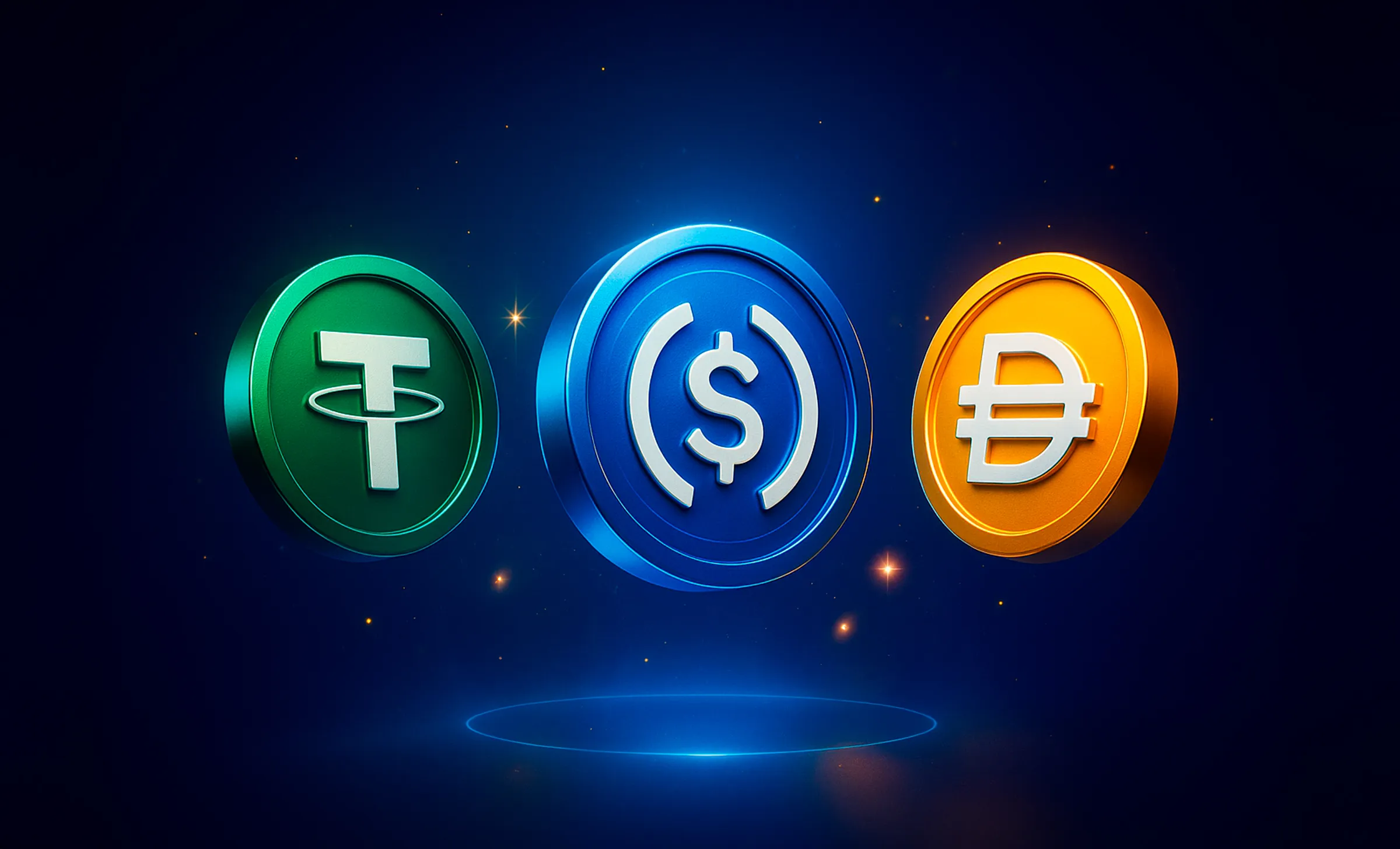
Start by auditing your reserve assets. The SEC now requires that stablecoin reserves consist primarily of cash or cash-equivalent instruments, such as short-term U.S. Treasury bills. Avoid holding significant portions of your reserves in commercial paper or private credit, as these are no longer considered safe enough under the new rules. Ensure that every unit of stablecoin in circulation is backed 1:1 by these approved assets. If your current reserves include non-compliant assets, begin a transition plan to swap them for Treasury bills immediately.
You must engage a qualified third-party auditor to verify your reserves. The SEC mandates monthly attestation reports, not just annual audits. These reports must be filed with the SEC and made publicly available within 45 days of the month’s end. Choose an auditor with experience in crypto-asset accounting, as general accounting firms may lack the specific technical expertise required for blockchain-based reserve verification. Ensure the attestation covers the full supply of your stablecoin across all jurisdictions where it is issued.

Review your smart contract code for compliance features. The new rules require that issuers have the ability to freeze assets in cases of suspected illicit activity, such as money laundering or sanctions violations. This feature must be governed by a clear, documented policy. If your current contracts lack a freeze function, you will need to deploy an upgradeable contract or a multi-signature governance module. Ensure that the governance process is transparent and that the criteria for freezing are defined in your public documentation.
If you operate globally, you must establish channels for information sharing with foreign regulators. The SEC has indicated that it will collaborate with international bodies to enforce stablecoin rules. Identify the regulatory bodies in key jurisdictions where you operate and ensure you have a legal team capable of responding to joint inquiries. Document your compliance procedures in multiple languages if necessary. This proactive approach demonstrates good faith and can mitigate penalties if issues arise in other regions.
Fix common mistakes in stablecoin compliance
Many projects launch stablecoins with solid technology but fail to meet 2026 SEC expectations because they overlook regulatory nuances. The gap between technical functionality and legal compliance often leads to delistings, frozen assets, or enforcement actions. Understanding these pitfalls before deployment is critical for global adoption.
Ignoring reserve transparency requirements
A common error is treating reserve audits as a one-time event rather than an ongoing obligation. The SEC expects real-time or near-real-time proof that stablecoins are fully backed by high-quality liquid assets. Vague reporting or delayed audits create uncertainty for users and regulators alike. Projects must publish regular, verifiable attestations from independent auditors, ensuring that every token in circulation has a corresponding dollar or cash equivalent in reserve.
Overlooking cross-border jurisdictional conflicts
Stablecoins operate globally, but regulations are local. A major mistake is assuming that compliance in one jurisdiction, such as the United States, satisfies requirements elsewhere. International regulatory bodies have warned that crypto-asset markets can pose threats to global financial stability if regulatory arbitrage is exploited. Projects must map their operations against local laws in every region they serve, ensuring that their smart contracts and legal entities align with specific national requirements.
Neglecting user identity verification
Many issuers focus heavily on token mechanics while underinvesting in Know Your Customer (KYC) and Anti-Money Laundering (AML) protocols. The SEC views weak identity verification as a significant risk for illicit finance. To avoid penalties, stablecoin providers must implement robust identity checks for large transactions and wallet interactions, ensuring that they can trace and report suspicious activities effectively.
Global crypto stable: what to check next
Regulatory uncertainty remains the primary friction point for global stablecoin adoption. As the SEC and international bodies tighten oversight, businesses and users must navigate a fragmented legal landscape. Below are the most common practical objections regarding stability, compliance, and market access.
No comments yet. Be the first to share your thoughts!