Stablecoins in 2026
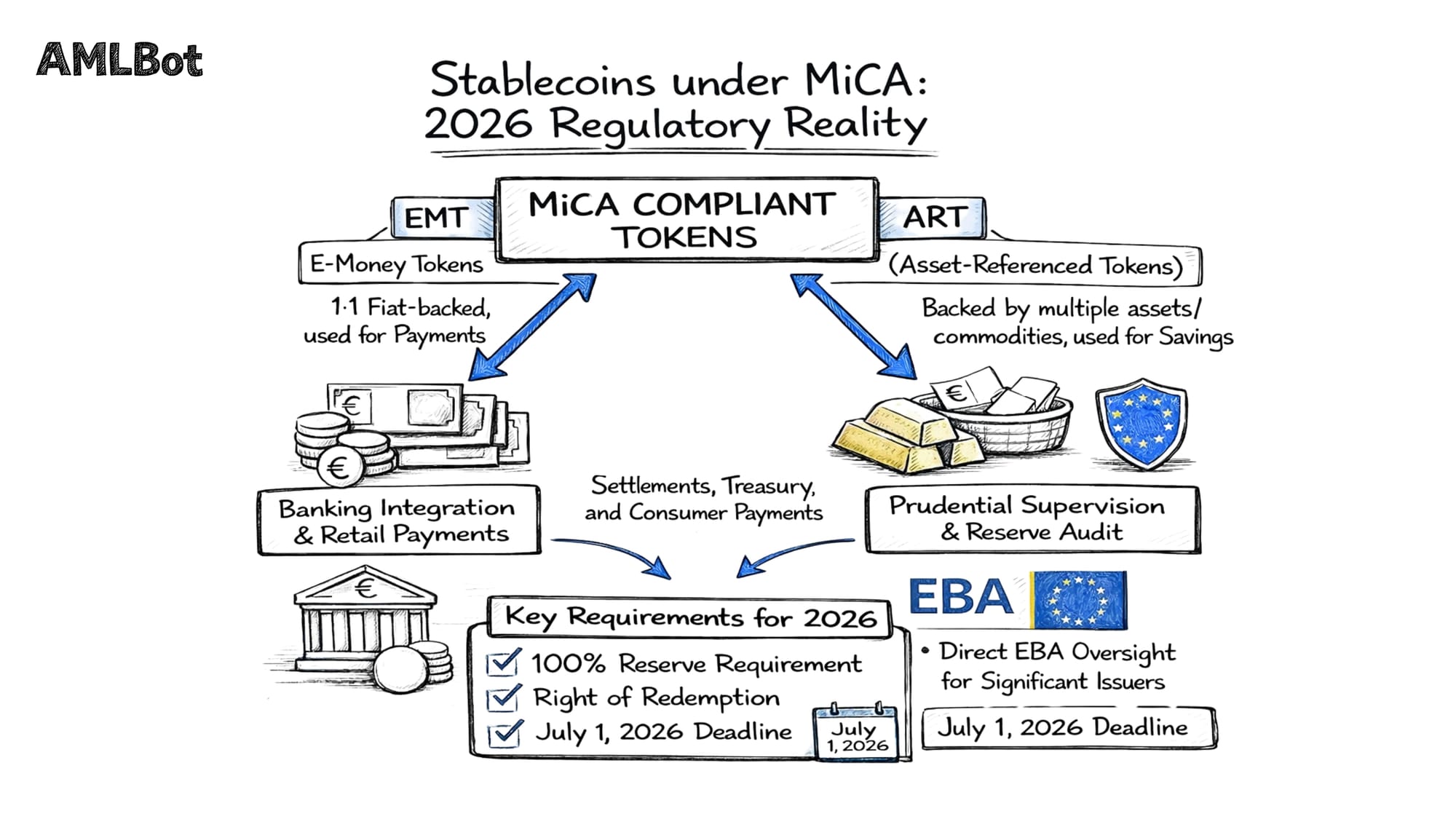
The stablecoin market has shifted from pure volume to regulatory clarity. In 2026, the most reliable assets are those backed by transparent reserves and compliant with evolving financial standards. We evaluated the top contenders based on reserve transparency, issuer reputation, and real-world utility.
Our selection prioritizes assets that offer both safety and accessibility. We focused on major issuers like Circle and PayPal, alongside emerging real-world asset (RWA) tokens that are gaining traction. Each pick in this list meets specific criteria for compliance and liquidity, ensuring you can trade with confidence.
5 Regulatory-Compliant Stablecoins for 2026: USDC, PYUSD, and RWA-Backed Assets
Navigating the 2026 stablecoin landscape requires prioritizing regulatory adherence alongside liquidity, as compliance risks directly impact asset stability. This roundup evaluates five top-tier options—including USDC, PYUSD, and emerging RWA-backed assets—based on verifiable reserve transparency and jurisdictional licensing.
1. USDC: Circle's Fully Reserved Dollar Backing
USDC remains the gold standard for regulatory clarity, with Circle maintaining strict compliance and monthly attestation reports. Its reserves consist entirely of cash and short-term U.S. Treasuries, ensuring immediate redeemability at par. This transparency makes it the preferred choice for enterprise payments and DeFi protocols requiring institutional-grade stability.

2. PYUSD: PayPal's Integrated Fiat Redemption
PayPal USD (PYUSD) leverages the massive existing user base of PayPal and Venmo, offering seamless fiat-to-crypto on-ramps. Backed by U.S. dollars and short-term Treasuries held at regulated banks, it bridges traditional finance with blockchain utility. Its integration allows millions of users to transact globally without leaving the familiar PayPal ecosystem, enhancing adoption.
3. BUIDL: BlackRock's Tokenized Treasury Bills
BlackRock’s BUIDL tokenizes real-world assets, specifically U.S. Treasury bills, bringing institutional liquidity on-chain. Unlike traditional stablecoins, it directly represents ownership in short-term government debt, offering yield potential alongside stability. This product bridges the gap between traditional money markets and decentralized finance, appealing to institutional investors seeking regulated exposure.

4. USDY: Ondo Finance's Short-Term Debt Exposure
Ondo Finance’s USDY provides exposure to short-term U.S. debt instruments, distributed as a stablecoin on Ethereum. It offers a yield-bearing alternative to traditional dollar stablecoins, appealing to users seeking passive income on idle capital. The protocol ensures regulatory compliance through careful structuring, making it a sophisticated choice for DeFi participants looking for enhanced returns.
5. GYD: Galaxy Digital's Institutional-Grade Reserves
Galaxy Digital’s GYD focuses on institutional-grade reserve management, prioritizing security and regulatory adherence for high-net-worth clients. Backed by diversified, high-quality assets, it targets professional traders and institutions requiring robust custody solutions. Its design emphasizes transparency and risk mitigation, catering to the specific needs of sophisticated market participants in the evolving crypto landscape.
Pick the right fit
Choosing a stablecoin isn't just about finding the cheapest trading fee. It's about matching the asset's regulatory structure to your specific use case. A corporate treasurer needs different assurances than a retail trader.
Start by verifying the issuer's compliance status. Look for entities that publish regular attestation reports or hold specific licenses, such as money transmission licenses in the US or e-money licenses in the EU. Regulatory clarity reduces the risk of sudden delistings or frozen assets.
Next, evaluate the reserve composition. Fully reserved stablecoins backed by cash and short-term US Treasuries offer the highest liquidity and lowest risk. Assets backed by commercial paper or private credit carry higher yield but also higher counterparty risk. For most users, simplicity and transparency win.
Finally, consider where you plan to use the asset. Some stablecoins are optimized for high-frequency trading on centralized exchanges, while others are designed for cross-border payments or DeFi integration. Ensure the stablecoin you choose is widely supported on your preferred platforms.
| Criterion | What to Look For |
|---|---|
| Regulatory License | Money transmitter or e-money licenses in key jurisdictions. |
| Reserve Transparency | Monthly or quarterly attestation reports from top-tier auditors. |
| Liquidity | High trading volume and deep order books on major exchanges. |
| Use Case Fit | Compatibility with your target platforms (CEX, DEX, payment rails). |



As an Amazon Associate, we may earn from qualifying purchases.
FAQ: Regulatory-Compliant Stablecoins for 2026
What makes a stablecoin "regulatory-compliant" in 2026?
Regulatory compliance means the issuer follows local financial laws, including Know Your Customer (KYC) and Anti-Money Laundering (AML) rules. In 2026, this typically involves holding reserves in cash or short-term U.S. Treasury bills and publishing monthly attestation reports. Assets like USDC and PYUSD are considered compliant because their issuers, Circle and PayPal, operate under established U.S. financial regulations and undergo regular third-party audits.
Is USDC safer than USDT for regulatory reasons?
Yes, USDC is generally viewed as safer from a regulatory standpoint. Circle, the issuer of USDC, has a strong track record of transparency and has actively engaged with U.S. regulators to ensure compliance. In contrast, Tether (USDT), while larger in market cap, has faced historical scrutiny and legal challenges regarding its reserve transparency and compliance practices. For users prioritizing regulatory safety over sheer liquidity, USDC is the preferred choice.
Can I use PYUSD for international transfers?
PayPal USD (PYUSD) is designed for peer-to-peer payments and merchant transactions within the PayPal ecosystem. While it can be transferred on-chain, its primary utility is tied to PayPal’s platform. For international transfers, USDC is often more versatile because it is widely accepted across decentralized finance (DeFi) protocols and centralized exchanges globally, offering better liquidity and lower friction for cross-border movements.
What happens if a compliant stablecoin loses its peg?
If a stablecoin like USDC or PYUSD loses its peg (drops below $1.00), it usually triggers a rapid response from the issuer. Regulated issuers are required to maintain full reserve backing, meaning they can redeem tokens for cash at any time. However, during times of market stress, even compliant stablecoins can experience temporary de-pegging. Users should monitor issuer announcements and reserve reports to assess the stability of their holdings during such events.
Are RWA-backed stablecoins regulated differently?
Real-World Asset (RWA)-backed stablecoins are often issued by regulated financial institutions, such as money market funds or traditional banks. These assets are subject to securities laws and banking regulations, which can make them more stable but also more complex. Unlike USDC, which is backed by cash and Treasuries, RWA-backed tokens might involve tokenized commercial paper or private credit. Users should verify the specific legal structure and custodian of any RWA-backed stablecoin before investing.
No comments yet. Be the first to share your thoughts!