5 Best Stablecoins 2026: Top 5 Picks for DeFi and Payments
In 2026, selecting a stablecoin requires prioritizing regulatory compliance and reserve transparency over speculative yield. This analysis distinguishes between fiat-backed and synthetic assets, relying exclusively on issuer attestations and official filings to mitigate high-stakes counterparty risk.
1. USDC: Circle's Regulated Fiat-Backed Reserve
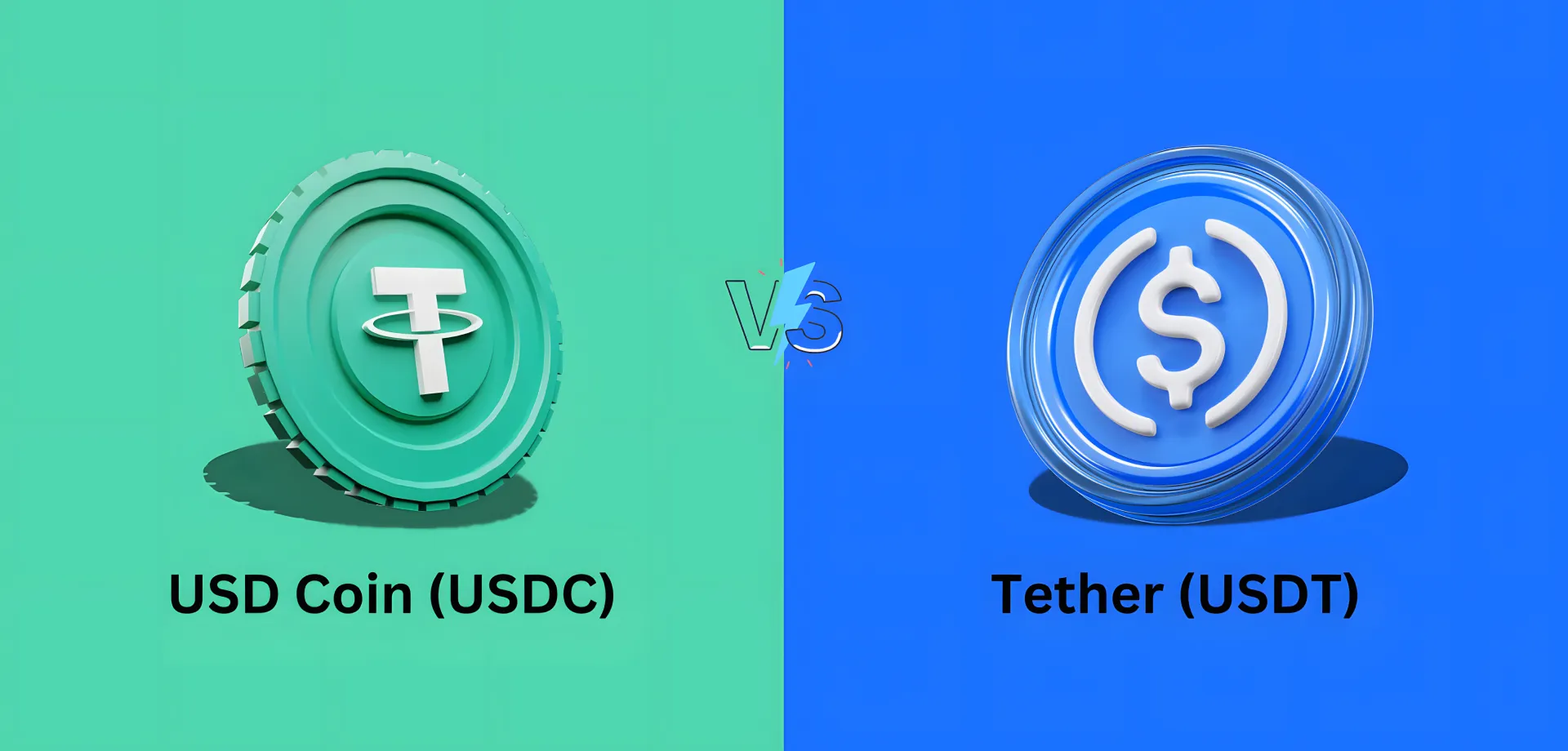
USDC stands out for its commitment to full reserve backing, where every token is supported by cash and short-dated U.S. Treasuries. Circle provides monthly attestations from independent auditors, ensuring transparency for institutional users. This structure minimizes counterparty risk, making it a foundational asset for compliant DeFi integrations and enterprise payments that require strict regulatory adherence.

2. USDT: Tether's High-Volume Liquidity and Audits
As the most liquid stablecoin, USDT dominates trading pairs across global exchanges. Tether has shifted toward regular attestations by BDO, detailing its reserve composition which includes commercial paper and cash equivalents. While its decentralized nature offers unmatched depth for traders, users must weigh this liquidity against the historical opacity of its reserve management compared to strictly regulated alternatives.

3. DAI: MakerDAO's Decentralized Crypto-Collateral Model
DAI operates without a central issuer, relying on overcollateralized crypto assets like ETH to maintain its peg. MakerDAO’s governance allows community-driven adjustments to collateral types and stability fees. This decentralized approach offers censorship resistance and transparency via on-chain data, appealing to purists who prioritize algorithmic stability and regulatory neutrality over fiat-backed reserve structures.

4. GUSD: Gemini Dollar's NYDFS Regulatory Compliance
Issued by Gemini Trust Company, GUSD is one of the first stablecoins approved under New York’s BitLicense framework. It is fully backed by U.S. dollars held in reserve accounts, with regular attestation reports available to the public. This heavy regulatory focus makes GUSD a preferred choice for financial institutions seeking a compliant, transparent payment rail within the United States.

5. PYUSD: PayPal's US-Dollar Backed Stablecoin
PayPal USD (PYUSD) brings mainstream accessibility to stablecoins, backed 1:1 by U.S. dollars and short-term Treasuries. Issued by Paxos Trust Company, it undergoes monthly attestation reviews. Its integration directly into PayPal and Venmo accounts lowers the barrier to entry for everyday users, bridging traditional finance and crypto payments with a familiar, trusted brand interface.

What makes a stablecoin safe in 2026
The stablecoin landscape has shifted from experimental algorithmic models to strictly regulated, fully reserved assets. In 2026, safety is no longer defined by code alone but by compliance and transparency. Regulatory frameworks like the EU’s Markets in Crypto-Assets (MiCA) and evolving US federal guidelines now mandate that issuers hold high-quality liquid assets—primarily cash and short-term US Treasuries—to back every token in circulation.
This regulatory pressure has forced a clear distinction between fiat-backed stablecoins and synthetic alternatives. Fiat-backed tokens like USDC and PYUSD operate with real-world bank accounts and regular attestation reports, providing a layer of accountability that algorithmic or crypto-collateralized coins lack. For enterprise payments and DeFi integration, this transparency is the primary safety metric. Users should prioritize issuers that publish monthly reserve reports audited by third-party firms, ensuring the peg is backed by tangible value rather than speculative mechanics.
While market cap indicates popularity, it does not guarantee safety. The top stablecoins by supply, such as Tether (USDT) and USD Coin (USDC), dominate because they have survived multiple market cycles with proven reserve integrity. When evaluating a stablecoin, look beyond the price peg. Verify the issuer’s regulatory status and the composition of their reserves. A stablecoin is only as safe as its backing assets and the oversight of its issuers.
For those managing stablecoin portfolios, securing your assets is as important as choosing the right token. Hardware wallets provide an offline layer of protection against exchange failures or smart contract vulnerabilities.


As an Amazon Associate, we may earn from qualifying purchases.
How stablecoins generate yield in DeFi
Stablecoins earn yield by deploying idle capital into decentralized finance protocols rather than letting them sit in a digital wallet. The mechanics vary significantly depending on whether the asset is fiat-backed or synthetic, a distinction that determines both the risk profile and the source of the return.
Fiat-backed stablecoins like USDC and USDT primarily generate yield through lending protocols. When you supply these assets to platforms like Aave or Compound, borrowers take them out for margin trading or liquidity provision. In return, you receive interest payments funded by the borrowers' borrowing costs. This model is transparent and relies on overcollateralization, but it exposes you to smart contract risk and the creditworthiness of the underlying borrowers.
Synthetic stablecoins, such as DAI or USDe, often utilize more complex strategies. These protocols may engage in delta-neutral hedging, where they hold volatile crypto assets and simultaneously short them to neutralize price exposure while earning trading fees or funding rates. While this can offer higher yields, it introduces counterparty risk and dependency on oracle accuracy. Always verify reserve attestations and regulatory filings to understand exactly where your capital is deployed.
For users prioritizing security while navigating DeFi, maintaining strict custody of your keys is essential. The following tools are recommended for securing your stablecoin holdings and education materials.


As an Amazon Associate, we may earn from qualifying purchases.
Regulatory risks to watch in 2026
The stablecoin landscape in 2026 is defined by a tightening regulatory framework that separates compliant issuers from legacy operators. In the United States, the lack of a unified federal stablecoin bill has created a patchwork of state-level banking laws and pending federal proposals. This uncertainty primarily impacts fiat-backed assets, where issuers must navigate varying reserve requirements and licensing standards depending on where their users reside. Synthetic stablecoins, which rely on algorithmic mechanisms or crypto-collateral, face even steeper hurdles as regulators scrutinize their solvency proofs more closely than traditional dollar-pegged assets.
Across the Atlantic, the European Union’s Markets in Crypto-Assets (MiCA) regulation is fully operational. MiCA imposes strict transparency mandates on stablecoin issuers, requiring regular attestations of reserves and clear disclosure of redemption rights. For US-based issuers like Circle (USDC) or PayPal (PYUSD), entering the EU market now requires full MiCA compliance, including the establishment of an EU-based legal entity. This regulatory divergence means that a stablecoin’s viability often depends on its ability to satisfy both US banking standards and EU digital asset laws simultaneously.
For users and businesses, this regulatory shift underscores the importance of reserve transparency. Issuers that provide monthly, third-party attested reports of their reserves are better positioned to withstand regulatory scrutiny and maintain user trust during market volatility. Conversely, assets with opaque reserve structures face higher risks of de-pegging or operational shutdowns as enforcement actions increase.
Secure Your Assets
Given the regulatory complexities and counterparty risks inherent in centralized stablecoins, securing your holdings is essential. Hardware wallets provide an offline storage solution that protects your assets from online threats and exchange failures.


As an Amazon Associate, we may earn from qualifying purchases.
Frequently asked questions about stablecoins
What is the top stablecoin in 2026?
Tether (USDT) remains the largest stablecoin on Ethereum by circulating supply, holding approximately $58 billion as of April 2026. USDC follows in second place with roughly $38 billion. Together, these two fiat-backed assets account for over 85% of the stablecoin supply on Ethereum mainnet, establishing them as the primary liquidity sources for payments and DeFi. DAI, USDe, and USDS trail in the $3–6 billion range each.
Are stablecoins safe for daily payments?
Safety depends on the reserve structure. Fiat-backed stablecoins like USDT and USDC are pegged to dollars held in regulated bank accounts and short-term government treasuries, offering transparency through regular attestation reports. Synthetic stablecoins, by contrast, use algorithmic mechanisms or crypto collateral, introducing smart contract and de-pegging risks. For high-value transactions, always verify the issuer’s compliance filings rather than relying on marketing claims.
Do I need special hardware to hold stablecoins?
Because stablecoins are digital assets, storing them on centralized exchanges carries counterparty risk. Using a hardware wallet ensures you control the private keys, protecting your funds from exchange hacks or insolvency. Secure storage is a standard practice for anyone holding significant value in digital assets.


As an Amazon Associate, we may earn from qualifying purchases.
No comments yet. Be the first to share your thoughts!