Stablecoins 2026: How We Picked the Top 5
Stablecoins remain the bedrock of crypto liquidity, but the landscape in 2026 favors transparency and regulatory compliance over sheer market cap alone. We evaluated the top contenders based on reserve audit quality, on-chain transparency, and real-world utility across decentralized finance (DeFi) and cross-border payments.
Our selection process prioritized assets with verifiable reserve backing and clear legal structures. We excluded coins with opaque issuance mechanisms or those lacking recent attestation reports. The final list includes established fiat-backed tokens like USDC and Tether (USDT), alongside algorithmic and over-collateralized options like DAI that have demonstrated resilience during recent market volatility.
5 Stablecoins for 2026: USDC, DAI, and Emerging Algorithms Leading the Market
Selecting a stablecoin requires verifying reserve transparency and regulatory compliance, not just market cap. This roundup evaluates USDC, DAI, and emerging algorithmic models against 2026 audit standards to identify the most reliable options for your portfolio.
1. USDC: Regulatory Compliance and Reserve Transparency
USDC stands out for its strict adherence to regulatory standards, making it a preferred choice for institutional investors and businesses requiring auditability. Circle maintains fully reserved, high-quality liquid assets, providing a layer of trust often missing in the broader crypto market. This focus on compliance ensures stability during periods of market volatility.

2. DAI: Decentralized Governance and Multi-Collateral Structure
DAI operates without a central issuer, relying instead on a decentralized network of collateralized debt positions. Its multi-collateral design allows users to back the stablecoin with various crypto assets, reducing single-point failure risks. MakerDAO governance ensures that parameters adapt to market conditions, offering a resilient alternative to centralized alternatives.

3. Tether USDT: Market Dominance and Liquidity Depth
Despite controversies, USDT remains the most liquid stablecoin, dominating trading pairs across global exchanges. Its deep liquidity facilitates large-scale transactions with minimal slippage, making it indispensable for traders and arbitrageurs. While reserve transparency has improved, its primary value lies in its ubiquitous acceptance and immediate convertibility across platforms.
4. Frax Finance: Hybrid Algorithmic and Collateral Model
Frax introduces a unique hybrid model, combining fractional-algorithmic stability with over-collateralization. This approach allows for capital efficiency while maintaining peg stability through automated market maker mechanisms. By adjusting the collateral ratio dynamically, Frax balances inflationary pressures and demand, offering a sophisticated solution for advanced DeFi users seeking yield opportunities.
5. Ethena USDe: Delta-Neutral Yield and Synthetic Peg
Ethena’s USDe generates yield through delta-neutral strategies, staking ETH and using futures to hedge exposure. This synthetic dollar offers a compelling yield proposition without relying solely on traditional reserves. By leveraging decentralized finance primitives, USDe provides a high-yield alternative for investors seeking passive income while maintaining a stable peg to the US dollar.

Pick the right fit
Choosing a stablecoin means selecting a specific tool for your wallet, not just picking a currency. The "best" option depends entirely on where you plan to use it. A coin that works for daily payments may fail for long-term savings, and vice versa.
Use this framework to match a stablecoin to your actual needs.
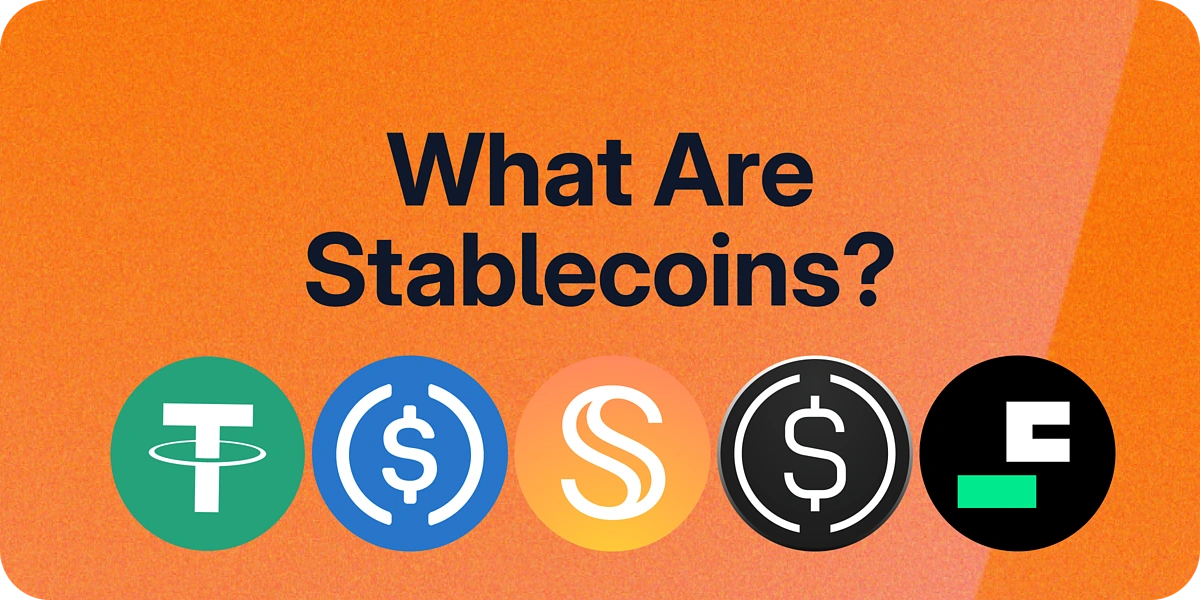
Reserve backing determines risk. Fiat-collateralized coins like USDC hold cash in regulated banks. Overcollateralized coins like DAI use crypto assets as backup. Algorithmic coins use code to maintain the peg but carry higher failure risks. For 2026, prioritize coins with transparent, audited reserves.
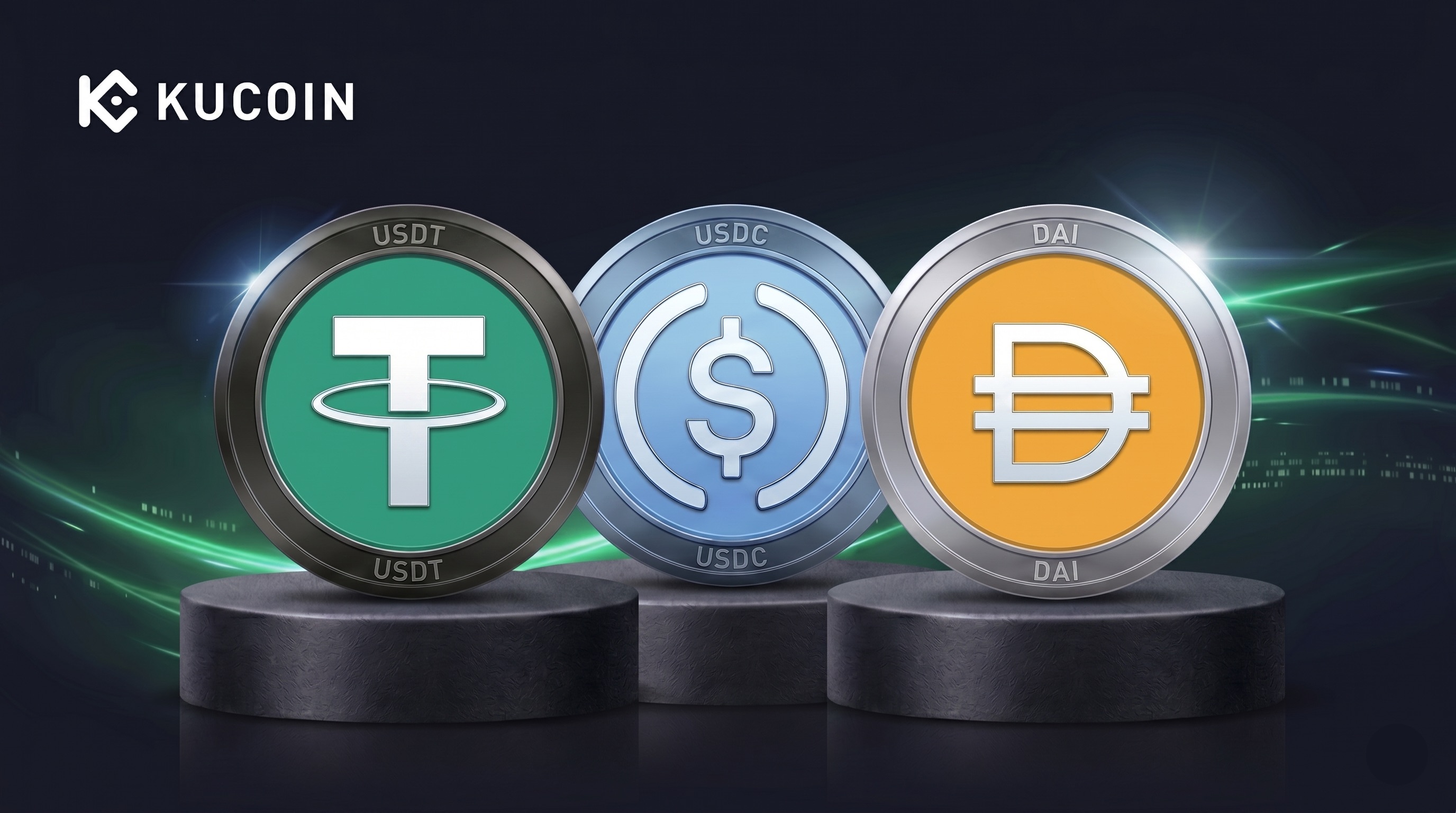
Regulatory compliance affects availability and safety. USDC is issued by a US-based company subject to strict financial regulations. Other major stablecoins operate in different jurisdictions with varying oversight levels. Choose coins that comply with the laws in your region to avoid frozen assets or exchange delistings.
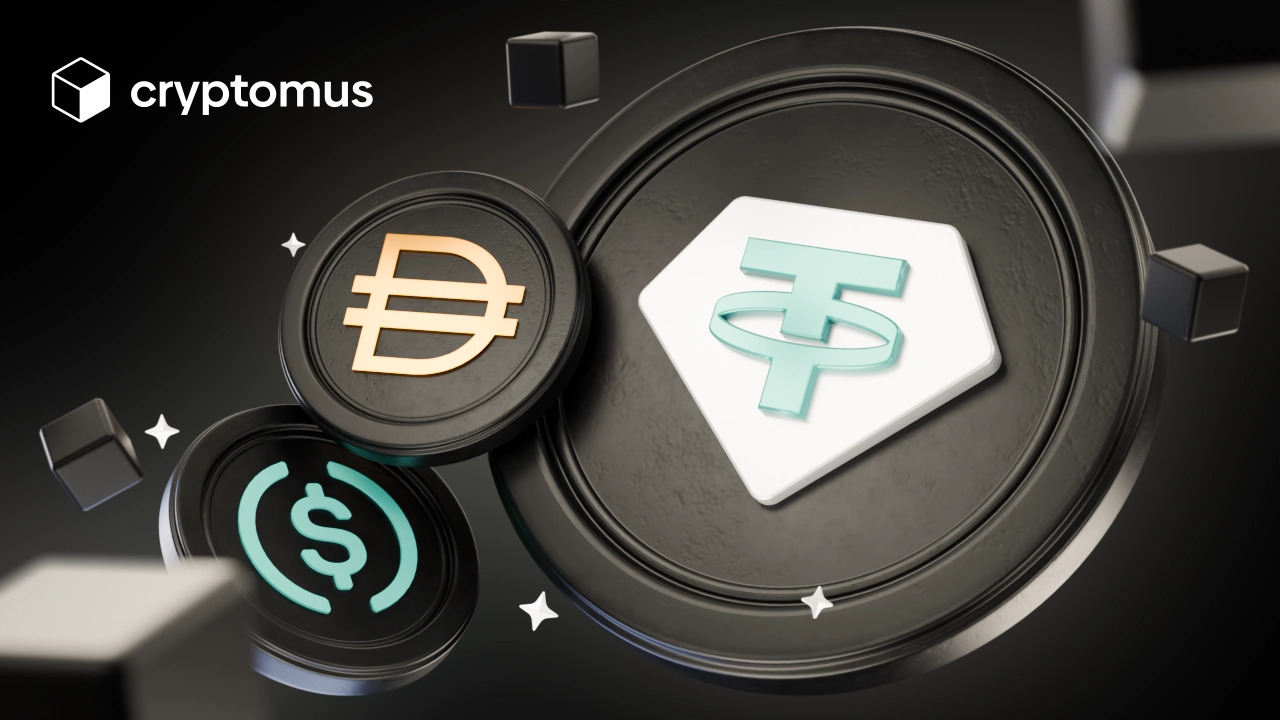
Your activity dictates the choice. For DeFi yield farming, DAI often offers better integration and lower fees. For cross-border payments or holding value, USDC provides wider exchange support. Tether (USDT) remains the most liquid for trading but carries historical transparency questions. Pick the coin that aligns with your primary goal.
| Stablecoin | Reserve Type | Best Use Case |
|---|---|---|
| USDC | Fiat-Collateralized | Safe holding, payments |
| DAI | Crypto-Overcollateralized | DeFi, yield farming |
| USDT | Fiat-Collateralized | High-volume trading |


As an Amazon Associate, we may earn from qualifying purchases.
No comments yet. Be the first to share your thoughts!