5 Stablecoins for 2026: Safety, Regulation, and Yield
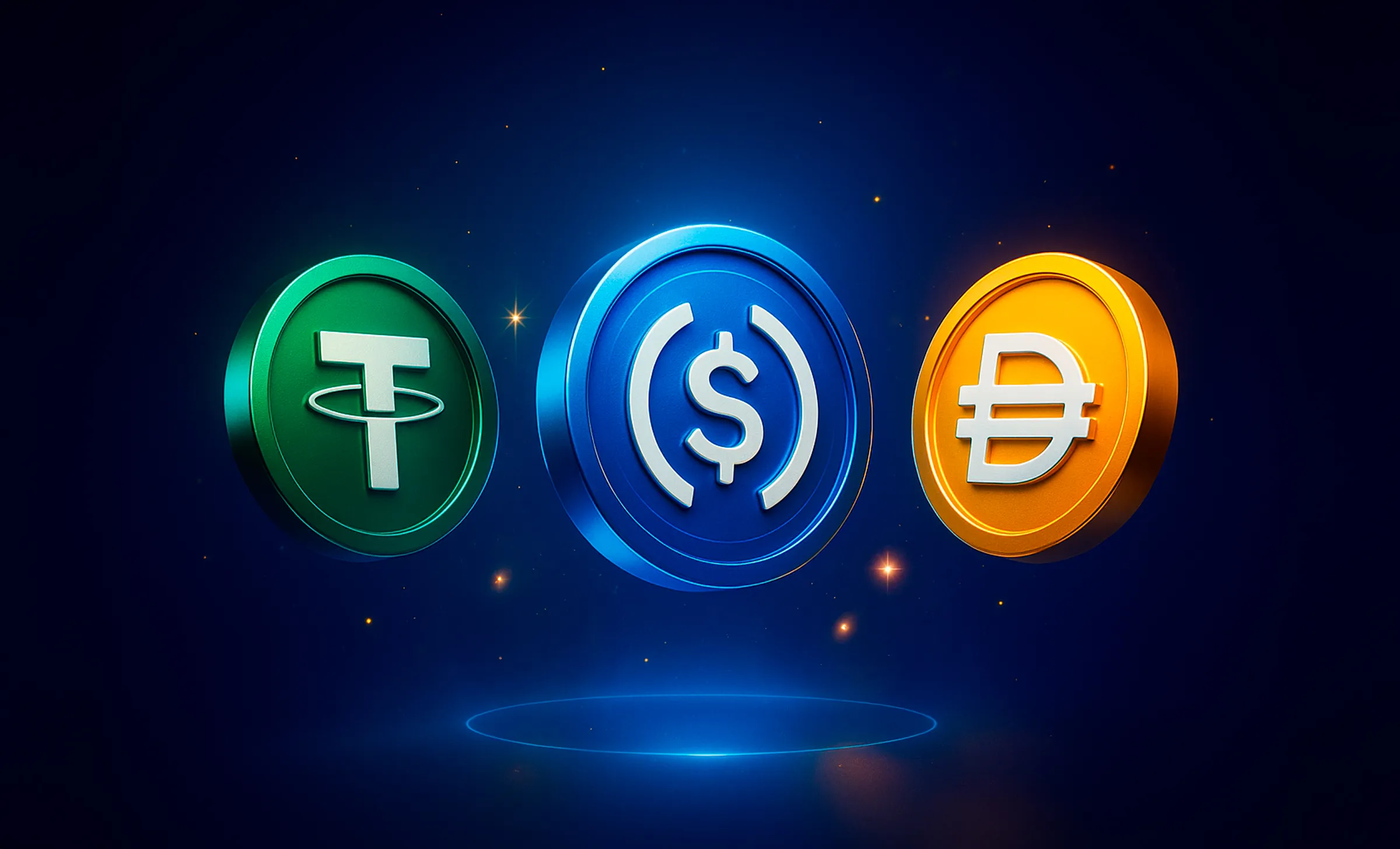
In 2026, the stability of digital assets hinges on transparent reserve audits and robust regulatory compliance rather than market sentiment. This analysis evaluates USDC, USDT, DAI, and PYUSD against primary issuer reports to identify the most structurally secure options for capital preservation.
1. USDC: Regulatory Compliance and Reserve Transparency
Circle’s USD Coin stands out for its rigorous adherence to U.S. financial regulations and monthly attestation reports from independent auditors. This structure offers institutional-grade transparency, ensuring reserves are held in short-term U.S. Treasuries and cash. It is the preferred choice for businesses prioritizing regulatory safety and clear reserve backing over speculative yield opportunities.

2. Tether (USDT): Market Liquidity and Audit History
Tether remains the dominant stablecoin by trading volume, providing unparalleled liquidity across global crypto exchanges. While its reserve composition has faced scrutiny, recent attestations aim to clarify asset backing. Traders favor USDT for its deep order books and ease of conversion, though investors should carefully review its latest quarterly reports to understand the specific nature of its collateral.

3. DAI: Decentralized Governance and Collateral Diversity
MakerDAO’s DAI operates without a central issuer, relying instead on a decentralized network of collateral types, including Ethereum and other crypto assets. This model offers resilience through diversification, though it introduces complexity regarding over-collateralization ratios. Users seeking censorship resistance and algorithmic stability often prefer DAI, accepting the trade-off of monitoring governance votes and collateral health.

4. PYUSD: Regulatory Status and Issuer Backing
PayPal’s PYUSD is backed 100% by U.S. dollar deposits and short-term U.S. Treasuries, issued by a regulated financial institution. This direct link to traditional finance provides a familiar safety net for mainstream users entering the crypto space. Its regulatory clarity and integration with PayPal’s ecosystem make it a low-friction option for everyday transactions and remittances.
5. USDP (Pax Dollar): Reserve Verification and Oversight
Paxos Trust Company issues the Pax Dollar with strict regulatory oversight as a New York-chartered financial institution. Monthly audits and public reserve attestations provide a layer of accountability often missing in decentralized alternatives. USDP is ideal for conservative investors who prioritize institutional oversight and verified reserve holdings over the broader ecosystem features of other stablecoins.

How we chose the best stablecoins
Selecting stablecoins for 2026 requires a shift in focus from market hype to structural integrity. In a high-stakes financial environment, the primary criterion is regulatory compliance. We prioritized assets that adhere to strict oversight frameworks, ensuring that the underlying business models are built on transparency rather than opacity.
Reserve transparency is the second pillar of our evaluation. We examined official reserve reports from major issuers to verify that assets like USDC and USDT are fully backed by liquid, high-quality reserves. For decentralized options like DAI, we analyzed on-chain collateralization ratios and governance mechanisms to ensure solvency during market stress. This rigorous vetting process filters out projects that lack verifiable proof of reserves.
Market liquidity completes the safety triad. A stablecoin must maintain deep order books and high trading volumes to allow for immediate entry and exit without significant slippage. We focused on coins with established liquidity pools and broad exchange support, ensuring that your capital remains accessible when you need it.
By combining these three factors—regulatory standing, reserve verification, and liquidity depth—we identified the top five stablecoins that offer the highest degree of safety for 2026.
Yield potential and transaction costs
Choosing a stablecoin requires balancing the return on idle capital against the friction of moving funds. The four leading options—USDC, USDT, DAI, and PYUSD—offer distinct profiles for yield generation and fee structures. USDC and USDT generally provide the highest yields through centralized lending or staking mechanisms, though these returns often come with counterparty risk. DAI’s yield is more decentralized, derived from the MakerDAO protocol’s stability fees and savings rate, while PYUSD offers competitive rates through its partnership with Coinbase. Transaction fees vary significantly depending on the underlying blockchain; Ethereum-based transfers are costly during peak times, whereas Layer 2 solutions or alternative chains like Solana offer near-zero fees.
The following table compares the approximate annual yield potential and average transaction costs for these assets. Note that yields are variable and depend on market conditions and the specific platform used for holding the asset.
| Asset | Est. Annual Yield | Avg. Transaction Fee | Primary Use Case |
|---|---|---|---|
| USDC | 4-5% | $0.01-$5.00 | Institutional custody |
| USDT | 3-4% | $0.01-$3.00 | High-volume trading |
| DAI | 2-4% | $0.01-$5.00 | DeFi protocols |
| PYUSD | 4-5% | $0.01-$5.00 | Consumer payments |
For users prioritizing ease of access and regulatory clarity, USDC and PYUSD are often the preferred choices despite slightly higher fees on certain networks. Traders focused on liquidity and minimal slippage may prefer USDT for its deep market depth. DAI remains the standard for those requiring censorship-resistant yields within the decentralized finance ecosystem.



As an Amazon Associate, we may earn from qualifying purchases.
No comments yet. Be the first to share your thoughts!