USD1 vs USDT in 2026
The stablecoin landscape has evolved from a duopoly into a three-way contest, with World Liberty Financial’s USD1 challenging Tether’s (USDT) dominance. While USDT remains the industry standard for liquidity, USD1 has carved out a niche by emphasizing regulatory compliance and transparency. For traders and institutions in 2026, the choice between these two assets often comes down to trust architecture rather than price stability, as both maintain their pegs with minimal deviation.
Understanding the live relationship between these tokens is essential for arbitrage and portfolio management. USD1 currently trades at a slight premium to USDT, reflecting its perceived safety and regulatory backing. This dynamic creates a nuanced environment where USDT offers unmatched liquidity, while USD1 provides a compliant alternative for regulated entities. The following analysis breaks down the key differences in market cap, transaction volume, and structural advantages to help you decide which stablecoin aligns with your risk profile.
USD1 vs USDT in 2026: The choices that change the plan
Choosing between USD1 and USDT now comes down to a clear distinction between regulatory compliance and sheer liquidity. While USDT retains the largest market share, USD1 is capturing attention by prioritizing a regulated framework that appeals to institutional and cautious retail participants. The decision largely depends on whether you value the safety of a compliant asset or the depth of the existing trading ecosystem.
Compliance and Regulatory Structure
USD1 is built on a foundation of strict regulatory adherence, positioning itself as a "redeemable dollar" stablecoin that aligns with evolving financial laws. This structure offers a layer of transparency and legal clarity that USDT, which has historically operated with less explicit regulatory visibility, does not provide. For users concerned about the potential for regulatory crackdowns or asset freezes, USD1’s compliant model offers a significant safety buffer.
USDT, by contrast, remains the dominant force in terms of volume, handling approximately 73% of retail stablecoin transactions. Its widespread adoption means it is accepted by virtually every exchange and DeFi protocol. However, this ubiquity comes with ongoing questions about reserve transparency and regulatory scrutiny. For many traders, the risk of regulatory uncertainty is outweighed by the convenience of universal acceptance.
Liquidity and Trading Costs
Liquidity is the lifeblood of any stablecoin, and USDT currently holds an unassailable advantage here. Its deep order books on major exchanges ensure that large trades can be executed with minimal slippage. This makes USDT the preferred choice for high-frequency traders and arbitrageurs who need immediate access to capital.
USD1 is still building its liquidity footprint. While it offers low trading fees starting from approximately 0.1%, its thinner order books can lead to higher slippage during volatile market conditions. The conversion rate between USD1 and USDT hovers around 1.0002, indicating a slight premium for USD1 due to its regulatory premium, but this can fluctuate based on market sentiment and available liquidity.
Yield and Ecosystem Integration
USD1 distinguishes itself by offering yield opportunities through its ecosystem, allowing users to earn points and USDT yield by trading, converting, or holding the asset. This feature is designed to incentivize adoption and provide a return on idle capital, a benefit that USDT does not natively offer within its core protocol.
USDT’s yield potential is typically derived from external lending platforms or DeFi protocols, which introduces additional smart contract and counterparty risks. USD1’s integrated yield model simplifies this process, though it ties users to a specific ecosystem. For those seeking passive income, USD1’s built-in rewards are a compelling advantage, provided they are comfortable with the platform’s specific terms.
| Feature | USDT | USD1 |
|---|---|---|
| Regulatory Status | Less transparent | Compliant |
| Market Share | ~73% of retail transactions | Growing |
| Liquidity | High | Moderate |
| Trading Fees | Standard | ~0.1% |
| Yield | External only | Integrated rewards |
How to evaluate regulated stablecoins
Choosing between USD1 and USDT requires looking beyond headline market cap. While Tether (USDT) dominates retail volume, USD1 has gained ground by positioning itself as a regulated alternative backed by World Liberty Financial. The decision framework below helps you assess which asset aligns with your risk tolerance and usage needs.
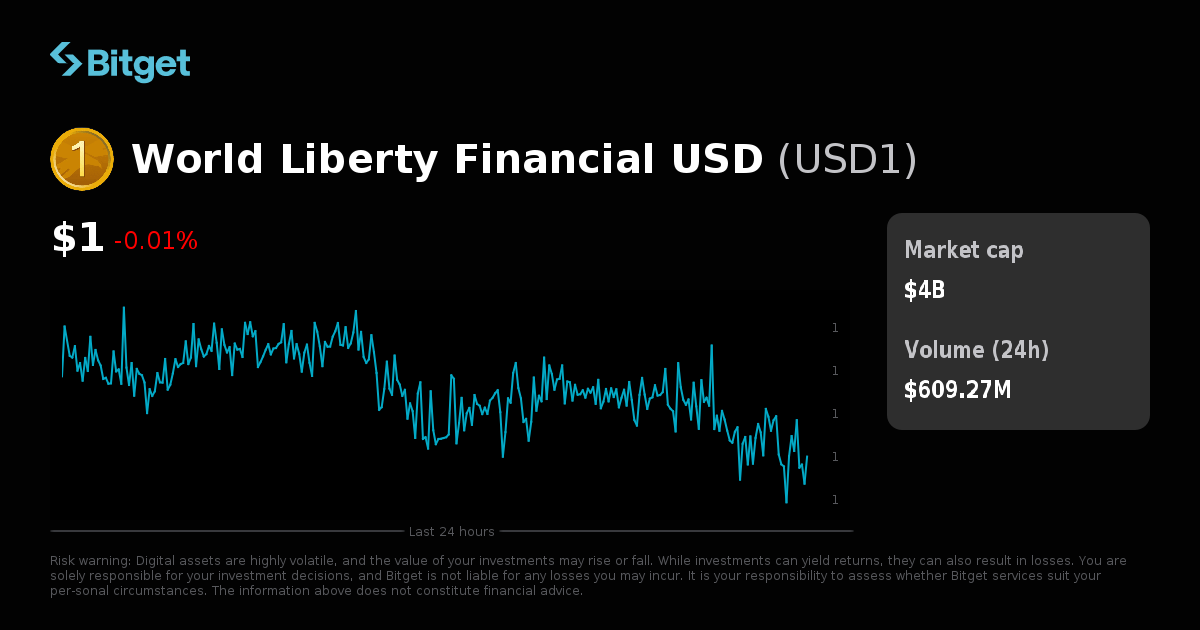
USD1 is issued by World Liberty Financial, a project tied to the Trump family, and emphasizes regulatory adherence in US markets. In contrast, USDT is issued by Tether Limited, which has faced historical scrutiny and settlement agreements with US regulators. If regulatory clarity is your primary concern, review the specific jurisdictional licenses held by the issuer. USD1’s structure is designed to appeal to users seeking a more transparent regulatory footprint, whereas USDT operates with a broader, more decentralized global presence that sometimes lacks clear local regulatory alignment.
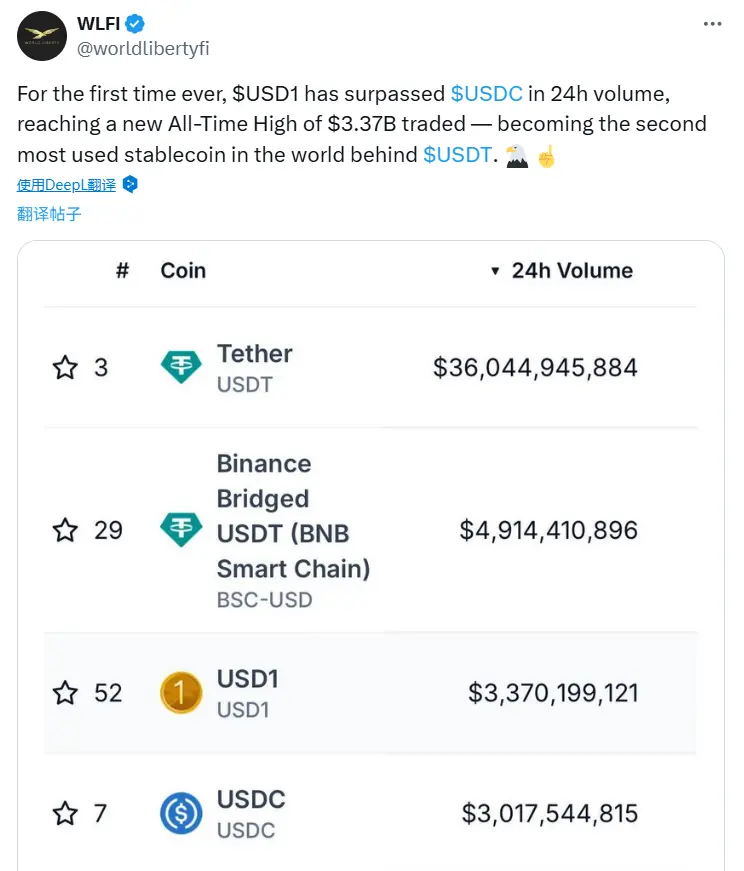
USDT remains the most liquid stablecoin, listed on virtually every exchange and supporting the highest trading volumes. This liquidity ensures tighter spreads and faster execution during volatile markets. USD1, while growing, has a smaller market cap and is primarily supported on specific platforms and exchanges that prioritize its regulated narrative. For high-frequency trading, USDT’s liquidity is unmatched. For holding or long-term storage where regulatory risk is prioritized over speed, USD1’s niche support may be sufficient.
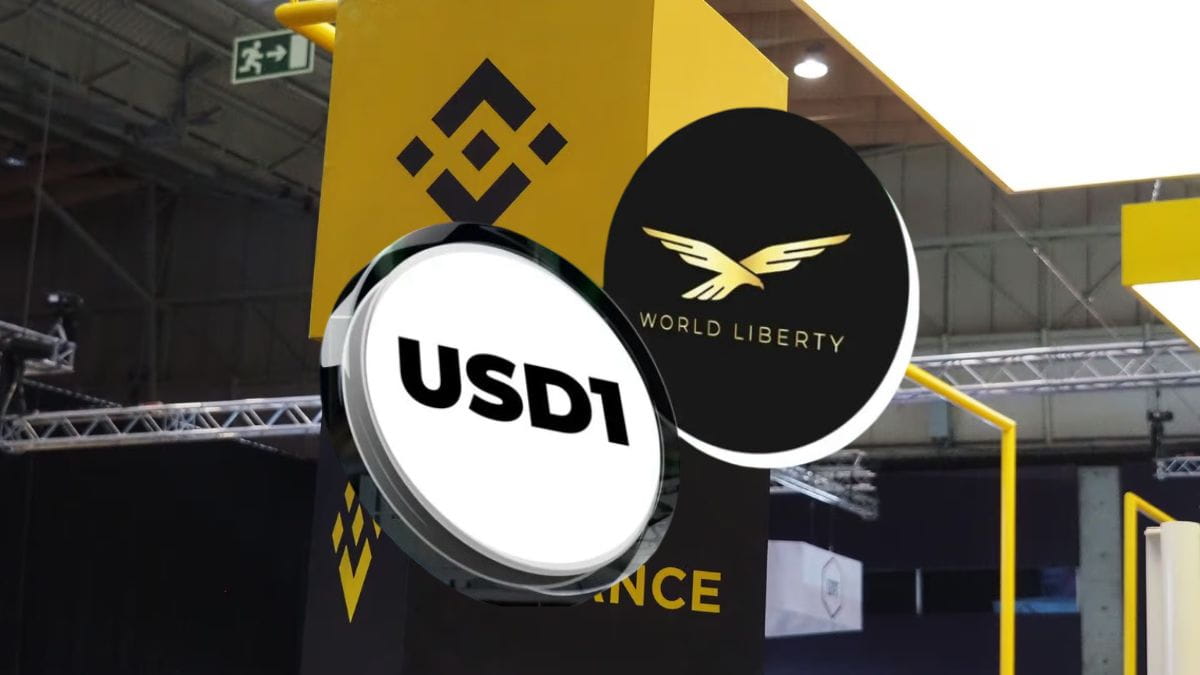
Both assets aim to maintain a $1.00 peg, but real-time conversion rates can reveal subtle market dynamics. Current data shows USD1 trading at approximately 1.0002 USDT, indicating a slight premium or tight arbitrage window. Monitor these rates over time; consistent deviation from parity can signal liquidity stress or regulatory fear. USDT’s massive depth usually keeps it within a fraction of a cent of $1, while USD1’s smaller pool may experience slightly wider fluctuations during market stress.


As an Amazon Associate, we may earn from qualifying purchases.
Why USD1 is Outperforming USDT in 2026: The Rise of Regulated Stablecoins
The weak options and misleading claims
The stablecoin market is crowded with assets that promise stability but deliver regulatory risk. When comparing USD1 to established giants like USDT, it is critical to distinguish between genuine regulatory compliance and marketing fluff. Many newer entrants rely on vague "reserve reports" that lack the transparency of official audits.
A common mistake is assuming that a higher market cap automatically equals a safer asset. USDT dominates with 73% of retail stablecoin transactions, but this liquidity comes with historical regulatory scrutiny. In contrast, USD1’s recent growth is driven by its adherence to stricter compliance frameworks, appealing to institutional users who prioritize legal certainty over sheer volume.
Be wary of claims that new stablecoins offer "superior yields" through opaque lending mechanisms. These high returns often mask underlying credit risk. The real-time conversion rate between USD1 and USDT hovers near 1.0002, reflecting market confidence in USD1's peg stability despite its smaller size. Investors should focus on the issuer's legal structure and reserve composition rather than promotional narratives.
USD1 vs USDT 2026: What to check next
Stablecoin selection in 2026 comes down to balancing regulatory safety against market liquidity. USD1 is gaining traction among users prioritizing compliance and transparent reserves, while USDT remains the dominant choice for high-volume trading due to its unmatched depth across exchanges.
Is USD1 safer than USDT in 2026?
USD1 operates under stricter regulatory frameworks, offering greater transparency regarding its reserve assets compared to USDT. While USDT has a larger market cap and broader acceptance, USD1’s compliance-first approach reduces counterparty risk for institutional and cautious retail users.
Why is USDT still more widely used?
USDT maintains a significant advantage in liquidity and exchange support. It is deeply integrated into the global crypto infrastructure, making it the default quote currency for most trading pairs. This network effect ensures faster execution and lower slippage for traders.
Can I convert USD1 to USDT easily?
Yes, converting between USD1 and USDT is straightforward on most major exchanges. The conversion rate typically hovers around 1.0002 USDT per USD1, reflecting minimal premium or discount. Users can swap these assets instantly with low fees, ensuring seamless portfolio rebalancing.
Which stablecoin should I choose?
Choose USD1 if you prioritize regulatory compliance and transparent reserves for long-term holding. Opt for USDT if you need maximum liquidity for active trading or transferring large sums across diverse platforms. Both are pegged to the dollar, but their use cases differ significantly.
No comments yet. Be the first to share your thoughts!