Stablecoins 2026: How We Chose the Winners
The stablecoin market in 2026 is defined by institutional trust rather than speculative hype. We evaluated assets based on three concrete criteria: regulatory compliance, reserve transparency, and real-world payment volume. These factors determine which coins are safe for enterprise use and which remain risky.
Our selection process prioritized assets with audited reserves and clear legal frameworks. We excluded coins with opaque backing or history of de-pegging events. The goal is to identify the five most reliable tools for payments, savings, and treasury management in the current regulatory environment.
5 Stablecoins for 2026: Why USD1 and USDC Dominate Institutional Adoption
Institutional capital demands stablecoins with verifiable reserves and regulatory clarity, making compliance as critical as price stability. This roundup evaluates five leading options for 2026, highlighting why USD1 and USDC lead in institutional adoption through transparent auditing and robust legal frameworks.
1. USDC: Circle's Regulated Reserve Transparency
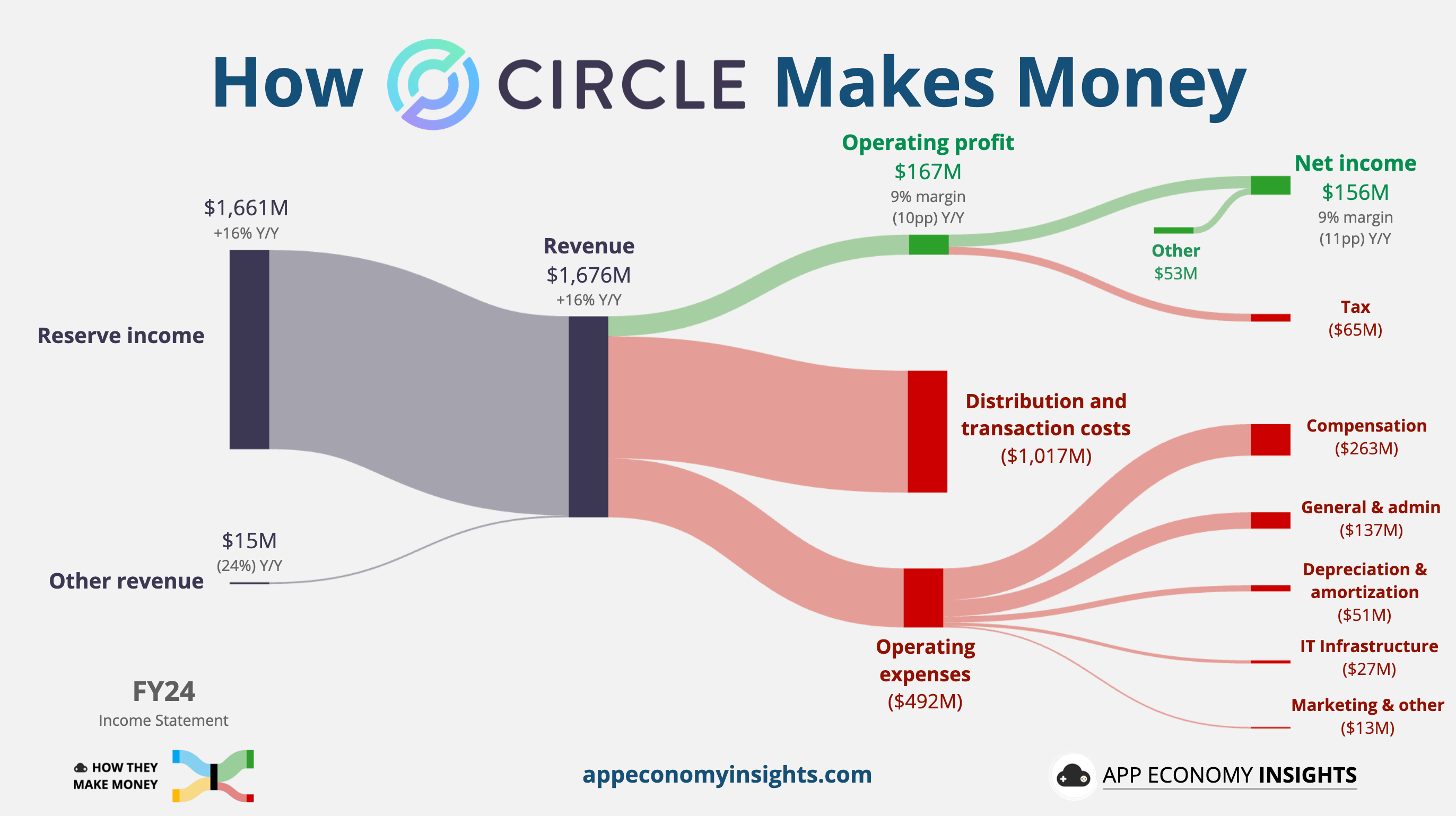
USDC stands out for its rigorous reserve audits and regulatory compliance, making it a preferred choice for institutional players seeking stability. Circle publishes monthly attestations, ensuring every token is backed by cash and short-dated U.S. Treasuries. This transparency reduces counterparty risk significantly compared to less regulated alternatives.
2. USD1: The Institutional Grade Alternative
USD1 emerges as a sophisticated option for institutions prioritizing yield and privacy within compliant frameworks. Backed by a diversified portfolio, it offers exposure to real-world assets while maintaining strict adherence to evolving financial regulations. Its architecture supports seamless integration with traditional banking rails for efficient treasury management.
3. USDT: Tether's Liquidity and Market Share
Tether (USDT) remains the dominant force in cryptocurrency trading pairs due to its unparalleled liquidity across global exchanges. Despite past controversies, its massive market cap ensures tight spreads and deep order books, crucial for high-volume institutional trades. Its ubiquity makes it the default settlement layer for many digital asset markets.

4. DAI: MakerDAO's Decentralized Collateral Model
DAI offers a unique decentralized alternative, backed by a diversified basket of crypto and real-world assets managed by MakerDAO. Its algorithmic stability mechanisms adjust interest rates dynamically to maintain the peg without central control. This model appeals to institutions seeking censorship-resistant exposure to stable value.
5. BUSD: Binance's Regulatory Compliance Status
BUSD was historically significant for its direct regulatory oversight by the New York State Department of Financial Services. Although its issuance has ceased, understanding its compliance framework provides valuable insights into institutional-grade stablecoin standards. Its legacy highlights the critical role of banking partnerships in maintaining fiat-backed stability.
How to choose the right stablecoin
Selecting a stablecoin requires matching the asset’s structure to your specific use case. While USD1 and USDC lead in institutional adoption due to their regulatory clarity and reserve transparency, other options may better serve different needs. You should evaluate three core factors: reserve composition, regulatory status, and network compatibility.
Prioritize stablecoins with monthly attestations or quarterly audits from reputable firms. USDC publishes monthly reserve reports, while USD1 has gained traction by aligning with traditional finance compliance standards. Avoid assets with opaque reserve structures or those relying solely on commercial paper, as these introduce counterparty risk.
Institutional adoption hinges on regulatory clarity. USDC is issued by Circle, a regulated financial institution, making it a preferred choice for enterprises requiring legal certainty. USD1, backed by World Liberty Financial, offers a different model but still targets institutional-grade compliance. Ensure the stablecoin issuer operates within a jurisdiction that enforces strict anti-money laundering (AML) and know-your-customer (KYC) protocols.
Choose a stablecoin that operates on the blockchain networks your workflow requires. USDC is widely available across Ethereum, Solana, and other major chains, ensuring deep liquidity and low slippage. USD1 is also expanding its multi-chain presence. Verify that your target exchange or wallet supports the asset natively to avoid bridge risks or high transaction fees.
| Feature | USDC | USD1 |
|---|---|---|
| Reserve Type | Cash & Short-Term Treasuries | Regulated Financial Assets |
| Audit Frequency | Monthly Attestations | Quarterly Audits |
| Primary Use Case | Enterprise & Payments | Institutional Settlement |


As an Amazon Associate, we may earn from qualifying purchases.
Stablecoins for 2026: Why USD1 and USDC Dominate Institutional Adoption
What are the top 5 stablecoins for 2026?
The five leading stablecoins by market capitalization and institutional usage in 2026 are Tether (USDT), USD Coin (USDC), USD1 (USDS), Dai (DAI), and PayPal USD (PYUSD). Tether remains the most widely used asset for liquidity, while USDC and USD1 have captured the bulk of enterprise and regulatory-compliant adoption. Dai offers decentralized backing, and PYUSD leverages PayPal’s massive user base for mainstream payments.
Why do institutions prefer USD1 and USDC?
Institutions prioritize USD1 and USDC because they offer higher transparency and stricter regulatory compliance than other stablecoins. USDC is issued by Circle, a regulated financial institution that publishes monthly attestations of its reserves. USD1, backed by regulated entities, provides similar auditability with a focus on enterprise-grade security. This compliance reduces legal risk for banks and payment processors, making them the preferred choice for treasury management and cross-border settlements.
Is it safe to hold stablecoins long-term?
Stablecoins are generally safer than volatile cryptocurrencies but still carry risk. The primary danger is depegging, where the coin’s value drops below $1.00 due to reserve issues or market panic. USDC and USD1 have maintained strong pegs in recent years due to their transparent reserve structures. To minimize risk, institutions diversify across multiple regulated stablecoins and monitor reserve reports regularly. Avoid holding large amounts in less transparent or algorithmic stablecoins.
Which stablecoin is best for payments?
For payments, USDC and USD1 offer the best balance of speed, cost, and acceptance. They are supported by most major exchanges, wallets, and payment processors. Tether (USDT) is also widely accepted but faces more regulatory scrutiny. For everyday consumer payments, PYUSD is gaining traction due to its integration with PayPal. Choose the stablecoin that aligns with your recipient’s preferred platform to ensure smooth transactions.
No comments yet. Be the first to share your thoughts!